
Smart bettors don’t rely on instinct, loyalty, or hype. They understand pricing, probability, timing, and psychology—while casual fans chase winners and narratives. This in-depth guide explains how experienced bettors think, why sportsbooks thrive on public bias, and how discipline, value, and context—not emotion—separate long-term winners from consistent losers.
Why Most Sports Bettors Lose—Even When They’re Right
Every year, millions of Americans place sports bets believing they have an edge. They watch games closely, follow teams passionately, and consume endless sports media. Yet despite that effort, the overwhelming majority lose money over time.
This isn’t because they don’t understand sports. It’s because sports knowledge is not the same as betting knowledge.
Sportsbooks continue to post record profits not because they predict games better than fans, but because they understand how fans think. Casual bettors act emotionally, overreact to recent outcomes, and confuse entertainment with strategy. Smart bettors operate from a completely different mental framework.
They don’t try to be right more often.
They try to be wrong less expensively—and right more profitably.
What Is the Fundamental Difference Between Smart Bettors and Casual Fans?
Casual fans approach betting like fandom with money attached. Smart bettors approach betting like a market decision.
Casual Fans Ask
- Who’s better?
- Who’s hot right now?
- Who do I believe in?
- Who do the experts like?
Smart Bettors Ask

- Is the price accurate?
- What is the true probability?
- Why is the market leaning this way?
- Where is public bias influencing the line?
This difference in questioning leads to radically different outcomes.
Why Picking Winners Is Not the Same as Winning at Betting
One of the most damaging myths in sports betting is the belief that winning bets equals skill.
A bet can win and still be terrible.
A bet can lose and still be correct.
Smart bettors judge decisions, not outcomes.
Real-World Example
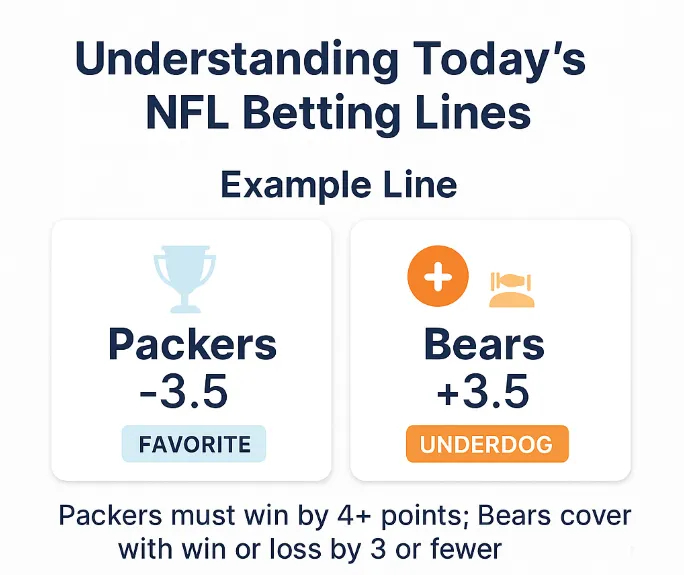
If a team is priced at -350, you are being asked to risk $350 to win $100. Even if that team wins 7 out of 10 times, that price may still be unjustifiable. Over time, those bets bleed bankrolls dry.
Smart bettors don’t ask, “Will this team win?”
They ask, “Is this price profitable over time?”
That shift alone separates amateurs from professionals.
How Sportsbooks Really Set Odds (And Why Fans Misunderstand Them)
Odds are not predictions. They are prices designed to balance money and exploit bias.
Sportsbooks account for:
- Public betting tendencies
- Media narratives
- Team popularity
- Injury perception
- Betting volume timing
Casual fans assume sportsbooks are trying to predict outcomes perfectly. In reality, sportsbooks aim to manage risk while maximizing margin.
Smart bettors understand that odds often reflect what the public believes, not what is most likely to happen.
Why Line Movement Is a Language Smart Bettors Learn to Read
One of the most important tools in a smart bettor’s arsenal is line movement.
When a line moves significantly without obvious public news, it usually indicates respected money entering the market.
What Smart Bettors Monitor
- Opening lines vs closing lines
- Sharp vs public betting splits
- Reverse line movement
- Sudden shifts without headlines
Casual fans bet when they feel ready. Smart bettors bet when the market is misaligned.
Public Bias: The Silent Force Driving Sports Betting Losses
Sportsbooks don’t need fans to be wrong—they need fans to be predictable.
Casual bettors consistently:
- Overbet favorites
- Overbet overs
- Chase recent winners
- Bet popular teams in prime-time games
Smart bettors go where the crowd doesn’t.
Classic Example
In the National Football League, nationally televised games often carry inflated lines on popular teams. The price includes emotion, not just performance.
Smart bettors don’t fade teams.
They fade pricing errors created by popularity.
Why Recent Performance Is One of the Biggest Traps in Betting
Casual fans love trends:
- Winning streaks
- Hot players
- “This team always covers”
Smart bettors treat trends with skepticism.
Recent performance is almost always priced into the odds. By the time a trend is obvious, its betting value is usually gone.
What Smart Bettors Look for Instead
- Unsustainable efficiency
- Turnover luck
- Weather- or matchup-driven anomalies
- Statistical regression signals
They understand that sportsbooks adjust faster than fan perception.
Injuries and Context: Why the Headlines Rarely Tell the Full Story
Casual fans notice injuries when stars are ruled out. Smart bettors look deeper.
They track:
- Offensive line injuries
- Secondary depth issues
- Defensive scheme mismatches
- Travel schedules and rest disparities
Practical Example
A star quarterback behind a weakened offensive line may be less effective than a backup behind a healthy one. Matchups and protection often matter more than names.
Context—not star power—drives value.
Why Smart Bettors Bet Less, Not More
This is one of the most counterintuitive truths in sports betting.
Smart bettors place fewer bets, not more.
Casual fans treat betting like daily entertainment. Smart bettors treat betting like capital allocation.
Behavioral Differences
- Smart bettors pass on most games
- Casual bettors force action
- Smart bettors track performance objectively
- Casual bettors chase losses emotionally
Restraint is boring—but profitable.
Bankroll Management: The Skill That Determines Survival
You can have excellent analysis and still fail without bankroll discipline.
Smart bettors understand variance. They plan for losing streaks. They never bet amounts that force emotional decisions.
What Smart Bettors Do
- Bet a fixed percentage per wager
- Avoid increasing stakes after losses
- Separate betting funds from personal finances
Casual bettors see bankrolls as fuel.
Smart bettors see bankrolls as oxygen.
Why Parlays Are Loved by Fans—and Loved Even More by Sportsbooks
Parlays promise excitement and massive payouts. They also dramatically increase the house edge.
Sportsbooks aggressively promote parlays because:
- Each leg compounds probability
- True odds are worse than advertised
- Emotional appeal overrides logic
Smart bettors understand that parlays feel smart—but usually aren’t.
Timing the Market: Why When You Bet Matters as Much as What You Bet
Timing is one of the most underrated edges in betting.
Smart Timing Strategies
- Early lines = softer pricing
- Late lines = sharper consensus
- Injury news creates brief inefficiencies
Casual fans bet when convenient. Smart bettors bet when information hasn’t fully settled into the line.
Media Narratives vs Market Reality
Sports media amplifies stories, not probabilities.
When everyone agrees on a narrative, sportsbooks adjust aggressively.
Smart bettors grow cautious when:
- Headlines sound unanimous
- Social media is one-sided
- A pick feels “too obvious”
Consensus usually signals inflated prices, not free money.
Why Smart Bettors Expect—and Accept—Losing Streaks
No strategy eliminates losses.
Smart bettors understand:
- Variance is unavoidable
- Short-term results are noisy
- Long-term edges take time
Casual bettors panic during losing streaks. Smart bettors stick to process.
Confidence comes from discipline, not from recent results.
What Smart Bettors Know About “Being Right”
Smart bettors don’t need validation.
They don’t celebrate loudly.
They don’t chase social proof.
They don’t care who agrees with them.
They care about:
- Beating the closing line
- Maintaining bankroll integrity
- Executing consistently
Quiet discipline beats loud confidence.
Key Principles Smart Bettors Live By
- Betting is about value, not prediction
- Emotion destroys edge
- Most games are no-bet games
- Consistency beats brilliance
- Process matters more than outcomes
Frequently Asked Questions (FAQ)
1. What separates smart bettors from casual bettors?
Smart bettors focus on pricing, probability, and discipline—not just picking winners.
2. Do smart bettors win every week?
No. They lose regularly but win over time through positive expected value.
3. Is sports betting skill-based or luck-based?
Short-term results involve luck; long-term success depends on skill and discipline.
4. Why do sportsbooks allow winning bettors?
They need liquidity but often limit or restrict consistently profitable players.
5. Are advanced statistics required to win?
No. Market awareness and bankroll management matter more than complex models.
6. Why are favorites often bad bets?
Favorites are frequently overpriced due to public bias.
7. What is closing line value?
It measures whether you beat the market—an indicator of long-term success.
8. Why do smart bettors avoid betting every game?
Because edge is rare and forcing action increases losses.
9. Are parlays ever worth betting?
Occasionally, but most favor the sportsbook heavily.
10. Can casual bettors become smart bettors?
Yes—by changing mindset, slowing down, and prioritizing discipline over excitement.
Final Thought
Smart bettors don’t see sports betting as entertainment or prediction. They see it as a market shaped by emotion, perception, and probability. While casual fans chase wins and excitement, smart bettors chase value and consistency. That single shift in perspective is what turns betting from a losing habit into a disciplined, long-term strategy.