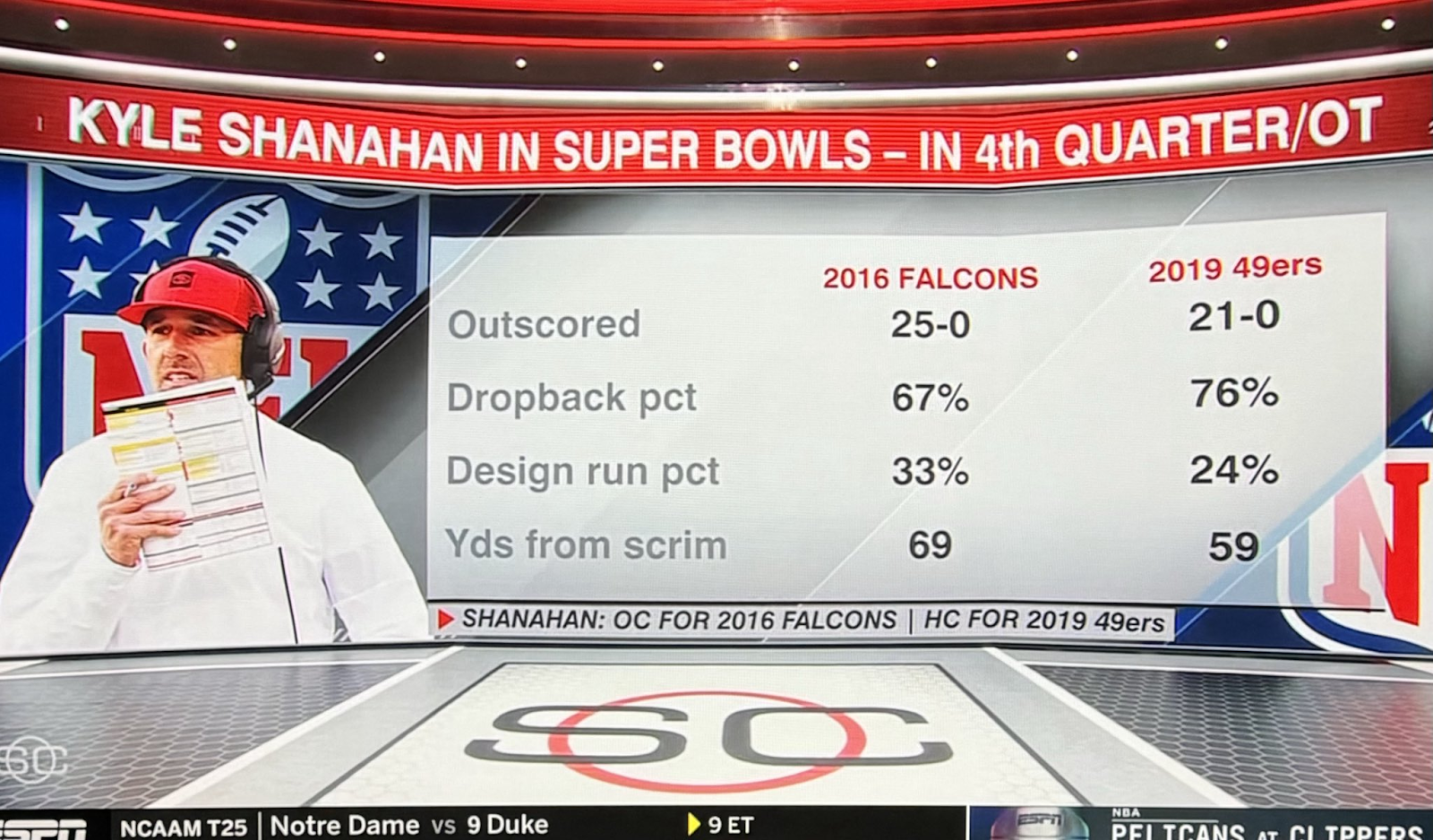
In today’s Super Bowl, championships are often decided not by star players, but by one high-pressure coaching mistake. Clock mismanagement, conservative fourth-down choices, and fear-driven decision-making now outweigh raw talent. This in-depth analysis explains why coaches are panicking, how past Super Bowls were decided by a single error, and why modern football leaves no margin for hesitation.
Introduction: Why One Decision Now Means Everything
The Super Bowl has always been football’s ultimate stage, but the game has changed in ways fans are only beginning to fully understand. In previous eras, a bad coaching call could be masked by elite defense, favorable field position, or sheer physical dominance. Today, that safety net is gone.
Faster offenses, elite quarterbacks, legalized sports betting, real-time analytics, and nonstop media coverage have turned the Super Bowl into a pressure cooker of precision. Every timeout, every punt, every fourth-down decision is dissected instantly by analysts and fans alike.
Search trends across the United States reveal a clear pattern. Fans are asking:
- What was the worst coaching decision in Super Bowl history?
- Why do coaches panic late in big games?
- Why don’t coaches trust analytics when it matters most?
At the center of this storm is the modern National Football League, where winning and losing often comes down to one irreversible moment of judgment.
What Is the “One Mistake” That Decides Super Bowls?
Despite countless hours of film study and preparation, most Super Bowls hinge on situational football, not scheme design.
The single most dangerous mistake is not calling the wrong play. It is mismanaging probability under pressure.
This usually appears as:
- Poor clock management
- Wasted or mistimed timeouts
- Conservative fourth-down decisions
- Playing “not to lose” instead of to win
In the championship game known globally as the Super Bowl, these errors are magnified because the opponent is elite and the margin for error is microscopic.
Why Clock Management Has Become the Silent Super Bowl Killer
Clock management has quietly become the most decisive factor in championship football. In an era where elite quarterbacks can score in under a minute, every second matters.
Coaches now face impossible trade-offs:
- Drain the clock or stay aggressive?
- Save timeouts or preserve flexibility?
- Trust defense or control possession?
One poor choice can swing win probability by 20–40% instantly.
Real-Life Pattern Fans Recognize
When a team:
- Runs on early downs to “burn clock”
- Lets the play clock expire unnecessarily
- Uses timeouts defensively instead of offensively
fans at home often sense disaster before it arrives. And more often than not, they are right.
Why Coaches Know the Right Decision—but Still Don’t Make It
Modern NFL teams employ analytics departments filled with PhDs and probability models. Coaches receive real-time win-probability charts during games.
So why do they still ignore them?
Because the Super Bowl is not just a football game—it is a career-defining moment.
Coaches face:
- Ownership pressure
- Media backlash
- Legacy judgment
A coach who follows analytics and fails is labeled reckless. A coach who ignores analytics and loses is called unfortunate. That imbalance pushes even elite coaches toward conservative mistakes.
The Fear Factor: Playing Not to Lose
One of the most common Super Bowl narratives is painfully familiar.
A team:
- Builds a small lead
- Shifts into conservative play-calling
- Softens defensive coverage
The intention is control. The result is usually the opposite.
Elite quarterbacks feast on passive defenses. Offenses stagnate. Momentum shifts. Suddenly, the team that looked dominant appears helpless.
This psychological shift—not talent—is where many championships die.
Timeouts: The Most Misused Weapon in Football
Timeouts are often treated as routine stoppages. In reality, they are strategic gold.
Mismanaging timeouts can:
- Eliminate late-game play options
- Force rushed decisions
- Hand tempo control to the opponent
In multiple Super Bowls, teams burned timeouts early to avoid minor penalties—only to desperately need them in the final two minutes.
Once gone, they cannot be replaced.
Fourth-Down Decisions: Where Coaches Freeze
Data is clear: teams should go for it on fourth down more often, especially near midfield or in opponent territory.
Yet Super Bowls are filled with punts that defy logic.
Why?
- Fear of being blamed
- Trusting tradition over data
- Overconfidence in defense
Against average teams, conservative decisions can survive. Against elite teams, they are punished.
Why Elite Quarterbacks Expose Coaching Errors
When facing ordinary quarterbacks, mistakes can be forgiven. When facing elite ones, mistakes become fatal.
This is why teams facing modern dynasties—such as the Kansas City Chiefs or historic runs by the New England Patriots—cannot afford to give away possessions.
One extra drive. One short field. One wasted timeout. That is often all it takes.
Media, Betting, and the New Pressure Cooker
Today’s Super Bowl coaches are not just competing against another team. They are competing against:
- Live betting markets
- Social media outrage
- Instant replay analysis
Every decision is evaluated in real time. Every mistake becomes a headline. This constant scrutiny amplifies stress and accelerates panic—even among veterans.
Why the Problem Is Getting Worse
Ironically, more information has increased fear.
Coaches now know:
- The statistically correct decision
- The emotional cost of failure
This conflict leads to hesitation. And hesitation is deadly at the Super Bowl level.
How Teams Are Trying to Prevent the Fatal Mistake
Behind closed doors, teams are adapting.
Many now:
- Pre-commit to fourth-down decisions
- Script end-of-game scenarios
- Give analytics staff direct headset access
The goal is simple: remove emotion when adrenaline peaks.
Warning Signs a Super Bowl Is About to Be Lost
Fans often sense collapse before it happens. Common indicators include:
- Burning timeouts early
- Predictable play-calling
- Punting in plus territory
- Switching to prevent defense too soon
When these signs appear, history suggests the outcome is already tilting.
Why Fans Understand the Game Better Than Ever
Modern fans are smarter. They understand:
- Win probability
- Expected points
- Situational football
This is why frustration grows when obvious mistakes occur. The audience has evolved faster than coaching culture—and that gap fuels outrage.
What This Means for the Future of the Super Bowl
The next generation of champions will not be defined solely by talent.
They will be defined by:
- Emotional discipline
- Analytical courage
- Decision-making under fire
The Super Bowl is no longer just about who plays better. It is about who decides better.
Key Takeaways for Fans
- One coaching mistake can outweigh elite performance
- Clock management is the silent killer
- Fear drives conservative losses
- Analytics matter—but only if trusted
- Understanding the system deepens appreciation
Top 10 Trending FAQs Americans Are Asking
1. What is the biggest coaching mistake in Super Bowl history?
Poor clock management and conservative late-game decisions.
2. Why don’t coaches trust analytics in the Super Bowl?
Fear of criticism outweighs probability.
3. Do timeouts really decide Super Bowls?
Yes. They directly affect end-game control.
4. Why do teams stop attacking with a lead?
Psychological shift toward risk avoidance.
5. Has analytics improved Super Bowl outcomes?
When followed consistently, yes.
6. Are coaches fired over Super Bowl mistakes?
Careers and legacies are often defined by them.
7. Does media pressure influence coaching calls?
Absolutely, especially in high-profile moments.
8. Why do elite quarterbacks punish conservative teams?
Extra possessions magnify skill gaps.
9. Is prevent defense really a problem?
Often, especially against elite passers.
10. Will coaching decisions matter more than talent going forward?
More than ever in modern football.
–xxx–
Video Link-https://www.youtube.com/watch?v=QP1JZRrKhGs