The NFL’s most hated rule change—the pass interference replay review—was created to restore fairness after a playoff disaster but instead exposed deep flaws in officiating, transparency, and league accountability. This article reveals why the rule failed, how it damaged fan trust, and what it teaches about the NFL’s ongoing struggle to balance technology, authority, and credibility.
Introduction: Why One NFL Rule Change Sparked Nationwide Outrage
Rule changes are nothing new in the National Football League. Every offseason, owners vote, coaches adapt, and fans argue. Most changes fade quietly into the background of the game. Some improve safety. Others subtly alter strategy.
But once in a generation, a rule change doesn’t just tweak football—it shakes the league’s credibility.
The pass interference replay review rule belongs in that rare category.
Introduced amid massive public pressure, media backlash, and legal threats, the rule was meant to fix a broken moment. Instead, it revealed something far more troubling: the NFL’s inability to consistently define fairness when judgment, authority, and technology collide.
Though the rule lasted just one season, its consequences still ripple through how fans view officiating today. Missed calls spark immediate cries of “Why can’t they review that?” Analysts still reference it as a failure. And the league itself prefers not to mention it at all.
This is the full, unfiltered story behind the NFL’s most hated rule change—and why it failed despite good intentions.
What Was the Pass Interference Replay Review Rule?
At its core, the rule allowed coaches to challenge pass interference calls or no-calls using instant replay. This included both offensive and defensive pass interference.
That might sound ordinary now, but at the time, it was revolutionary.
Why This Rule Was Different From Anything Before
For decades, the NFL treated penalties like pass interference as pure judgment calls. Officials made decisions in real time, and those decisions were final. Replay was reserved for objective facts—ball placement, possession, feet in bounds.
This rule crossed that line.
Suddenly, referees were being asked to:
- Re-judge intent
- Interpret contact frame by frame
- Overturn calls made seconds earlier
The NFL had never attempted that on such a scale.
Why Did the NFL Create This Rule in the First Place?
The Play That Forced the League’s Hand
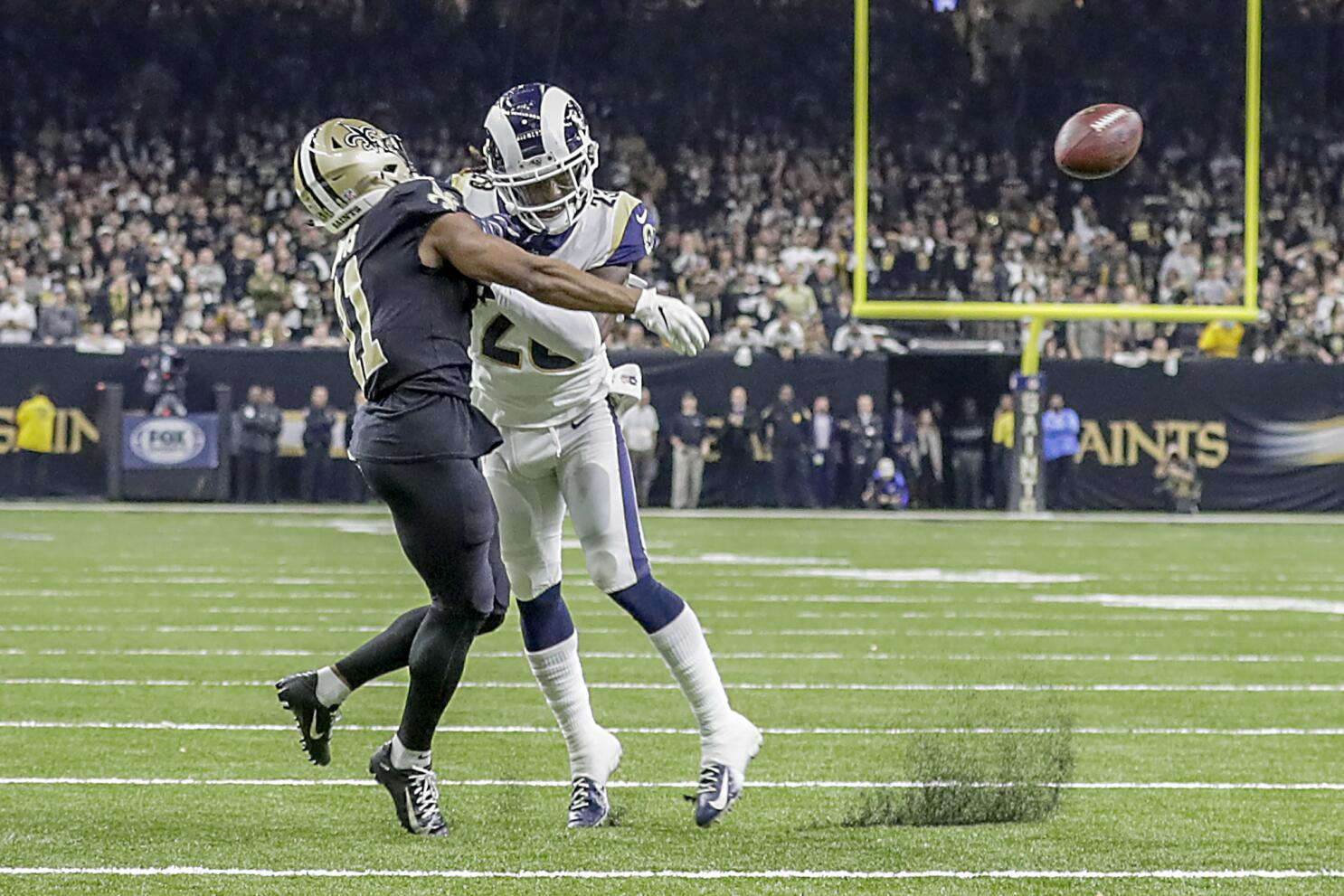
Everything traces back to one unforgettable moment in the 2018 NFC Championship Game between the New Orleans Saints and the Los Angeles Rams.
Late in the fourth quarter, with the Saints driving and the Super Bowl on the line, Rams cornerback Nickell Robey-Coleman collided early with Saints receiver Tommylee Lewis.
There was no flag.
The missed call was so obvious that even neutral fans were stunned. The Saints eventually lost in overtime. The Rams advanced to the Super Bowl. And the outrage was immediate and overwhelming.
The Fallout Was Unprecedented
- National media called it the worst missed call in NFL history
- Saints fans filed lawsuits against the league
- Politicians publicly commented on officiating
- TV ratings discussions were overshadowed by credibility concerns
Under intense pressure, the NFL did something rare: it admitted a mistake.
But acknowledgment alone wasn’t enough. Fans demanded change.
How the NFL Sold the Rule to Fans
When the rule was approved for the 2019 season, the league framed it as a limited, targeted fix—not a dramatic overhaul.
The official messaging promised:
- Only “clear and obvious” errors would be corrected
- Replay would fix egregious mistakes, not borderline contact
- The pace of the game would remain intact
On paper, it sounded reasonable. Even necessary.
In reality, the rule collapsed under its own contradictions.
What Fans Expected vs. What Actually Happened
Fans believed replay review would finally deliver justice in moments where everyone at home could see the mistake. Instead, they watched replay officials confirm calls that looked wrong even after multiple slow-motion angles.
The Expectation Gap
Fans expected:
- Obvious missed calls to be overturned
- Consistency across games
- Transparency in explanations
What they got:
- Nearly identical plays ruled differently
- Challenges denied without clear reasoning
- More confusion than clarity
According to league data from 2019, fewer than 15% of pass interference challenges were successful. That statistic alone destroyed confidence in the rule.
Real NFL Games That Exposed the Rule’s Failure
Saints vs. Texans (Week 1, 2019)
Ironically, the Saints—the team that inspired the rule—were hurt by it almost immediately.
A blatant defensive pass interference went uncorrected after review. The challenge failed. Analysts were baffled. Fans were furious.
The message was clear: the rule wouldn’t even protect the team it was created for.
Lions vs. Packers: A Familiar Story
The Detroit Lions, long plagued by officiating controversies, saw multiple challenges denied despite clear contact.
For Lions fans, this wasn’t just frustrating—it reinforced a belief that officiating errors were baked into the system and replay couldn’t fix them.
Why Officials Rarely Overturned Calls
This is where the “untold truth” begins.
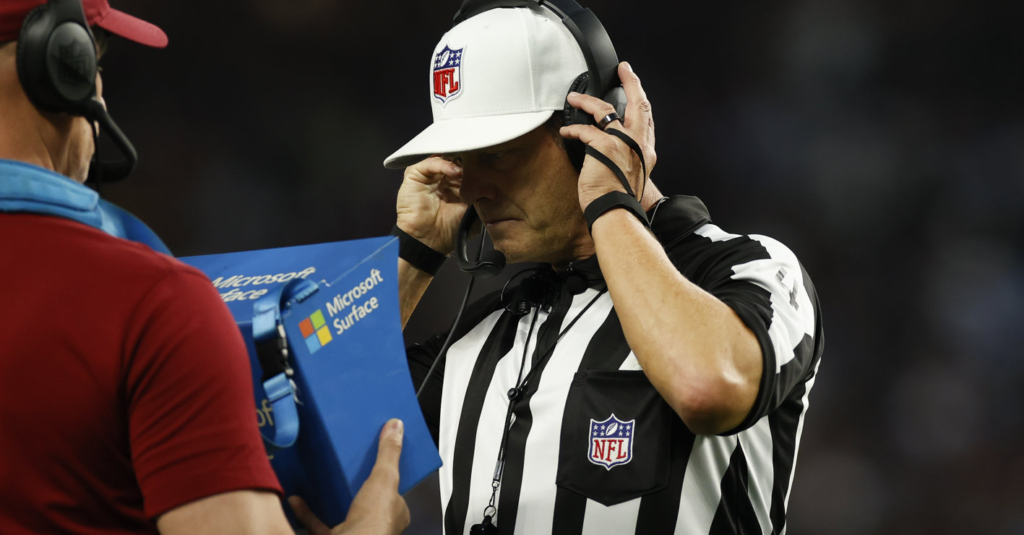
Behind the scenes, the NFL never fully empowered replay officials to overrule on-field referees. The standard for reversal was set so high that even obvious mistakes often didn’t qualify.
The Unspoken Rules
- Overturning calls too often would undermine officials’ authority
- Replay officials were encouraged to defer to the call on the field
- “Clear and obvious” was intentionally vague
As a result, replay became a formality rather than a correction tool.
How the Rule Hurt the Flow of the Game
Even when challenges failed, they still disrupted momentum.
- Long stoppages killed drives
- Fans in stadiums were left confused
- Broadcasters struggled to explain rulings
Instead of making games fairer, the rule made them feel slower and more frustrating.
Why the NFL Quietly Let the Rule Die
After the 2019 season, the NFL Competition Committee allowed the rule to expire. There was no dramatic announcement. No press conference. No deep explanation.
It simply disappeared.
Official Reason
The league stated that replay review of pass interference “did not achieve the desired consistency.”
The Real Reason
- Fans hated it
- Coaches stopped trusting it
- Officials resented it
- Media criticism never stopped
The rule had become a symbol of dysfunction rather than progress.
How This Rule Change Still Affects the NFL Today
Even without the rule, its legacy lives on.
Lasting Effects on the League
- Every missed call sparks replay debates
- Fans are more skeptical of officiating explanations
- The NFL is hesitant to review judgment calls
- Transparency is now a fan expectation
The league learned that technology alone cannot fix trust issues.
What This Rule Revealed About the NFL’s Bigger Problem
The failure of pass interference replay wasn’t about cameras or angles—it was about accountability.
Fans don’t expect perfection. They expect honesty.
When the NFL introduced a rule it wasn’t willing to fully enforce, it sent the message that protecting institutional authority mattered more than correcting mistakes.
That realization angered fans more than any single missed call ever could.
Key Takeaways for Fans and the League
What Fans Should Understand
- Officiating will always involve human judgment
- Replay cannot eliminate controversy entirely
- Transparency matters more than technology
What the NFL Must Learn
- Don’t introduce half-measures
- Clearly define standards before enforcement
- Explain decisions openly and consistently
Frequently Asked Questions (10 Trending NFL Queries)
1. What is the most hated rule change in NFL history?
Many fans consider the pass interference replay review rule the most hated due to its inconsistency and short lifespan.
2. Why did the NFL allow pass interference to be reviewed?
It was introduced after the missed call in the 2018 NFC Championship Game between the Saints and Rams.
3. When was the pass interference replay rule active?
It was used only during the 2019 NFL season.
4. How often were pass interference challenges successful?
Roughly 14–15% of challenges resulted in reversals.
5. Why did referees rarely overturn calls?
Replay officials were encouraged to defer to on-field judgment unless errors were extremely obvious.
6. Did the rule favor certain teams?
There is no evidence of bias, but inconsistent rulings created that perception among fans.
7. Could the NFL bring this rule back?
Unlikely without a major overhaul of replay authority and officiating standards.
8. Are any judgment calls reviewable today?
Only limited situations, such as scoring plays and turnovers, are reviewed.
9. How did fans react to the rule?
Fan trust declined sharply, and social media criticism was relentless throughout 2019.
10. What is the best way to fix NFL officiating?
Improved training, clearer standards, transparency, and accountability—not just more replay.
Final Verdict: Why This Rule Change Will Always Be Remembered
The pass interference replay rule didn’t fail because fans dislike fairness.
It failed because it promised accountability without delivering it.
By trying to appease outrage while protecting authority, the NFL created a rule that satisfied no one. Its quiet removal speaks volumes.
Until the league fully commits to transparency and consistency, this rule will remain a cautionary tale—proof that sometimes, the worst damage isn’t done by a missed call, but by pretending to fix it.