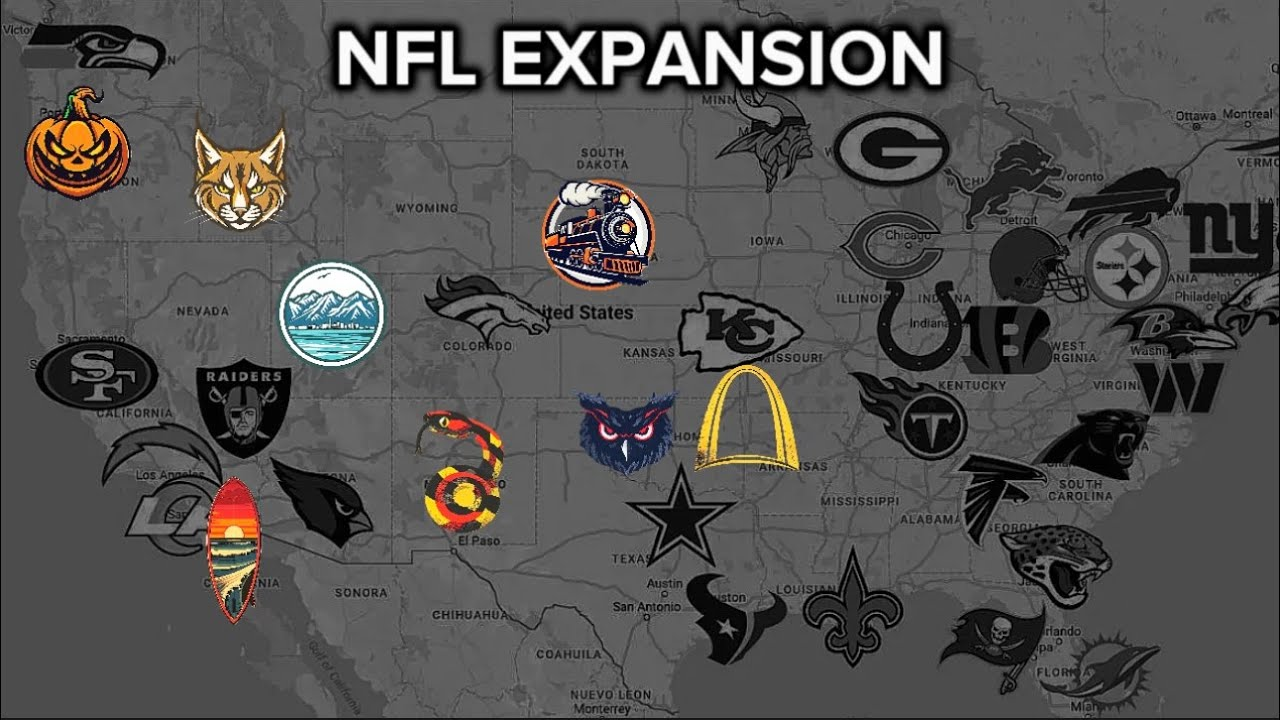
The Jacksonville Jaguars were never meant to exist. Considered too small, too risky, and financially unproven, Jacksonville was dismissed by NFL insiders during 1990s expansion talks. This is the untold story of how persistence, political unity, and strategic timing saved a franchise before its first snap—and reshaped how the NFL evaluates expansion forever.
Introduction: How an NFL Franchise Nearly Died Before It Was Born
Every NFL team has a creation story, but only one begins with near-total rejection.
Before a single jersey was sold or a kickoff ever sailed through the air, the Jacksonville Jaguars were written off by league executives, mocked by national media, and quietly dismissed by rival ownership groups. Jacksonville, Florida—a modest media market without a deep Fortune 500 presence—was never supposed to land a franchise in the world’s richest sports league.
In the early 1990s, when the National Football League announced plans to expand, the expectation was clear: big cities would win, small cities would watch.
Jacksonville wasn’t even expected to make the final conversation.
And yet, against overwhelming odds, it did more than survive—it won.
This article tells the full, untold story of the NFL team that almost didn’t exist, explaining how the Jaguars came within inches of extinction before they ever played a game, why the league nearly passed them over, and how their unlikely survival permanently changed NFL expansion logic.
Why NFL Expansion in the 1990s Was a High-Risk Power Play
To understand just how close Jacksonville came to losing everything, you have to understand what NFL expansion meant in the early 1990s.
This was not the modern era of billion-dollar franchise valuations and global branding. The league was still protecting fragile television relationships, guarding revenue sharing, and trying to avoid financial instability.
Expansion was dangerous.
What the NFL Demanded From Expansion Cities
NFL owners weren’t looking for passion alone. They wanted security.
Expansion requirements included:
- Deep-pocketed ownership groups
- Corporate sponsorship potential
- Strong regional TV appeal
- Stadium solutions ready before approval
- Political unity at the city and state level
Cities that failed even one of these benchmarks were quietly pushed aside.
Jacksonville failed several—on paper.
Why Jacksonville Was Considered an NFL Non-Starter
At the time of the bid, Jacksonville was:
- One of the smallest media markets seeking an NFL team
- Lacking a dense corporate headquarters ecosystem
- Competing against cities with NFL history
- Overshadowed by Miami and Tampa Bay
From the league’s perspective, Jacksonville looked like a gamble without upside.
How the Media Treated Jacksonville’s Bid
National coverage was brutal.
Analysts openly questioned whether Jacksonville fans could sell tickets long-term. Others predicted that if a team did arrive, it would relocate within ten years. Some outlets suggested the city was being used merely as leverage against larger markets.
Jacksonville wasn’t just doubted—it was dismissed.
The Expansion Bidding War That Jacksonville Wasn’t Supposed to Win
When the NFL formally opened expansion bids, nearly a dozen cities expressed interest. But insiders believed the race was already decided.
Two cities stood above the rest:
- St. Louis – abandoned by the Cardinals, desperate for redemption
- Baltimore – still furious over losing the Colts
Both had:
- Larger populations
- Stronger corporate backing
- Political pressure campaigns aimed at the league
Jacksonville had none of that power.
What it had instead was something the NFL didn’t expect.
The Owner Who Refused to Accept “No”
Every near-dead franchise story has a central figure. For Jacksonville, it was Wayne Weaver.
Weaver wasn’t a flashy billionaire. He wasn’t chasing ego or headlines. What he had was discipline, credibility, and an unshakable belief that Jacksonville could work.
What Wayne Weaver Did Differently
While other ownership groups fought internal battles, Weaver built consensus.
He:
- Secured unprecedented local business support
- Organized one of the largest season-ticket drives in NFL history
- Negotiated stadium renovation commitments before league approval
- Unified city leadership behind a single, clear vision
This wasn’t optimism. It was strategy.
The Stadium Crisis That Nearly Ended Everything
No issue threatened Jacksonville’s bid more than the stadium.
The Gator Bowl—Jacksonville’s primary venue—was outdated by NFL standards. League executives doubted the city’s ability to modernize it quickly or affordably.
Many believed this alone would kill the bid.
How Jacksonville Solved the Stadium Problem
In one of the most decisive moves of the expansion process, Jacksonville acted fast.
The city:
- Approved massive renovations in record time
- Secured public-private funding agreements
- Presented finalized architectural plans to the league
Other cities promised stadiums someday.
Jacksonville showed them blueprints and timelines.
That difference mattered more than market size.
The NFL Owners’ Vote That Shocked the Sports World
When NFL owners gathered to vote, expectations were crystal clear.
St. Louis and Baltimore.
Instead, the announcement stunned everyone.
The league awarded expansion franchises to:
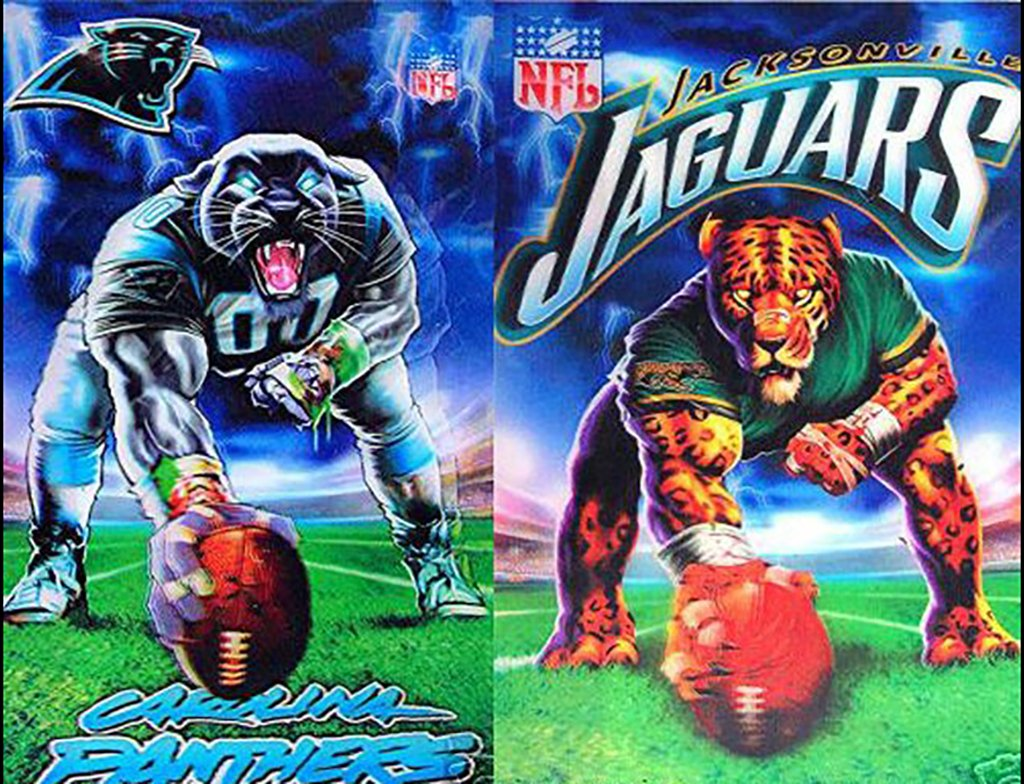
- Jacksonville Jaguars
- Carolina Panthers
The backlash was immediate.
Media outlets called it a mistake. Analysts predicted failure. Rival cities accused the league of favoritism.
But Jacksonville had crossed the point of no return.
The Jaguars were real.
How Early Success Silenced the Critics Almost Overnight
If the Jaguars struggled early, critics would have claimed victory.
Instead, Jacksonville rewrote expectations.
The Jaguars’ Shocking Early Reality
By just their second season, the Jaguars:
- Made the playoffs
- Defeated the Buffalo Bills
- Upset the Denver Broncos
Attendance soared. Merchandise sold nationally. Television ratings exceeded projections.
The “mistake franchise” suddenly looked like a blueprint.
Why the Jaguars Still Came Close to Losing Everything
Even success didn’t erase danger.
Small-market economics, stadium financing, and league politics kept Jacksonville under scrutiny. At multiple points, relocation rumors resurfaced.
Cities Linked to Jaguars Relocation Talk
- Los Angeles
- London
Each rumor reignited fear that the miracle might end.
It never did—but the threat was real.
What the Jaguars’ Survival Reveals About the NFL
Jacksonville’s story exposes a truth fans rarely hear: NFL decisions aren’t based solely on market size.
They’re based on:
- Ownership credibility
- Political unity
- Infrastructure readiness
- Long-term league optics
Jacksonville won not because it was big—but because it was prepared.
Why Fans Still Underestimate This Story Today
Many casual fans assume Jacksonville was handed a franchise.
The reality is the opposite.
The Jaguars were:
- Dismissed
- Mocked
- Nearly erased
- Forced to prove legitimacy at every stage
That underdog DNA still defines the franchise today.
Lessons Modern Expansion Cities Should Learn
Cities chasing future NFL expansion or relocation opportunities should study Jacksonville carefully.
What Actually Wins NFL Approval
- Unified civic leadership
- Immediate stadium solutions
- Strong local business buy-in
- Ownership stability
- Clear long-term vision
Hope doesn’t win expansion bids. Execution does.
The Jaguars’ Legacy Beyond Wins and Losses
The Jaguars didn’t just join the NFL.
They changed it.
They proved:
- Small markets can succeed
- Southern cities can sustain franchises
- Expansion doesn’t require legacy markets
Without Jacksonville’s success, future NFL decisions might look very different.
Frequently Asked Questions (10 Trending NFL Searches)
1. Which NFL team almost didn’t exist?
The Jacksonville Jaguars nearly lost their expansion bid.
2. Why didn’t the NFL want Jacksonville at first?
It was considered too small and financially risky.
3. Who helped save the Jaguars franchise?
Owner Wayne Weaver played the key role.
4. Which cities lost to Jacksonville for an NFL team?
St. Louis and Baltimore were heavily favored.
5. When did the Jaguars join the NFL?
They began play in 1995.
6. Did the Jaguars succeed early?
Yes, they reached the playoffs in their second season.
7. Were the Jaguars ever close to relocation?
Yes, multiple rumors surfaced but never materialized.
8. Why did the NFL choose Jacksonville anyway?
Strong unity, stadium readiness, and ownership credibility.
9. Are the Jaguars still a small-market team?
Yes, but with national and international reach.
10. What does the Jaguars’ story teach fans?
Preparation and persistence can overcome perception.
Final Verdict: Why This NFL Story Still Matters
The Jacksonville Jaguars exist today not because they were chosen—but because they refused to be dismissed.
In a league driven by power and money, Jacksonville proved that preparation, unity, and belief can still matter. Their story isn’t just about football—it’s about resilience.
That makes the Jaguars more than a franchise.
It makes them one of the NFL’s greatest near-misses—and greatest triumphs.