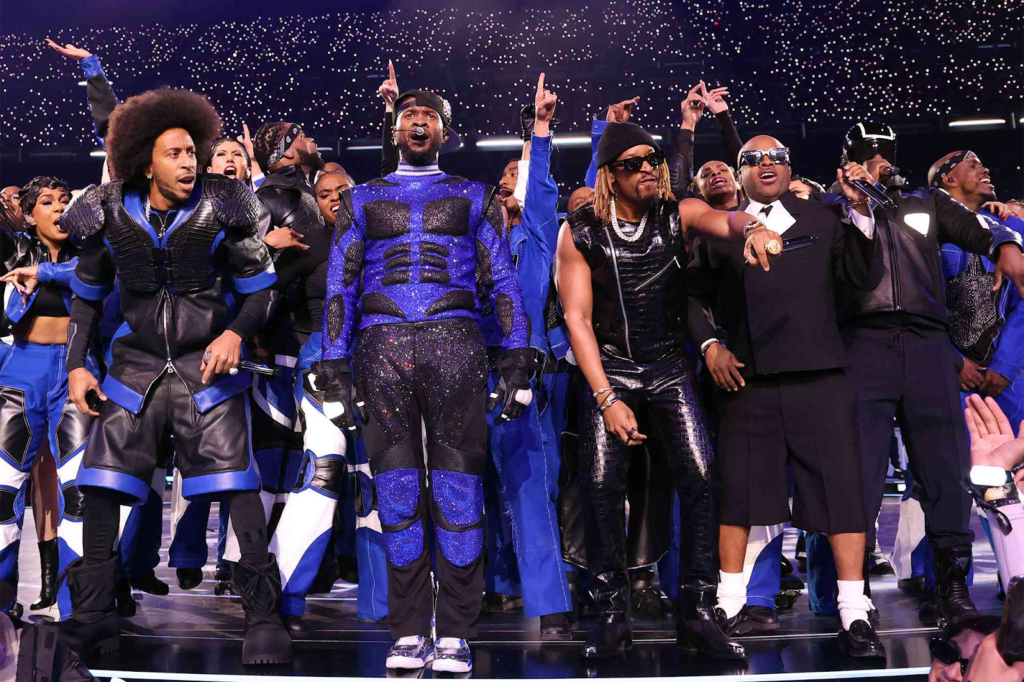
The Super Bowl Halftime Show appears flawless on television, yet behind the scenes it is one of the most high-risk live productions in the world. Former performers, producers, and crew members have revealed how technical failures, weather chaos, last-second creative disputes, and logistical nightmares nearly derailed multiple halftime shows. This article uncovers the hidden drama viewers were never meant to see.
Introduction: The Most Dangerous 13 Minutes in Live Entertainment
Every year, more than 100 million viewers tune in not only for football, but for the spectacle of the Super Bowl Halftime Show. For performers, it is a career-defining moment. For producers, it is a logistical nightmare executed under impossible pressure.
What fans see is a polished performance lasting roughly 13 minutes. What they don’t see is a frantic race against the clock involving thousands of moving parts, where even a five-second delay can cause chaos for broadcasters, advertisers, and the National Football League itself.
Former halftime crew members describe the event as “controlled chaos,” where perfection is expected—even though something almost always goes wrong.
Why the Super Bowl Halftime Show Is So Risky
Unlike concerts, award shows, or stadium tours, the halftime show has unique constraints that make it exceptionally dangerous from a production standpoint.
The performance must be:
- Built and dismantled in minutes
- Executed on a live sports field
- Broadcast globally without delay
- Timed precisely with commercial breaks
- Completed without interfering with the game
There is no margin for error. A malfunction that would be minor at a concert could become catastrophic during the Super Bowl.
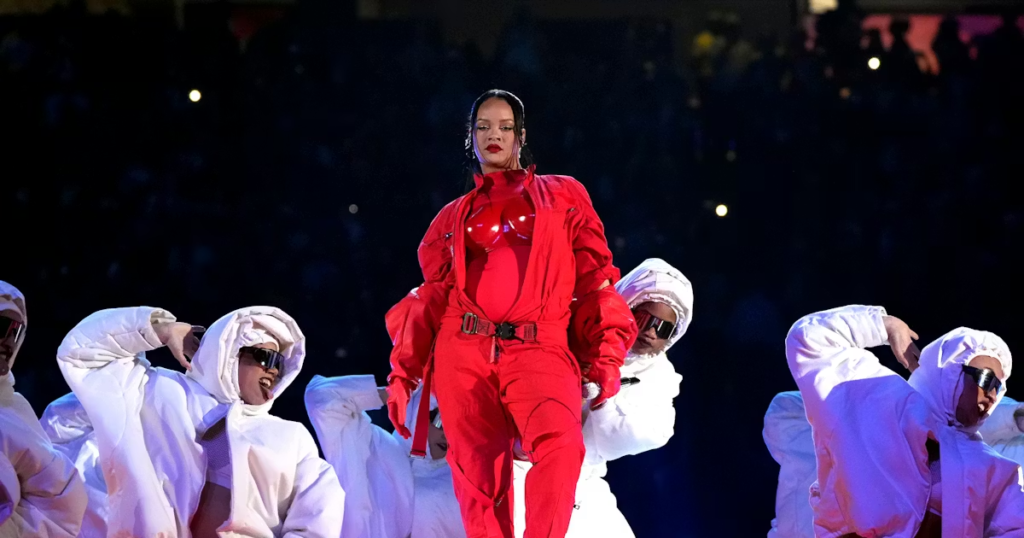
What Happens the Moment the First Half Ends?
As soon as players leave the field, a highly choreographed invasion begins.
Within seconds:
- Modular stage pieces roll onto the turf
- Power cables are laid by hand
- Audio systems are activated instantly
- Performers are rushed into hidden positions
- Camera operators reset angles on the fly
Former stage managers have confirmed that every halftime show rehearses emergency scenarios, including partial stage failure, audio loss, and performer injury.
The Stage That Almost Collapsed on Live Television
One of the most closely guarded secrets of halftime history involves stage mechanics.
Several halftime shows rely on snap-lock modular platforms that must align perfectly under extreme time pressure. Former engineers have admitted that on more than one occasion:
- Locking pins failed to engage
- Sections shifted under weight
- Crew members physically held platforms in place
- Backup choreography was prepared seconds before airtime
Performers were unaware how close they came to stepping onto unstable structures.
Audio Failures That Nearly Went Live
Sound is one of the biggest risks during halftime.
Former audio engineers have revealed incidents involving:
- Wireless microphone interference
- In-ear monitors losing signal
- Playback systems loading incorrect tracks
- Wind distortion overpowering vocals
In one instance, a performer reportedly completed an entire segment without hearing the music, relying solely on muscle memory and visual cues.
Weather: The Enemy No One Can Rehearse For
Outdoor Super Bowls introduce an uncontrollable variable—weather.
Rain, wind, and cold have caused:
- Slippery stages
- Electrical interference
- Frozen fingers affecting choreography
- Pyrotechnics being altered or removed
Production teams rewrite contingency plans up until kickoff. Weather decisions are sometimes made minutes before halftime begins.
The 2004 Incident That Changed Everything
The 2004 halftime show involving Janet Jackson permanently reshaped halftime production standards.
Following that moment:
- Broadcast delays became mandatory
- Camera rehearsals doubled
- Costumes underwent extreme scrutiny
- Performer movements were tightly controlled
Former dancers have said the show became far less spontaneous overnight, trading creativity for risk prevention.
Last-Second Creative Disputes Backstage
Not all drama is technical. Much of it is artistic.
Former producers and performers have confirmed disputes over:
- Song order
- Camera focus
- Guest appearances
- Costume changes
- Choreography timing
In several cases, artists were informed of changes minutes before walking onto the field, forcing rapid mental and physical adjustments.
The Mental Pressure on Performers Is Extreme
Performing at halftime is unlike any other live appearance.
Artists face:
- A global audience
- Instant social media judgment
- Career-defining scrutiny
- Zero opportunity for correction
Many performers have later admitted that halftime was the most nerve-wracking moment of their careers, even compared to world tours or award shows.
When Choreography Misses the Camera
Halftime choreography is designed for television—not the stadium audience.
Former dancers have revealed:
- Camera operators missing cues
- Entire formations being off-screen
- Last-second angle changes ruining visual symmetry
Backup formations are rehearsed in case broadcast framing changes unexpectedly.
The Quiet Role of Sponsors and Advertisers
Sponsors wield significant backstage influence.
Producers must account for:
- Brand-safe choreography
- Logo visibility requirements
- Content restrictions
- Broadcast timing obligations
These constraints sometimes override artistic decisions, leading to tension between creative teams and corporate stakeholders.
Why the NFL Keeps Backstage Chaos Private
Public acknowledgment of chaos could:
- Undermine broadcast credibility
- Alarm sponsors
- Discourage future performers
- Damage the league’s brand
As a result, most backstage stories emerge years later through interviews, documentaries, or memoirs.
How Halftime Shows Have Evolved to Reduce Risk
Over time, production teams have introduced safeguards:
- Redundant audio systems
- Backup power generators
- Weather-proof stage materials
- Pre-approved contingency scripts
- Strict performer movement zones
Despite these measures, former producers admit something still goes wrong every year—it’s just handled faster.
Why Fans Are Drawn to Halftime Drama
Part of the halftime show’s appeal lies in its risk.
Knowing that:
- Everything is live
- Nothing can be delayed
- Mistakes would be unforgettable
…adds tension that pre-recorded performances can’t match.
Practical Lessons from Halftime Near-Failures
The halftime show offers universal lessons for high-stakes execution:
- Always plan for failure
- Build redundancy into systems
- Rehearse contingencies, not perfection
- Stay calm under pressure
- Trust your team
These principles extend far beyond entertainment.
Frequently Asked Questions (Trending Searches)
1. Has the Super Bowl Halftime Show ever almost failed?
Yes. Multiple former crew members have confirmed near-failures involving stage, audio, and timing.
2. Do halftime performers sing live?
Most vocals are pre-recorded, but microphones and timing remain critical.
3. What was the most controversial halftime moment?
The 2004 incident remains the most impactful in broadcast history.
4. How fast is the halftime stage built?
Typically between 6 and 8 minutes.
5. Has weather ever forced major changes?
Yes. Weather has altered choreography, staging, and pyrotechnics.
6. Are performers paid for halftime shows?
They are not paid a performance fee but gain massive exposure.
7. How many people work backstage?
Estimates range from 500 to over 1,000 crew members.
8. Do performers rehearse inside the stadium?
Yes, but under strict secrecy and limited access.
9. Why is halftime so tightly controlled now?
Broadcast regulations and brand protection demand oversight.
10. Will halftime shows ever become less risky?
Unlikely. The scale and live nature guarantee inherent risk.

Final Thoughts: Perfection Built on the Edge of Chaos
The Super Bowl Halftime Show succeeds not because nothing goes wrong—but because everything that does go wrong is solved instantly.
Behind every flawless broadcast is a battlefield of quick thinking, discipline, and teamwork under unimaginable pressure. What viewers see is spectacle. What they don’t see is survival.