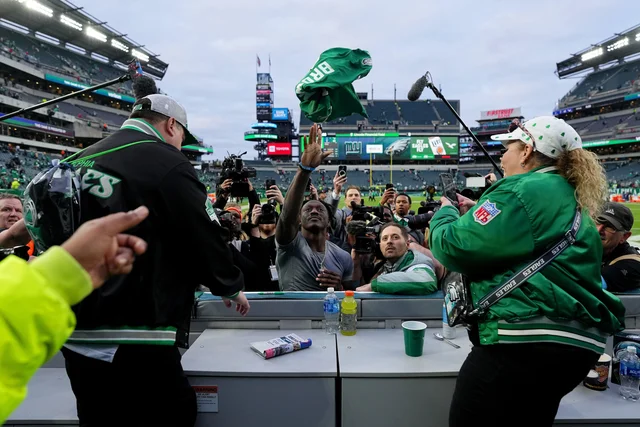
NFL stadiums are surrounded by powerful myths about crowd noise, weather, altitude, turf, and home-field advantage. This in-depth guide separates fact from fiction using real games, player testimony, league data, and stadium science to explain why many widely believed NFL stadium myths are exaggerated or outdated—and what truly gives teams an edge in today’s NFL.
Introduction: Why NFL Stadium Myths Never Seem to Die
Every NFL season, the same conversations resurface. Fans argue that certain stadiums are automatic losses for visiting teams. Analysts claim weather decides playoff games. Commentators talk about altitude, turf, noise, and “stadium mystique” as if these factors alone explain wins and losses.
These beliefs are deeply rooted in NFL culture. They’re repeated on sports radio, shouted at tailgates, and reinforced by highlight packages and dramatic commentary. Over time, they harden into “truths” that fans rarely question.
But here’s the reality: the modern NFL is nothing like the league that created these myths.
Teams now invest millions into preparation, technology, sports science, and analytics. Players train year-round. Coaches script responses to every possible environment. What once felt like an overwhelming stadium advantage has, in many cases, been neutralized.
This article breaks down the most common NFL stadium myths fans still believe, explains why they’re wrong, and replaces them with what actually influences outcomes in today’s National Football League.
Why Do NFL Stadium Myths Matter So Much?
Stadium myths matter because they offer simple explanations for complex outcomes.
Football is chaotic. Injuries, turnovers, matchups, and coaching decisions all shape games. Stadium myths give fans something tangible to point to when results don’t make sense.
It’s easier to say:
- “No one wins there”
- “You can’t play in that noise”
- “Cold weather teams always dominate”
Than to accept:
- A bad matchup
- Poor execution
- Strategic failure
But the NFL has evolved. And many stadium myths haven’t evolved with it.
Myth #1: “Crowd Noise Alone Wins Games”
Few stadium myths are louder—literally—than this one.
Why Fans Believe It
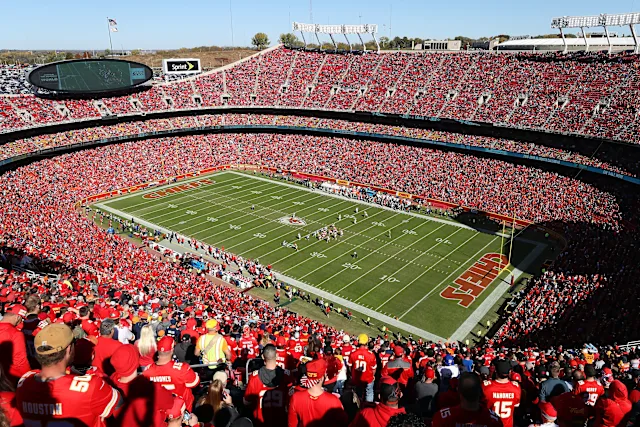
Stadiums like Arrowhead Stadium are famous for ear-splitting noise. Arrowhead even holds Guinness World Records for crowd volume, which reinforces the belief that visiting teams are helpless.
Fans assume:
- Noise causes false starts
- Quarterbacks panic
- Communication breaks down
Why It’s Wrong
Crowd noise is disruptive—but it’s no longer decisive.
Modern offenses:
- Use silent counts
- Employ hand signals and wristband calls
- Practice with simulated crowd noise at full decibel levels
According to league officiating trends, false-start penalties caused by noise have declined over the past decade, despite louder stadiums.
Noise creates inconvenience, not inevitability.
Myth #2: “Cold Weather Teams Always Have the Advantage”
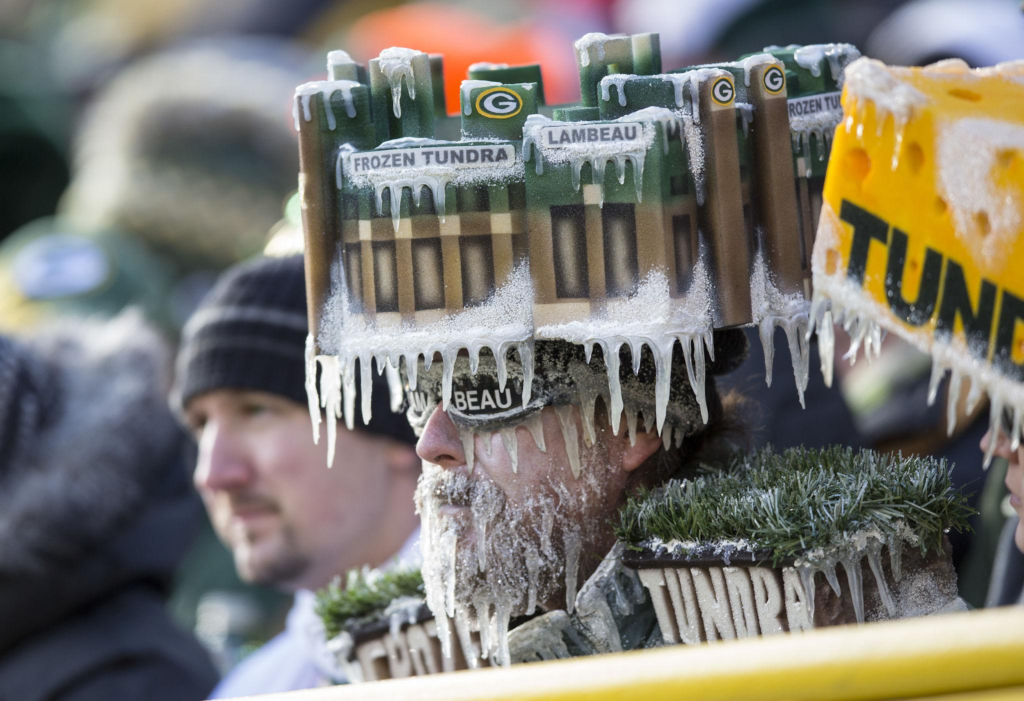
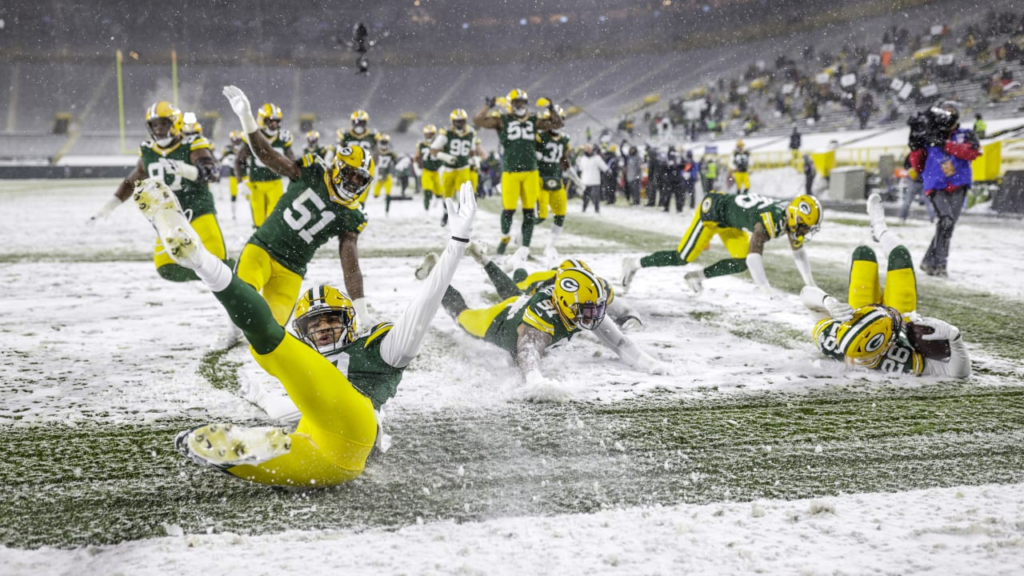
Snow games make great television. Frozen breath, icy fields, and bundled fans create a dramatic narrative that cold-weather teams thrive while warm-weather teams suffer.
Why Fans Believe It
Images from Lambeau Field fuel the legend of the “Frozen Tundra.”
The assumption is simple:
- Cold teams are tougher
- Warm teams aren’t built for it
Why It’s Wrong
Cold weather affects everyone, including the home team.
Modern NFL realities include:
- Heated benches and sideline shelters
- Advanced cold-weather cleats and gloves
- Footballs conditioned for temperature
When analysts reviewed decades of playoff games, no consistent statistical edge emerged based solely on cold weather. Execution, turnovers, and matchups still determine outcomes.
Cold looks intimidating. It doesn’t decide games.
Myth #3: “Altitude at Denver Guarantees an Edge”
Playing at altitude sounds intimidating—and physiologically, it is different.
Why Fans Believe It
At Empower Field at Mile High, oxygen levels are lower. Fans assume visiting players get tired faster and fade late.
Why It’s Overstated
Altitude effects exist—but they’re manageable.
NFL teams now:
- Arrive early to acclimate or late to minimize impact
- Adjust hydration and rotation strategies
- Use real-time biometric monitoring
Sports science research shows altitude impacts endurance sports far more than short-burst football plays. Any edge is marginal and often neutralized by preparation.
Altitude is a factor—not a guarantee.
Myth #4: “Domed Stadiums Create Soft Football”
Domes remove weather, creating fast conditions. Traditionalists argue that dome teams can’t handle physical football.
Why Fans Believe It
No wind. No rain. No snow. That feels like cheating.
Why It’s Wrong
Domes don’t remove physicality—they remove excuses.
In domes:
- Speed increases for both teams
- Passing becomes more precise
- Defensive mistakes are punished faster
Some of the league’s most physical defenses have thrived indoors. Domes reward execution, not softness.
Myth #5: “Artificial Turf Always Causes More Injuries”
This myth resurfaces every season, especially after high-profile injuries.
Why Fans Believe It
Older turf was unforgiving. Player complaints amplified fear.
Why It’s Only Partially True
Modern turf is not the same product.
NFL-approved turf now includes:
- Shock-absorption layers
- Advanced infill systems
- Regular safety testing
League injury data shows no universal injury spike across all turf fields. The issue is specific turf quality, not turf itself.
Bad surfaces cause injuries—grass or turf.
Myth #6: “Home-Field Advantage Is Automatic”
For decades, home teams dominated. Fans still assume home games equal wins.
Why It’s No Longer True
Home-field advantage has declined steadily.
Contributing factors:
- Improved travel logistics
- Neutralized officiating patterns
- Advanced scouting and analytics
Recent seasons show home win rates hovering around 53%, down from nearly 60% in earlier eras.
Home helps—but it doesn’t decide.
Myth #7: “Certain Stadiums Are Cursed”
Some stadiums develop reputations where visiting teams “never win.”
Why Fans Believe It
Losses pile up. Narratives form.
Why It’s Wrong
Streaks come from:
- Matchups
- Scheduling
- Team quality during specific eras
Buildings don’t remember losses. Fans do.
Myth #8: “Weather Automatically Favors Tough Teams”
Rain, snow, and wind are seen as equalizers.
Why That’s Misleading
Weather favors prepared teams, not tougher ones.
Teams that:
- Practice ball security
- Adjust play-calling
- Anticipate conditions
Win weather games.
Myth #9: “Referees Favor Home Teams Because of Stadium Pressure”
Boos are loud. Fans assume refs cave.
Why Data Disagrees
The NFL:
- Rotates officiating crews
- Reviews calls centrally
- Audits penalty distribution
Independent analysis shows no consistent officiating bias tied to stadium location.
Myth #10: “New Stadiums Automatically Create Dominance”
New stadiums bring hype—but not wins.
Why Fans Believe It
Energy spikes. Attendance rises.
Why It’s Wrong
Stadiums improve:
- Revenue
- Fan experience
Winning still depends on:
- Roster talent
- Coaching
- Health
What Actually Gives Teams a Stadium Edge?
Instead of myths, here’s what truly matters:
- Preparation for environment
- Communication systems
- Coaching adaptability
- Roster depth
- Situational execution
Stadiums amplify strengths—they don’t create them.
Practical Takeaways for Fans, Bettors, and Analysts
- Don’t overvalue stadium mystique
- Focus on matchups and injuries
- Weather matters only when extreme
- Preparation beats environment
Reality beats mythology.
Frequently Asked Questions (10 Trending NFL Searches)
1. Is Arrowhead Stadium really the loudest in the NFL?
It’s among the loudest, but noise alone doesn’t decide games.
2. Do cold-weather teams dominate playoff games?
No. Execution matters more than temperature.
3. Does altitude in Denver affect visiting teams?
Slightly, but preparation minimizes the impact.
4. Are domes bad for defense?
No. They reward speed and precision on both sides.
5. Is artificial turf more dangerous than grass?
Only when poorly maintained.
6. Has home-field advantage declined?
Yes, significantly over the past 20 years.
7. Do referees favor home teams?
League data shows no consistent bias.
8. Are some stadiums cursed?
No. Patterns reflect team quality, not buildings.
9. Does weather equalize talent gaps?
Only if one team is unprepared.
10. Do new stadiums make teams better?
They improve business—not performance.
Final Verdict: Why Smarter Fans Let Go of Stadium Myths
NFL stadiums still matter—but not for mystical reasons.
The modern NFL is driven by preparation, technology, and adaptability. Stadiums amplify execution; they don’t replace it. Once you understand that, results make more sense—and debates become more informed.
Believing fewer myths doesn’t make football less fun.
It makes watching it far smarter.