NFL game film reveals truths that statistics and TV broadcasts conceal. By analyzing All-22 footage, coaches and analysts uncover how coverage disguises, route concepts, and situational decisions actually decide games. This deep dive explains how film study reshapes quarterback evaluation, exposes defensive strategy, and transforms how fans understand modern NFL football.
Why NFL Game Film Tells a Completely Different Story Than Television Broadcasts
Most NFL fans believe they understand football because they watch games every Sunday. Yet television broadcasts are designed for drama, not accuracy. The camera follows the ball, zooms in on star players, and cuts away before routes fully develop or coverages rotate. This creates a distorted version of reality.
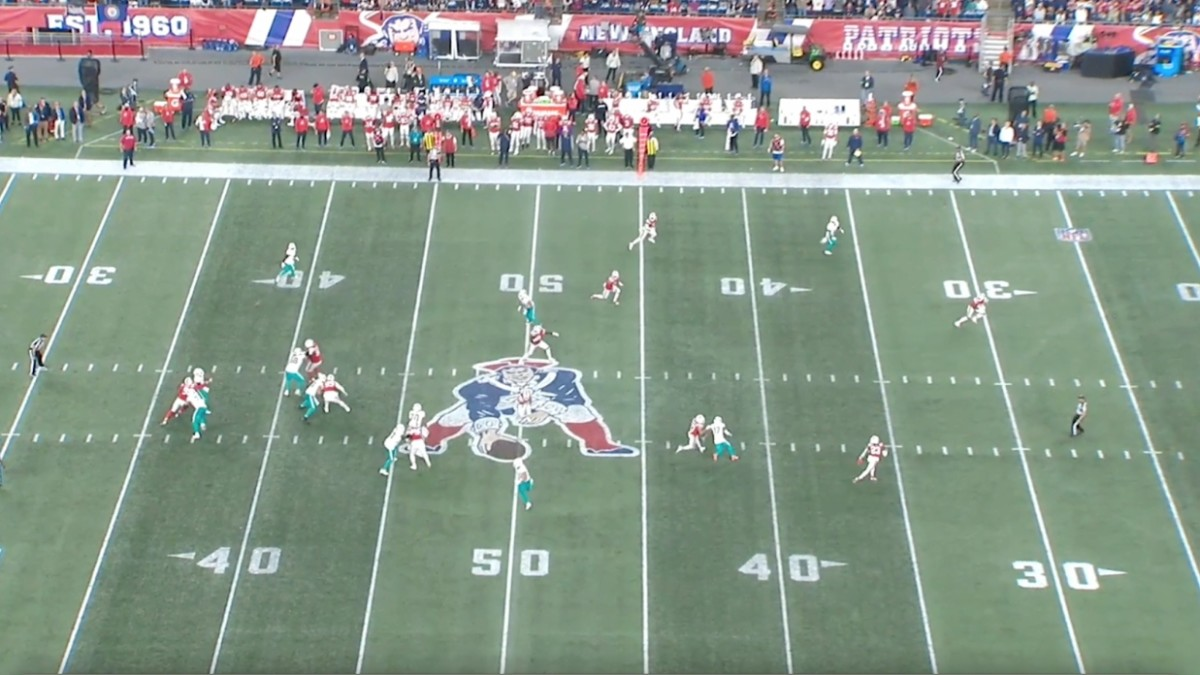
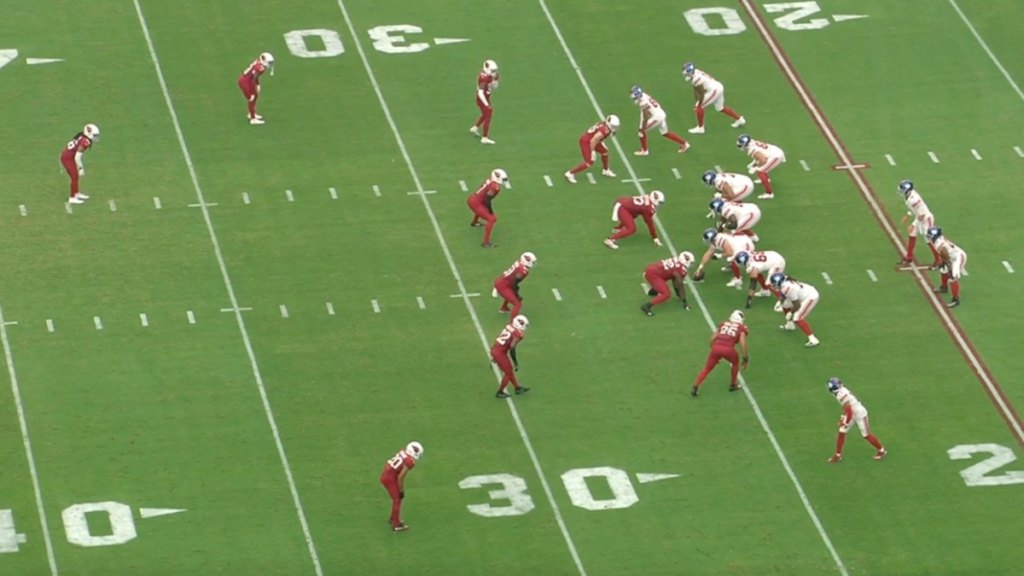
NFL game film—especially All-22 footage—tells the real story. It captures all 22 players on every snap, revealing spacing, leverage, communication, and deception. When fans first see All-22, many realize that what they thought was “bad football” was often high-level execution hidden by camera angles.
This is why coaches, scouts, and front offices trust film over highlights. Film exposes intent. Television shows results.
What Is NFL All-22 Film and Why Does It Matter So Much?
All-22 film is the same footage used by NFL coaching staffs. The camera angle is elevated and wide, showing the entire field from sideline to sideline. Every route, coverage rotation, blitz, and protection adjustment becomes visible.
Why Coaches Trust Film More Than Stats
Statistics summarize outcomes. Film explains why those outcomes occurred. A quarterback may throw an interception, but film shows whether:
- A receiver slipped
- The coverage rotated post-snap
- The protection broke down
- The throw was actually correct given the read
This distinction is why elite teams invest heavily in film analysts and why former players consistently say, “The tape doesn’t lie.”
How Game Film Completely Changes Quarterback Evaluation
Quarterbacks receive the most praise and the most blame. They are also the most misunderstood position in football. Film study often dismantles public narratives.
Real-Life Example: Judging Quarterbacks Beyond the Box Score
When fans criticized Josh Allen for turnovers in nationally televised games, All-22 review revealed a different truth. Receivers failed to gain separation against disguised zone coverage, while Allen consistently made correct pre-snap reads and threw on schedule.
Without film, fans blamed the quarterback. With film, responsibility shifted elsewhere.
What Film Actually Reveals About QB Play
- Pre-snap defensive identification
- Eye manipulation to move safeties
- Pocket footwork under pressure
- Throwing to open space, not open players
Elite quarterbacking is about anticipation and decision-making, not just arm strength.
Route Concepts: Why “Nobody Was Open” Is Usually Wrong
One of the biggest myths among casual fans is the idea that every receiver is trying to get open on every play. NFL offenses are built on route concepts, not individual routes.
Receivers often sacrifice their own opportunity to create space for teammates. This is invisible on broadcast but obvious on film.
Common NFL Route Concepts Fans Miss
- Mesh (natural rubs across the middle)
- Flood (overloading one side of the field)
- Dagger (vertical clear-out with an intermediate dig)
- Levels (high-low reads against zone coverage)
Super Bowl Example
During Super Bowl LVII, the Kansas City Chiefs repeatedly used motion and stacked releases to force defensive communication breakdowns. Broadcast viewers saw “wide-open touchdowns.” Film showed meticulously engineered confusion.
Defensive Film Study: Why Coverage Busts Aren’t Always Mistakes
Defensive breakdowns often look like chaos on TV. On film, they are frequently intentional risks.
NFL defenses disguise coverage until the last possible second. Safeties rotate late. Corners play leverage instead of chasing the ball. Linebackers pass routes between zones rather than following receivers.
Film Reality vs Fan Assumptions
What fans see as:
- “Blown coverage”
- “Missed assignment”
- “Confused defense”
Film often reveals:
- Post-snap rotation
- Pattern-match coverage
- Zone exchanges
- Trap coverage baiting throws
Team Example
The San Francisco 49ers regularly disguise Cover 3 and Cover 6 looks. Broadcast viewers think defenders hesitated. Film shows discipline, patience, and intentional spacing.
Why Offensive Line Play Is Massively Misunderstood
Offensive linemen are blamed whenever pressure reaches the quarterback. Film often proves that blame incorrect.
Quarterbacks drifting too deep, holding the ball too long, or failing to adjust protections are common causes of sacks that appear to be offensive line failures.
What Film Shows About Offensive Line Play
- Slide vs man protection rules
- Defensive line stunts and twists
- Blitz pickup responsibilities
- Communication at the snap
A lineman may allow pressure intentionally to widen a rusher, protecting the throwing lane. On TV, it looks like failure. On film, it’s textbook technique.
Situational Football: Where NFL Games Are Truly Won
NFL games are not decided evenly across four quarters. They are decided in specific moments. Film study focuses heavily on situational football.
Critical Situations Coaches Obsess Over
- Third-and-medium (4–6 yards)
- Red zone spacing
- Two-minute drill tendencies
- Goal-line personnel groupings
Teams script plays and defensive calls specifically for these moments. Film reveals patterns long before fans notice them.
How NFL Coaches Use Film to Exploit Opponents Weekly
Every NFL game plan starts with film. Coaches study opponent tendencies relentlessly.
What Coaches Look For on Film
- Defensive alignment versus motion
- Blitz frequency by down and distance
- Cornerback leverage preferences
- Linebacker depth on play-action
Modern Example
The Miami Dolphins use pre-snap motion not for style, but to force defenses to reveal coverage. Film shows defenders tipping their intentions before the snap—something broadcasts rarely capture.
Why Analytics Alone Can Mislead Without Film Context
Advanced analytics like EPA and success rate are powerful tools, but they are incomplete without film.
Analytics explain what happened. Film explains why.
A run play with low EPA might still be correct if it forced a safety adjustment exploited later. NFL teams integrate analytics and film together, never separately.
Players Whose Reputation Changed After Film Study
Film has reshaped how many players are evaluated.
Notable Examples
- Brock Purdy – Film showed elite anticipation, not “system quarterback” limitations
- Lamar Jackson – Film revealed pocket mastery beyond rushing highlights
- T.J. Watt – Film exposed constant pressure creation beyond sack totals
Film strips away bias and replaces opinion with evidence.
Why Watching Film Changes How Fans Experience Football Forever
Once fans understand:
- Why a safety hesitated
- Why a route combination worked
- Why a blitz hit home
Football slows down mentally. Emotion gives way to understanding. Many fans say they can never watch games the same way again.
How Regular Fans Can Access NFL Game Film Today
Film study is no longer exclusive to coaches.
Ways Fans Watch Film
- NFL+ (All-22 access)
- Former player film breakdowns
- Team-specific analysis channels
- Advanced football communities
With minimal effort, fans can learn the same language coaches speak.
Key Takeaways From NFL Game Film Study
- Box scores hide context
- Quarterbacks are often misjudged
- Defense is about leverage and disguise
- Coaching shows up on film, not highlights
- Film creates smarter, more informed fans
Frequently Asked Questions (FAQ)
1. What is All-22 film in the NFL?
All-22 is coaching film that shows all players on the field, used to analyze strategy and execution.
2. Why does NFL film look different from TV broadcasts?
Broadcasts prioritize entertainment; film prioritizes accuracy and full-field context.
3. Can regular fans legally watch NFL game film?
Yes. Services like NFL+ provide legal access to All-22 footage.
4. Does film study change quarterback rankings?
Yes. Film often contradicts public perception based on stats or highlights.
5. Why do receivers look open on film but not on TV?
Broadcast angles hide spacing, leverage, and timing visible on All-22.
6. Is film study difficult for beginners?
No. Basic concepts can be learned quickly with repetition.
7. Do NFL teams trust film more than analytics?
They use both, but film provides context analytics cannot.
8. Why do defenses disguise coverage so often?
To confuse quarterbacks and force late decisions.
9. Which position benefits most from film study?
Quarterbacks and offensive linemen gain the most insight.
10. Why do former players emphasize film so much?
Because film reflects real decision-making, not surface-level results.
Final Thought
NFL game film doesn’t just explain football—it reveals it. Behind every touchdown and turnover lies a network of decisions invisible to the casual eye. Once you understand the game through film, football stops being noise and becomes language. The tape doesn’t lie—and once you see it, neither can your understanding of the NFL.