Behind every NFL game lies a private world fans rarely witness—the locker room. It’s where emotions peak, leadership is tested, conflicts surface, and seasons quietly pivot. From silent pregame rituals to raw postgame reckoning, locker room culture shapes outcomes more than playbooks alone. This deep, behind-the-scenes exploration reveals what truly happens inside—and why fans are endlessly fascinated by what they’re not supposed to see.
Introduction: The Hidden Theater of the NFL
Every Sunday, millions of fans tune in to watch the spectacle of the National Football League. Cameras follow players onto the field, commentators analyze every snap, and highlights flood social media within seconds. Yet the most important moments often happen where cameras are not allowed.
The locker room.
This is the space fans obsess over—not because of scandal, but because it’s where football becomes deeply human. It’s where fear, confidence, pain, anger, belief, and unity collide. It’s where coaches become psychologists, players become leaders, and teams either fracture or bond.
Across the United States, fans increasingly search:
- What really happens in NFL locker rooms?
- What do players say at halftime?
- Are locker room speeches real or just TV drama?
- Do locker rooms decide wins and losses?
This article answers those questions with clarity, realism, and respect. Not through rumor—but through patterns, player testimonies, and decades of documented NFL culture.
What the Locker Room Really Is—and Isn’t
At a glance, an NFL locker room looks utilitarian: rows of lockers, benches, tape, towels, ice tubs, whiteboards. But culturally, it’s the emotional engine of a team.
The locker room is:
- A psychological reset zone
- A leadership testing ground
- A private accountability chamber
- A cultural mirror of the team
It is not a constant shouting match, nor is it a Hollywood movie scene. Most of the time, it’s quiet, focused, and deeply personal.
Fans often imagine chaos. In reality, the most successful teams operate with controlled intensity.
Pregame Locker Rooms: Quiet Focus, Not Chaos
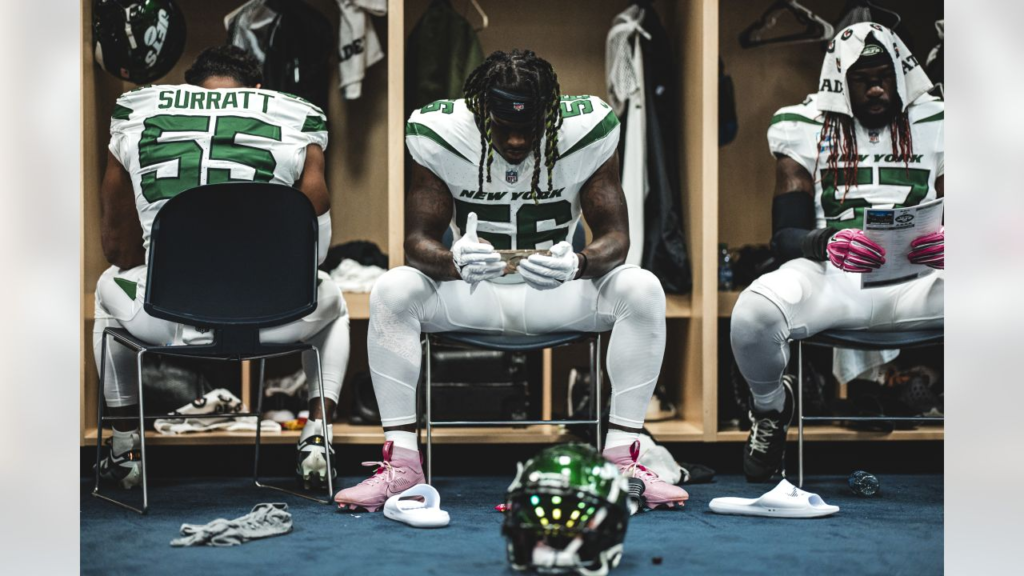
One of the biggest misconceptions fans have is that locker rooms before kickoff are loud, fiery, and dramatic. In truth, most pregame locker rooms are subdued.
Players prepare in different ways:
- Some sit silently with headphones, visualizing assignments
- Others stretch methodically, repeating the same routine every week
- Veterans often observe rookies, gauging nerves and readiness
Conversation is minimal. Energy is inward. Focus is individual.
Only minutes before kickoff does the room unify—and even then, briefly.
Pregame Rituals Fans Never See
Every locker room contains hundreds of private rituals that never make television.
Common rituals include:
- Sitting in the same locker every week
- Wearing equipment in a specific order
- Listening to the same song before every game
- Avoiding certain conversations
These rituals aren’t superstition—they’re psychological anchors. In a league defined by pressure, routine creates control.
Fans wish they could see these moments because they reveal vulnerability beneath the armor.
The Truth About Locker Room Speeches
Locker room speeches exist—but they are far rarer and shorter than fans believe.
Great coaches understand one rule: emotion loses power when overused.
Most speeches are:
- Under two minutes
- Calm, direct, and personal
- Delivered by trusted leaders, not always coaches
The most impactful words are often whispered, not shouted.
Fans imagine theatrical monologues. Players value honesty.
Halftime: The Most Misunderstood 12 Minutes in Sports
Halftime is not motivational theater. It’s crisis management.
In roughly 12 minutes, teams must:
- Treat injuries
- Replace equipment
- Adjust strategy
- Reset emotionally
There is no time for long speeches.
What actually happens:
- Coaches speak briefly and tactically
- Position coaches huddle separately
- Players communicate peer-to-peer
The loudest voices are usually not the coaches—but veteran players demanding accountability.
What Fans Wish They Could Hear at Halftime
Fans don’t crave yelling. They crave honesty.
They want to hear:
- Which mistakes are unacceptable
- Which players need to step up
- How leaders respond under pressure
Those conversations happen—but they are private by design. And that privacy is why they work.
When Silence Is the Loudest Sound in the Room
After devastating losses, locker rooms often fall completely silent.
No speeches. No shouting. Just the sound of tape being cut and cleats removed.
That silence communicates:
- Collective disappointment
- Accountability without blame
- Respect for the moment
Veterans often say silence is more powerful than anger. It forces reflection.
Fans rarely see this—but it’s one of the most defining locker room experiences.
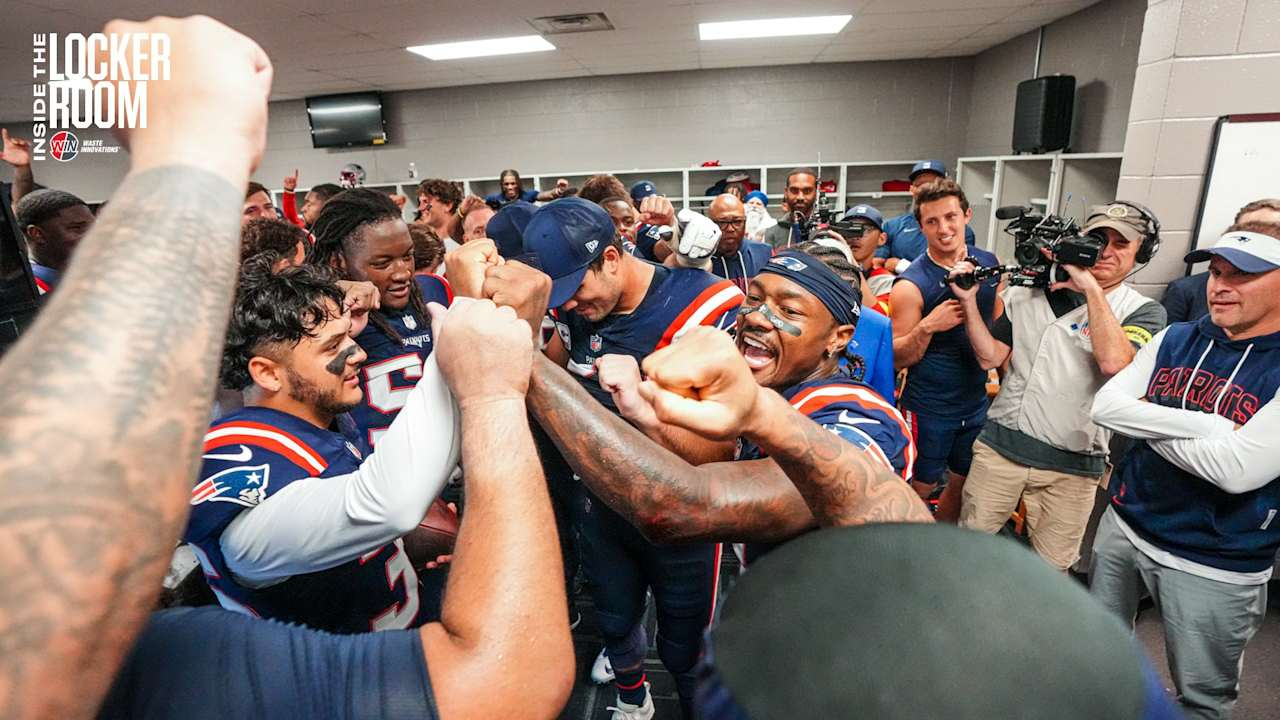
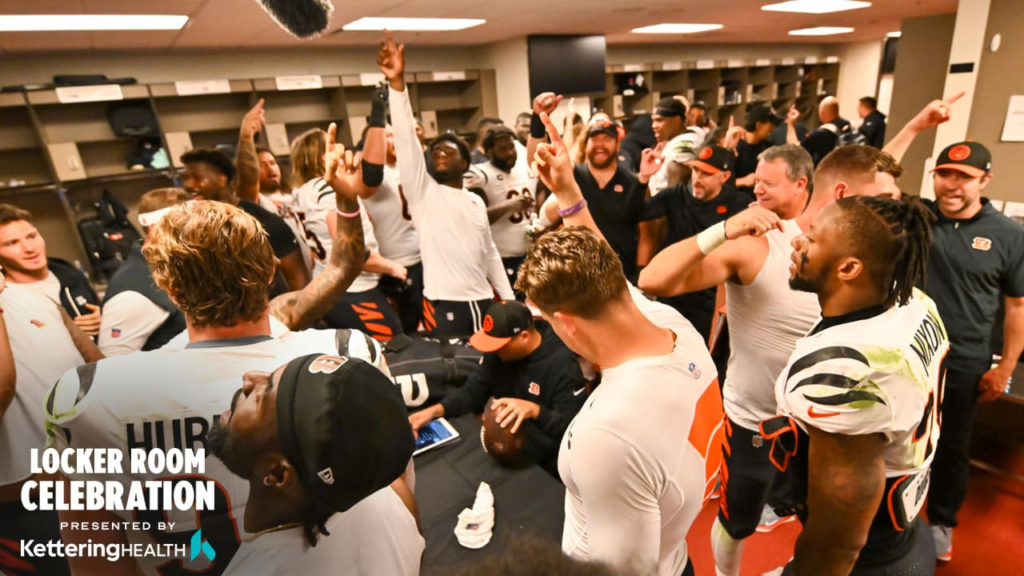
Postgame Wins: Celebration With Discipline
After victories, locker rooms erupt—but not recklessly.
Celebrations usually follow structure:
- Brief coach remarks
- Recognition of unsung contributors
- Music, laughter, and relief
The best teams celebrate quickly, then reset. Coaches reinforce standards even in joy.
Fans love postgame locker room videos because they offer a rare glimpse behind the curtain—controlled access to authentic happiness.
Postgame Losses: Where Culture Is Revealed
Losses expose locker room culture more than wins ever could.
In strong locker rooms:
- Leaders speak calmly
- Coaches take responsibility publicly
- Players hold each other accountable privately
In weak locker rooms:
- Blame spreads
- Cliques form
- Trust erodes
Fans often ask why talented teams collapse late in seasons. The answer usually begins here.
Do Conflicts Really Happen in Locker Rooms?
Yes—but not how movies portray them.
Disagreements are common. Raised voices happen. But most conflicts are:
- Short
- Verbal
- Handled internally
Physical altercations are rare—and usually seen as failures of leadership.
The locker room has a code: private resolution matters more than public image.
Leadership: Where Real Captains Are Revealed
Locker rooms expose real leadership. Titles matter less than respect.
True leaders:
- Speak when necessary
- Listen more than they talk
- Hold teammates accountable privately
Many of the most influential locker room leaders are not stars. They are consistent veterans whose voices carry weight because of trust.
Fans often ask: Why doesn’t the best player lead more?
Because leadership is earned, not assigned.
Rookie Life Inside the Locker Room
Rookies enter locker rooms as outsiders. They watch before speaking.
Early rookie experiences include:
- Learning unspoken rules
- Observing veteran behavior
- Earning trust through preparation
Modern locker rooms no longer tolerate hazing, but expectations remain high. Respect is earned through professionalism.
Fans rarely see how intimidating this transition is—but it shapes careers.
Humor: The Survival Tool Fans Don’t Expect
Humor is essential in locker rooms.
Jokes and teasing serve to:
- Release tension
- Build bonds
- Reinforce belonging
During losing streaks, laughter often prevents teams from fracturing. Humor is not disrespect—it’s resilience.
Why Cameras Are Still Limited—and Should Be
Fans crave access. Players crave privacy.
Locker room privacy protects:
- Emotional vulnerability
- Honest communication
- Medical treatment
- Trust
Too much access changes behavior. Authenticity disappears when performance replaces honesty.
The locker room works because it is protected.
What Fans Actually Want vs. What They Imagine
Fans think they want:
- More yelling
- More drama
- More conflict
What resonates most:
- Honest emotion
- Quiet leadership
- Human moments
The most powerful locker room moments are rarely loud.
How Locker Room Culture Directly Impacts Performance
Teams with strong locker room culture:
- Handle adversity better
- Recover faster from losses
- Sustain success longer
Analytics can’t measure trust—but wins often reflect it.
Practical Takeaways for Fans
- Not everything needs to be public
- Silence can be leadership
- Culture outlasts talent
Understanding locker rooms deepens respect for the game.
Frequently Asked Questions (Trending & SEO-Optimized)
1. What really happens in NFL locker rooms?
Preparation, emotional processing, leadership, and accountability.
2. Do coaches yell at halftime?
Rarely. Halftime is usually calm and tactical.
3. Are locker room speeches real?
Yes—but they are usually short and situational.
4. Do players fight in locker rooms?
Arguments happen; physical fights are rare.
5. Why aren’t locker rooms fully televised?
Privacy protects honesty, health, and team culture.
6. Who leads in locker rooms?
Respected veterans—not always star players.
7. What happens after bad losses?
Often silence, reflection, and private accountability.
8. How do rookies fit in?
By observing, preparing, and earning trust.
9. Does locker room culture affect wins?
Yes—strong culture correlates with sustained success.
10. Will fans ever get full locker room access?
Unlikely. Players strongly oppose total access.
Final Thoughts: The Game Behind the Game
The locker room is where football becomes human. It’s where confidence is built, doubt is confronted, and trust is tested away from cameras and commentary.
Fans may never fully see what happens inside—and that’s exactly why it works.
Understanding the locker room doesn’t ruin the mystery. It deepens respect for the sport, the players, and the unseen moments that shape every Sunday.
Because long before the whistle blows—and long after it fades—the real game is still being played behind closed doors.