
One NFL franchise is quietly executing an offseason strategy that defies league norms and could accelerate a rebuild into contention faster than expected. This in-depth analysis explores how the Chicago Bears are combining financial discipline, draft leverage, coaching continuity, and long-term quarterback planning to create a sustainable competitive edge—one that may surprise the entire NFL sooner than most analysts predict.
Introduction: When Silence Becomes a Signal
Every NFL offseason creates noise. Headlines scream about record-breaking contracts, blockbuster trades, and “win-now” declarations. Fans scroll, analysts debate, and social media crowns offseason champions long before a single snap is played.
But every few years, one team takes a different approach.
No flashy press conferences.
No reckless spending.
No desperate attempts to manufacture optimism.
This offseason, that team is the Chicago Bears.
At first glance, Chicago’s offseason looks almost underwhelming. Yet beneath the surface, the Bears are executing one of the most calculated and potentially disruptive plans in the league—one designed not just to improve this season, but to permanently alter their competitive trajectory.
This is not an accident.
It’s architecture.
Why Are NFL Fans Suddenly Asking About the Bears’ Offseason?
Across Google, YouTube, and sports forums, a pattern has emerged. Fans are searching:
- “What are the Bears really doing this offseason?”
- “Are the Bears rebuilding or ready to compete?”
- “Why are the Bears being so patient?”
- “Is Chicago quietly setting up something big?”
These questions appear when a team’s actions don’t align with public expectations. In the NFL, confusion often precedes surprise.
The Bears are leaning into that confusion.
The Front Office Philosophy Driving the Plan
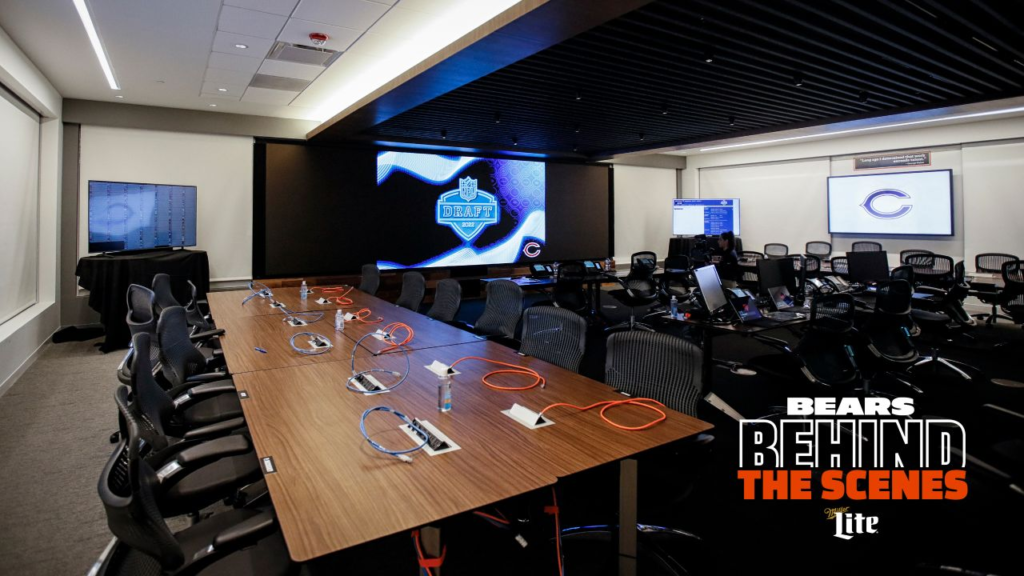
At the center of Chicago’s strategy is Ryan Poles, whose approach contrasts sharply with the impulse-driven decision-making common around the league.
From day one, Poles emphasized a core belief: sustainable success beats short-term excitement.
His philosophy rests on three pillars:
- Long-term roster health over immediate headlines
- Draft development over expensive veteran patchwork
- Financial flexibility over cap-strangling contracts
This mindset required patience—especially from a fan base starved for relevance—but it also created alignment across the organization.
The Quarterback Timeline: Fixing a Historic Mistake
For decades, the Bears struggled with the same issue: placing young quarterbacks into unstable environments. Coaching changes, weak offensive lines, and limited skill talent repeatedly undermined development.
This offseason plan directly addresses that history.
Rather than forcing immediate stardom, Chicago is sequencing growth:
- Offensive structure first
- Skill-position depth second
- Quarterback expectations third
This alignment mirrors the league’s most successful modern builds, where quarterbacks are supported before being showcased.
Why the Bears Refused to Overspend in Free Agency
One of the loudest criticisms from fans has been Chicago’s restraint during free agency.
“Why didn’t they sign the biggest name available?”
“Why not speed this up?”
The answer is grounded in data.
League-wide studies repeatedly show that high-priced free agents rarely outperform their contracts beyond Year One. By Year Two, fewer than one-third deliver surplus value relative to cap hit.
Chicago’s front office understands that free agency is best used to complement a roster—not construct one.
Instead of chasing headlines, the Bears targeted:
- Scheme-fit veterans
- Short-term, flexible contracts
- Depth pieces that preserve future cap health
This approach doesn’t excite Twitter. It wins seasons.
Draft Capital: Chicago’s Quiet Superpower
Few teams enter an offseason with Chicago’s combination of:
- Premium draft selections
- Young, cost-controlled starters
- Minimal dead money
Draft capital gives the Bears leverage in every direction. They can:
- Trade up for elite talent
- Trade back to accumulate volume
- Absorb contracts other teams can’t
- React quickly to in-season opportunities
This flexibility is something contenders and rebuilders alike envy—but rarely possess.
Real-Life Blueprint: Lessons from the Eagles
The Bears’ strategy closely resembles the model used by the Philadelphia Eagles earlier this decade.
Philadelphia resisted panic, focused on trenches, and aligned quarterback development with roster readiness. The result wasn’t just a playoff run—it was sustained relevance.
Chicago isn’t copying blindly, but the parallels are intentional.
Coaching Continuity: The Hidden Advantage
One of the least discussed yet most powerful elements of the Bears’ offseason plan is coaching stability.
While other teams reshuffle staff annually, Chicago has emphasized:
- Consistent terminology
- Player-coach trust
- System mastery over constant resets
Young players develop faster when schemes remain stable. Mistakes decrease. Execution improves. The Bears are investing in continuity as a competitive weapon.
Defensive Depth Over Defensive Stars
Instead of allocating massive cap space to one defender, Chicago has prioritized depth and rotation.
Why?
Because modern NFL offenses exploit fatigue.
A rotating defensive front:
- Maintains pressure late in games
- Reduces injury risk
- Improves situational football
This mirrors league trends where depth—not star power—decides December games.
Why This Plan Could Shock the League in September
Most analysts project the Bears as “competitive but inconsistent.”
Internally, the expectations are higher.
The offseason plan targets:
- Early-season competence
- Situational excellence (third downs, red zone)
- Reduced mental errors
- Strong second-half execution
These are playoff traits—not rebuilding ones.
Opponents preparing for the “old Bears” may be caught off guard.
The Psychological Edge of Low Expectations
By avoiding offseason hype, Chicago has reduced pressure on:
- Young quarterbacks
- New starters
- First-year contributors
This creates an emotional advantage. Teams with muted expectations often start faster because they play freer.
Why Rival Front Offices Are Paying Attention
NFL executives don’t just watch games—they watch behavior.
Chicago’s offseason signals confidence:
- No panic spending
- No desperation trades
- No public urgency
Those are traits of a team comfortable with its plan.
Key Elements of the Bears’ Offseason Plan (Quick Scan)
- Draft-first roster construction
- Cap flexibility preserved beyond one year
- Coaching continuity prioritized
- Offensive infrastructure before QB pressure
- Defensive depth emphasized over stars
Each element alone is logical. Together, they’re dangerous.
How This Strategy Fits Modern NFL Trends
The league is shifting toward:
- Rookie-QB competitive windows
- Multi-year cap modeling
- Development-centric coaching
- Depth-based defenses
Chicago isn’t chasing trends—they’re synchronizing with them.
Risks and Why They’re Calculated
Every plan carries risk. Chicago’s is no exception.
Potential downsides include:
- Slower public validation
- Reduced margin for QB error
- Fan impatience
But crucially, these risks don’t cripple future flexibility. That’s the difference between patience and paralysis.
What Fans Often Miss About Rebuilds
Most fans judge offseasons by headlines.
Front offices judge them by Year-Three results.
Chicago’s plan is built for sustainability, not applause.
Practical Takeaways for NFL Fans
If you’re evaluating offseason strategies, ask:
- Is the team aligned on timing?
- Are contracts flexible beyond one season?
- Is development prioritized over optics?
- Is coaching stable enough to teach?
Chicago checks every box.
Frequently Asked Questions (FAQ)
1. Why are the Chicago Bears being so quiet this offseason?
Because they’re prioritizing flexibility, development, and long-term value over short-term headlines.
2. Are the Bears rebuilding or contending?
They’re transitioning—positioning themselves to compete sooner than public perception suggests.
3. Why didn’t the Bears spend big in free agency?
Data shows selective spending outperforms splash contracts long-term.
4. Is this offseason strategy risky?
Yes—but it’s controlled risk, not desperation.
5. How does this compare to other NFL rebuilds?
It mirrors successful models like the Eagles more than traditional tear-downs.
6. Does coaching continuity really matter?
Absolutely. It accelerates development and reduces systemic errors.
7. When should fans expect real results?
Early competence this season, with a stronger payoff in Years 2–3.
8. Are other teams using a similar approach?
Some are—but few have Chicago’s draft and cap alignment.
9. Could the Bears surprise the NFC?
Yes, especially early in the season when expectations are low.
10. What makes this plan different from past Bears rebuilds?
Timing, patience, and organizational alignment—three things missing before.
Final Thought: Shock Doesn’t Always Arrive Loudly
In the NFL, noise often masks insecurity.
The Chicago Bears are doing the opposite—building quietly, deliberately, and with uncommon discipline.
If this plan succeeds, it won’t just shock the league.
It will change how rebuilds are judged.