A single unscripted fan reaction at a live sports game can spark millions of shares, memes, and headlines within hours. Powered by smartphones, social media algorithms, and raw human emotion, viral fan moments now shape modern sports culture. This in-depth guide explains how these moments happen, why they spread so fast, and what fans, teams, and brands can learn from them.
Introduction: When One Fan Becomes the Center of the Internet
Sports have always been about more than just wins and losses. They are about emotion, identity, and shared experiences. But in today’s hyper-connected world, those emotions don’t stay inside the stadium. They escape instantly—captured on smartphones, amplified by social platforms, and consumed by millions in real time.
A viral fan moment is no longer a rare accident. It’s a cultural phenomenon. One facial expression, one unexpected celebration, or one perfectly timed reaction can turn an anonymous spectator into the most talked-about person on the internet overnight.
Americans are increasingly searching questions like:
- How did that fan moment go viral?
- Why are fan reactions more popular than highlights?
- Can a regular fan really break the internet?
This article answers all of that—and more—by unpacking how a viral fan moment at a game can dominate social media, news cycles, and pop culture all at once.
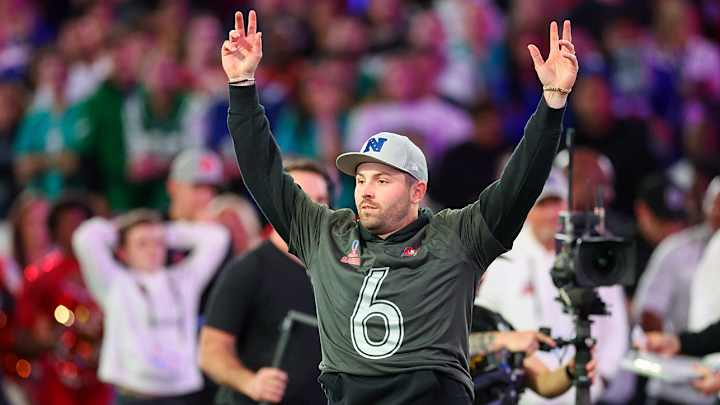
What Is a Viral Fan Moment?
A viral fan moment is an unscripted, emotionally charged reaction from a spectator at a live sporting event that spreads rapidly across the internet. Unlike official highlights, these moments are driven by authenticity rather than athletic skill.
They often feature:
- Shock after a missed call
- Pure joy following a game-winning play
- Heartbreak after a last-second loss
- Unexpected humor caught on camera
What makes these moments powerful is that they feel human. Viewers don’t need to understand the rules of the game to connect with the emotion.
Why Do Viral Fan Moments Spread So Fast?
The speed at which fan moments go viral is not accidental. It’s the result of emotion meeting technology at the perfect time.
Emotionally, humans are wired to respond to faces and reactions. Psychologists call this emotional contagion—the tendency to “catch” feelings from others. When a fan reacts in a way that mirrors how millions feel watching at home, viewers instantly connect.
Technologically, platforms like TikTok, Instagram Reels, and X (formerly Twitter) are optimized to surface content that generates:
- Immediate engagement
- Strong emotional responses
- High replay value
A fan moment that makes people laugh, gasp, or cringe triggers fast likes and shares, signaling algorithms to push it further.
The Role of Smartphones: Everyone Is a Broadcaster Now
Ten years ago, most viral sports moments came from TV broadcasts. Today, the majority originate from fans themselves.
Every stadium is filled with thousands of high-definition cameras—smartphones. A fan sitting in the upper deck can now capture a moment that outperforms professionally produced footage.
What changed?
- Faster mobile internet
- Easy in-app editing
- One-tap sharing
The result is a media environment where anyone can accidentally become an influencer simply by reacting authentically at the right moment.
Real-Life Examples That Truly Broke the Internet
Some viral fan moments are so powerful that they transcend sports entirely.
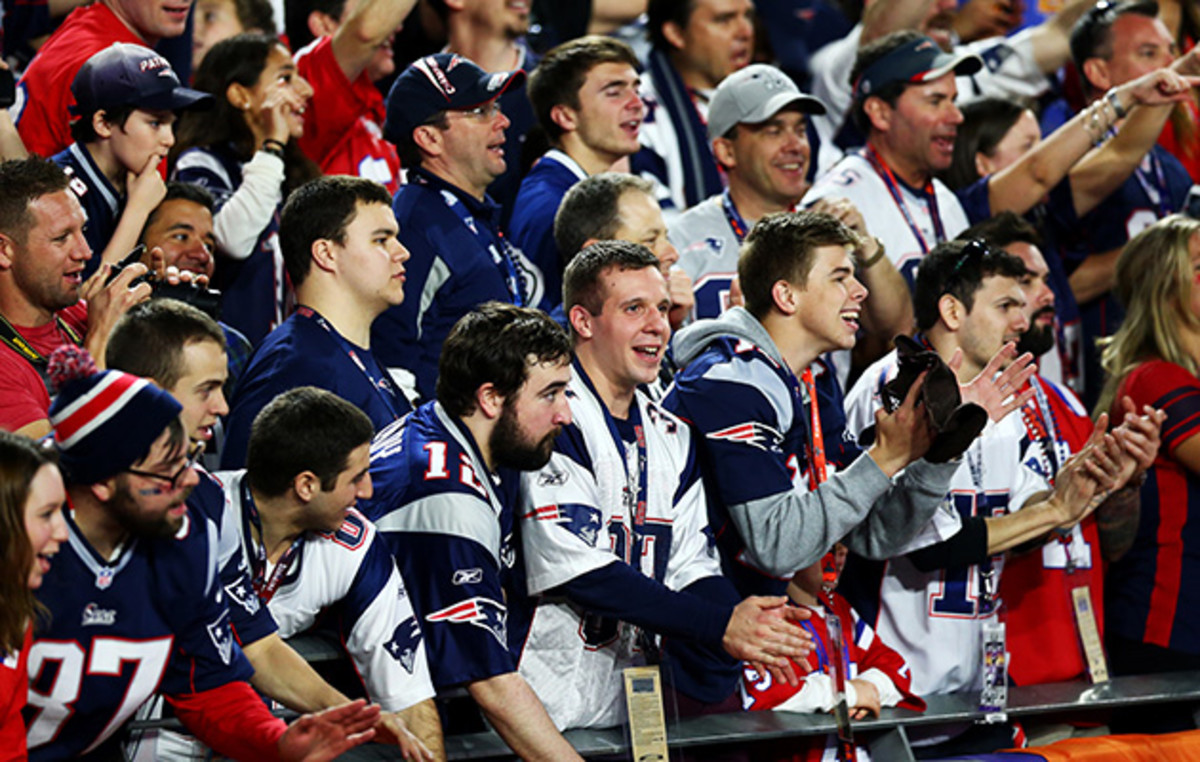
During the Super Bowl, a single crowd reaction shot has been known to generate millions of views within minutes. These moments often become memes before the game even ends, shared by people who may not watch football at all.
In the NBA, courtside fans are frequently in focus. Their proximity to players and referees makes their reactions especially expressive. A shocked face after a controversial call or an over-the-top celebration after a dunk can quickly dominate timelines.
College football adds another layer. Student sections bring unfiltered emotion, creativity, and chaos. Their reactions often feel more genuine than polished broadcasts, making them ideal for viral content.
Why Fans, Not Players, Drive Modern Sports Virality
One surprising trend is that fan moments often outperform athlete highlights online. A spectacular touchdown might get appreciation, but a fan’s raw reaction gets connection.
Why?
- Fans represent the audience
- Their emotions are relatable
- There’s no brand polish
Viewers see themselves in these fans. That sense of “this could be me” fuels sharing behavior.
The Algorithmic Boost: How Platforms Push Fan Content
Social media algorithms are designed to reward content that keeps people engaged. Viral fan moments check every box:
- Short runtime (perfect for loops)
- Strong emotional hook in the first 2 seconds
- Meme potential
Once engagement spikes, the clip is pushed to wider audiences, including users who don’t follow sports accounts. This is how a single fan moment can escape the sports bubble and dominate mainstream culture.
From Viral Clip to Meme Economy
Once a fan moment gains traction, it rarely stays in its original form. Screenshots become reaction images. Short clips become GIFs. Captions are rewritten to fit unrelated situations.
This transformation into meme currency dramatically extends the lifespan of the moment. Instead of lasting a single night, it can resurface for weeks or even years.
How Teams and Brands Capitalize on Viral Fan Moments
Sports organizations now actively monitor social media during games. A viral fan moment represents:
- Free publicity
- Authentic engagement
- Cultural relevance
Teams often repost clips, invite viral fans back, or feature them in promotional content. Brands may jump into comment sections or create quick-response ads inspired by the moment.
When done respectfully, this builds goodwill. When done poorly, it can feel exploitative—something modern audiences are quick to call out.
Can a Viral Fan Moment Change Someone’s Life?
In some cases, yes—but usually temporarily.
Viral fans may experience:
- Sudden follower growth
- Media interview requests
- Brand partnership offers
However, viral fame is short-lived unless intentionally nurtured. Many fans return to normal life within weeks. Those who act quickly—securing usernames, posting follow-ups, and managing their narrative—have better chances of extending the opportunity.
The Downsides: When Virality Becomes Overwhelming
Not every viral moment is positive. Some fans face:
- Online harassment
- Misinterpretation of intent
- Loss of privacy
This is especially concerning when minors or private individuals are involved. As a result, teams and platforms are increasingly aware of the need to protect fans from unwanted exposure.
What Makes One Fan Moment Go Viral While Others Don’t?
There is no guaranteed formula, but viral fan moments often share common traits:
- Clear facial expression
- Immediate emotional payoff
- Universal relatability
- No explanation required
Moments that feel forced or staged rarely achieve the same reach. Authenticity remains the most valuable currency online.
How Viral Fan Moments Are Changing Sports Culture
Sports fandom is no longer passive. Fans now participate knowing they might become part of the story.
This shift has led to:
- More expressive crowds
- Increased in-stadium energy
- Real-time online participation
Games now unfold on two stages: the field and the internet.
Practical Takeaways
For Fans
- Be authentic, not performative
- Respect others’ privacy
- Understand that the internet never forgets
For Teams
- Celebrate fan culture
- Avoid exploiting viral individuals
- Use moments to strengthen community
For Brands
- React quickly but respectfully
- Prioritize humor over sales
- Let fans lead the narrative
Frequently Asked Questions (SEO-Optimized)
1. Why do fan moments go viral faster than game highlights?
Because emotional reactions are more relatable than technical plays and trigger stronger engagement.
2. Are viral fan moments usually staged?
Most viral moments are spontaneous. Staged reactions tend to feel inauthentic and underperform.
3. Which sports generate the most viral fan moments?
Football, basketball, and college sports lead due to emotional intensity and large crowds.
4. Can a viral fan moment lead to long-term fame?
Rarely. Most viral fame is short-lived unless strategically managed.
5. Do teams encourage fans to go viral?
Teams encourage enthusiasm, but viral moments are almost always unplanned.
6. How long does viral attention typically last?
Anywhere from 24 hours to a few weeks, depending on meme longevity.
7. Who owns the rights to viral fan videos?
Fan-recorded videos belong to the creator, while broadcast footage belongs to networks.
8. Why do Americans love crowd reaction videos?
They reflect shared emotion and collective identity, making viewers feel connected.
9. Can negative fan moments also go viral?
Yes, though they often generate controversy rather than celebration.
10. Will viral fan moments keep growing in popularity?
Absolutely. Short-form video and AI-driven discovery ensure continued growth.
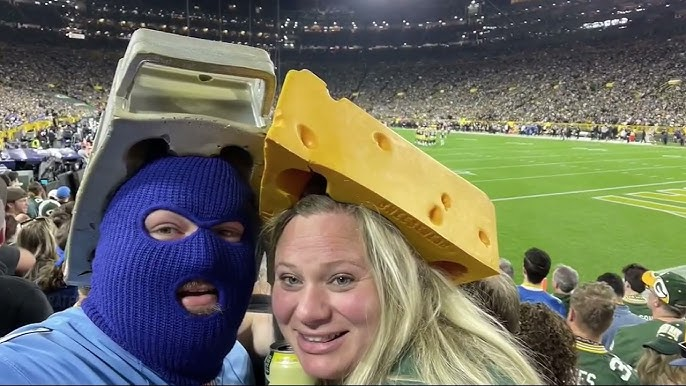
Final Thoughts
A viral fan moment is more than just a clip—it’s a reflection of modern culture. In an era dominated by algorithms and analytics, raw human emotion still wins. These moments remind us why sports matter: not just for what happens on the field, but for how it makes people feel together.
When one fan’s reaction can unite millions across screens, the internet doesn’t just break—it pauses, connects, and shares a collective heartbeat.