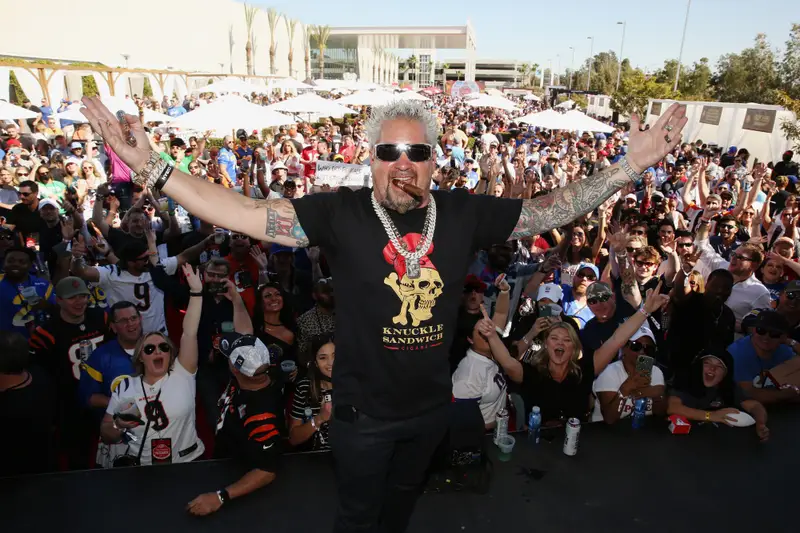
NFL fan culture has evolved from simple local tailgates into a powerful, year-round lifestyle shaped by tradition, technology, and emotion. From parking-lot cookouts to viral social media moments, fans now play a central role in how the league is experienced and remembered. This comprehensive guide explores where NFL fandom began, how it transformed, and why it remains America’s most influential sports culture.
Introduction: Why NFL Fan Culture Matters More Than Ever
On Sundays across the United States, an unmistakable rhythm takes over. Parking lots fill before sunrise. Grills ignite. Jerseys appear in offices, schools, and airports. Conversations revolve around matchups, injuries, and predictions. This ritual is not accidental—it is the product of decades of evolving fan culture surrounding the National Football League.
NFL fan culture is not simply about watching football games. It is about identity, belonging, tradition, and shared emotion. Fans do not casually support NFL teams; they commit to them emotionally, socially, and often generationally. For many Americans, being an NFL fan is part of who they are.
Search trends show Americans consistently asking:
- How did NFL fan culture start?
- Why is tailgating so important to football fans?
- How has social media changed NFL fandom?
- Are today’s NFL fans different from fans 30 years ago?
This article answers those questions in depth, tracing the journey of NFL fandom from early community gatherings to today’s digitally amplified, always-on fan experience.
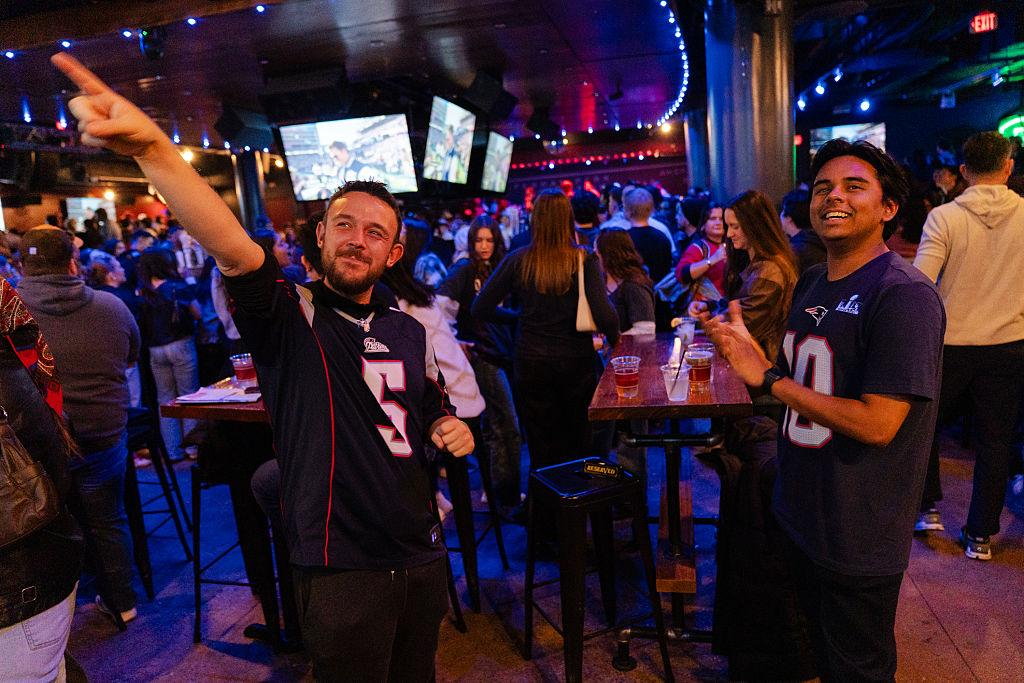
What Is NFL Fan Culture?
NFL fan culture refers to the collective traditions, behaviors, rituals, emotions, and communities formed around professional football fandom in the United States. It extends far beyond the game itself and influences how fans dress, eat, socialize, communicate, and even schedule their lives.
NFL fan culture includes:
- Tailgating and pregame rituals
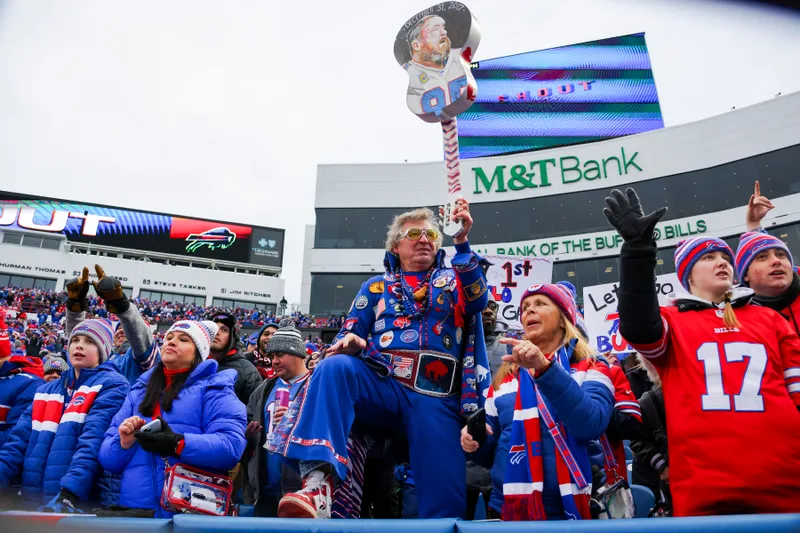
- Stadium chants, signs, and traditions
- Team loyalty passed down through families
- Fantasy football leagues and sports betting
- Online debates, memes, and viral fan moments
At its core, NFL fandom is about belonging. Fans feel connected not only to teams, but to each other.
The Early Roots of NFL Fandom: Community Before Commerce
In the early decades of professional football, fandom was deeply local. Teams represented cities, regions, and working-class communities. Fans followed their teams through newspapers, radio broadcasts, and word of mouth.
Attending a game was a social event, not a luxury experience. Stadiums were basic, seating was simple, and fans stood shoulder-to-shoulder. Loyalty mattered more than comfort.
During this era:
- Fans knew players personally or by reputation
- Team success reflected civic pride
- Supporting the team meant supporting the city
These foundations created emotional bonds that still define NFL fandom today.
How Tailgating Became the Heart of NFL Fan Culture
Tailgating did not begin as a planned tradition. It emerged organically as fans arrived early to secure parking and socialize. Over time, it transformed into one of the most iconic elements of NFL culture.
Today, tailgating is an experience unto itself. For many fans, it is more important than the game.
Modern tailgating often includes:
- Full outdoor kitchens and grills
- Team-themed tents, flags, and games
- Custom menus tied to local identity
- Music, televisions, and social gatherings
Tailgating turned fandom into a shared, inclusive ritual. You do not need a ticket to participate. All you need is team pride.
Stadiums as Cultural Arenas, Not Just Sports Venues
As the NFL grew, stadiums evolved from simple structures into immersive entertainment environments. Teams recognized that fans were not just spectators—they were part of the show.
Modern stadiums are designed to amplify fan energy through:
- Massive video boards capturing crowd reactions
- Music and sound design to drive emotion
- Social spaces encouraging interaction
- Visual storytelling during breaks
Fans became active participants. Their cheers, boos, and reactions shaped the atmosphere—and eventually, the broadcast narrative.
The Super Bowl: Where NFL Fan Culture Reaches Its Peak
The Super Bowl represents the ultimate expression of NFL fan culture. It is no longer just a football game—it is a cultural event.
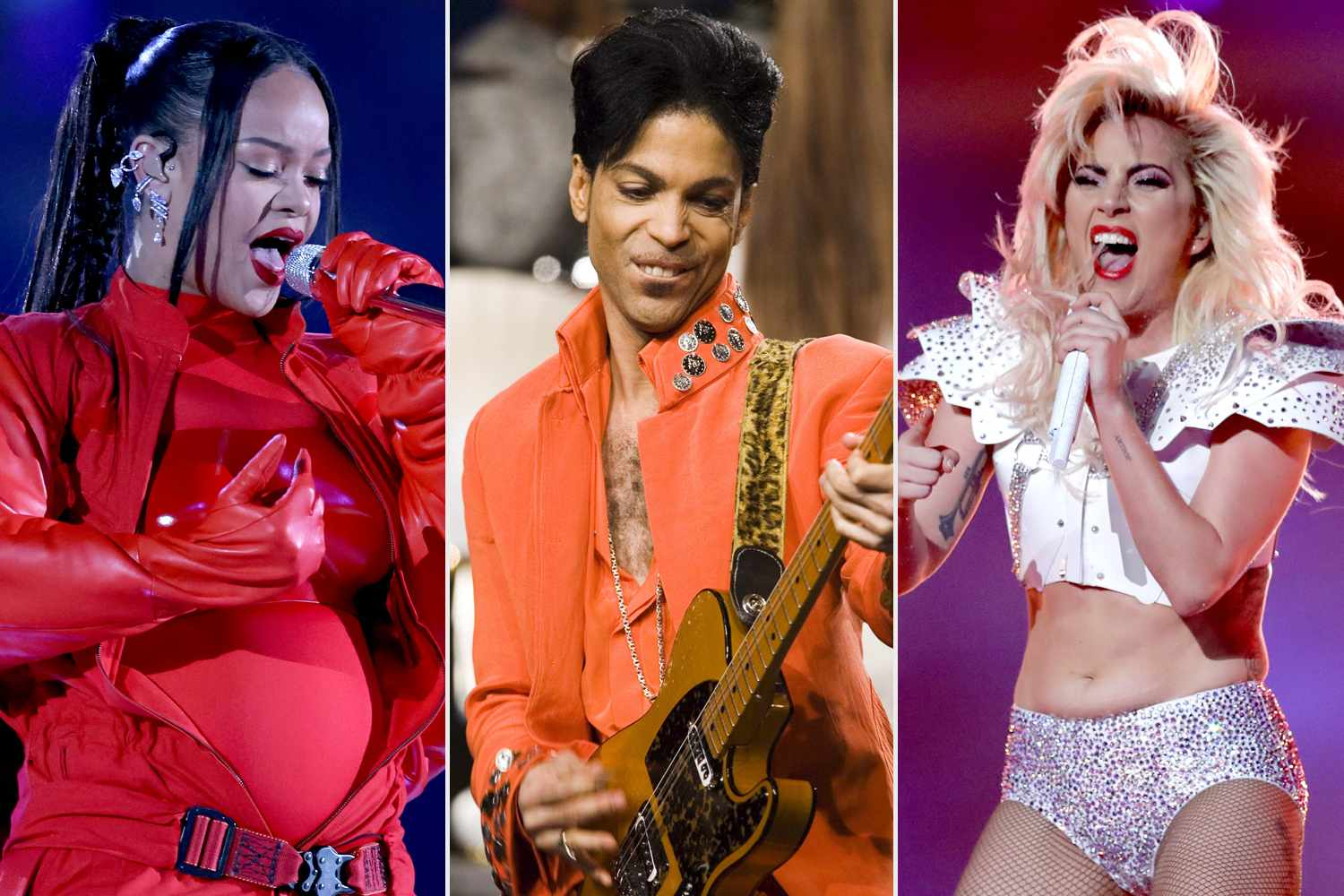
Every year, millions of Americans who rarely watch football tune in. Watch parties become social rituals. Commercial debates dominate conversations. The halftime show reaches audiences far beyond sports fans.
The Super Bowl demonstrates the full power of NFL fandom:
- Casual fans become emotionally invested
- Non-fans participate socially
- The league captures national attention
No other sporting event in the U.S. blends competition, culture, and community on the same scale.
Fantasy Football: When Fans Became Analysts and Strategists
Fantasy football fundamentally changed how fans engage with the NFL. Instead of focusing on one team, fans began tracking players across the entire league.
Fantasy football culture introduced:
- Advanced statistical awareness
- Weekly engagement across all matchups
- Office leagues and social bonding
This shift created a more analytical fan base. Fans debated player usage, coaching decisions, and performance metrics with new intensity. NFL fandom became smarter, louder, and more invested.
The Digital Revolution: How Social Media Transformed NFL Fandom
Before social media, fan conversations were limited to radio shows, newspapers, and personal interactions. Social platforms changed everything.
Today, fans are:
- Content creators
- Commentators
- Meme designers
- Breaking-news amplifiers
Platforms like X, TikTok, Instagram, and Reddit allow fans to react instantly. A single crowd reaction or fan moment can go viral within minutes, shaping how games are remembered.
NFL fandom is now public, immediate, and global.
The Rise of the Always-On NFL Fan
Modern NFL fandom no longer ends when the season does. Fans stay engaged year-round through:
- The NFL Draft
- Free agency
- Training camps
- Podcasts, YouTube, and live streams
This constant engagement strengthens emotional bonds. Fans feel closer to teams and players than ever before.
Merchandise as Identity and Expression
NFL apparel has evolved from game-day clothing into everyday fashion. Jerseys, hats, and hoodies are worn as expressions of identity.
Merchandise now functions as:
- A social signal
- A tribal identifier
- A cultural statement
Retro designs and limited editions have turned team gear into collectibles, especially among younger fans.
Inclusivity and the Changing Face of NFL Fandom
NFL fan culture has become significantly more inclusive. Women, younger audiences, and international fans play a growing role.
The league has expanded its reach through:
- International games
- Global broadcasts
- Youth-focused content
- Diverse marketing campaigns
Fandom is no longer defined by one demographic—it reflects the diversity of modern America.
Pain Points and Frustrations in Modern NFL Fan Culture
Despite its growth, NFL fandom faces challenges.
Common fan concerns include:
- Rising ticket and concession prices
- Fragmented streaming options
- Commercial overload
These issues have shifted how fans experience games, with many opting for watch parties or home viewing instead of stadium attendance.
How the NFL Actively Shapes Fan Culture
The league invests heavily in fan engagement through:
- Digital platforms and apps
- Social media teams
- In-stadium experiences
- Data-driven personalization
Fans are no longer passive consumers—they are partners in the league’s success.
What Makes NFL Fan Culture Unique Compared to Other Sports?
NFL fandom stands apart because:
- Games are weekly events, increasing anticipation
- Each game feels high-stakes
- Rituals are deeply ingrained
This structure creates unmatched emotional intensity and loyalty.
The Future of NFL Fan Culture
Looking ahead, NFL fandom will continue evolving through:
- Augmented and virtual reality viewing
- Personalized broadcasts
- Deeper digital interaction
Yet the foundation will remain unchanged: community, emotion, and shared identity.
Practical Takeaways for Fans
- Embrace tradition while adapting to new platforms
- Respect fellow fans online and offline
- Remember fandom is about connection, not conflict
Frequently Asked Questions (Trending & SEO-Optimized)
1. How did NFL fan culture begin?
It began locally, rooted in community pride and in-person attendance.
2. Why is tailgating such a big part of NFL culture?
It transforms game day into a shared social ritual beyond the stadium.
3. How has social media changed NFL fandom?
It made fandom instant, public, and participatory.
4. Is NFL fan culture stronger than other sports?
In the U.S., it is widely considered the most influential.
5. What role does fantasy football play in fan engagement?
It keeps fans involved weekly and across the entire league.
6. Why do fans identify so strongly with NFL teams?
Teams represent city pride, tradition, and personal identity.
7. Has NFL fan culture become more inclusive?
Yes, significantly over the last two decades.
8. How do younger fans engage differently?
They favor highlights, memes, and social media interaction.
9. Are stadium experiences still important?
Yes, but many fans now balance them with at-home viewing.
10. What’s next for NFL fan culture?
Greater personalization, technology integration, and global reach.
Final Thoughts
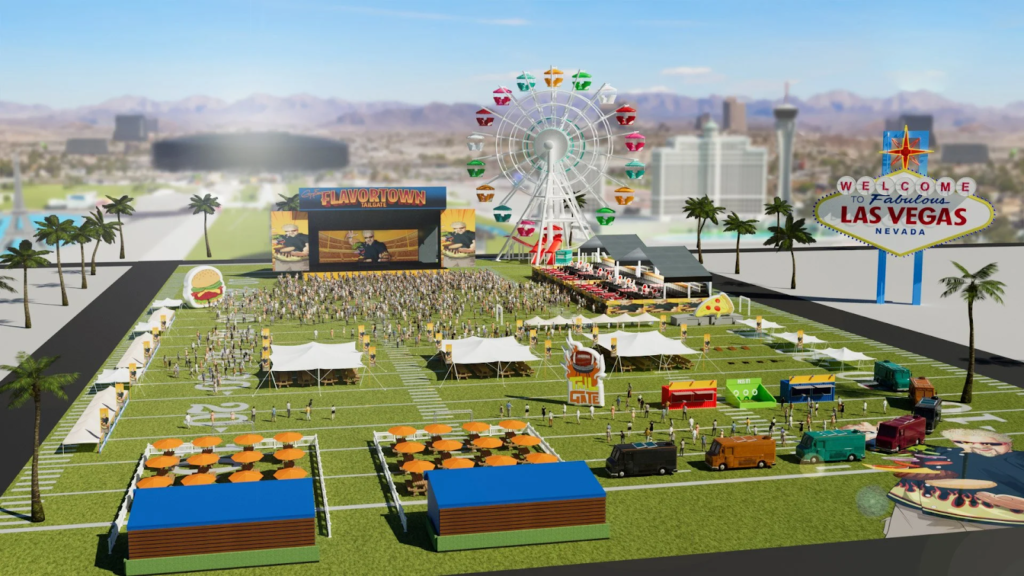
From smoky parking lots to viral digital moments, NFL fan culture has grown into a defining element of American life. While technology continues to reshape how fans engage, the heart of fandom remains unchanged: loyalty, emotion, and shared experience.
The journey from tailgate to touchdown is not just about football—it is about community. And as long as that community exists, NFL fan culture will continue to evolve, thrive, and define what it means to be a fan in America.