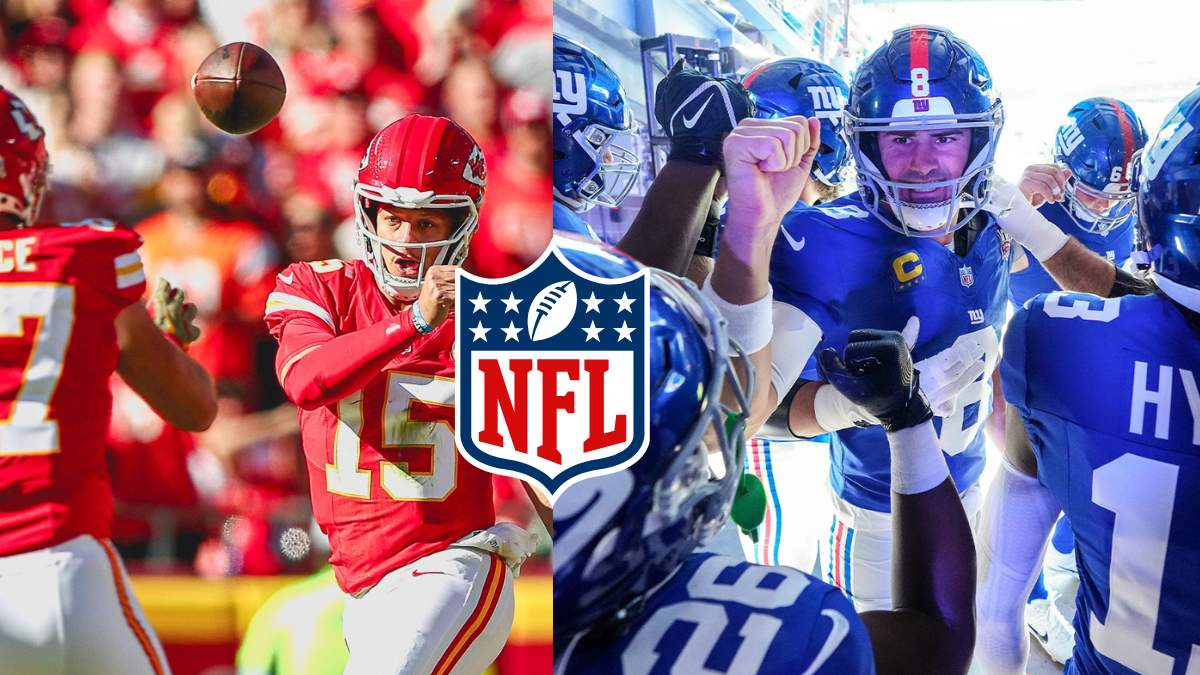
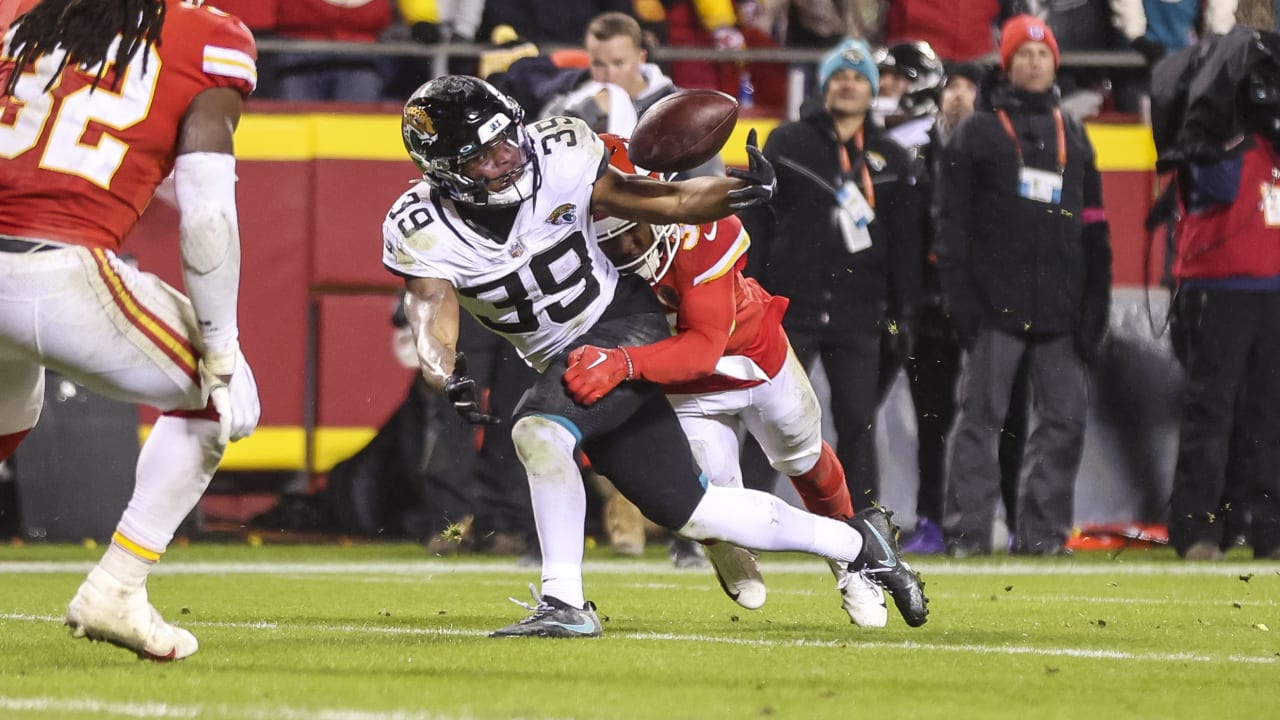
Every season produces a dominant contender that looks unbeatable—until the biggest moment arrives. History shows that certain teams repeatedly fail under pressure due to psychological weight, structural flaws, and unresolved patterns. This in-depth analysis explains why past behavior is one of the strongest predictors of future collapse, using real-world sports examples, data trends, and performance psychology to reveal why “this time is different” so often isn’t.
Introduction: The Familiar Story Fans Never Want to Hear
Every year, fans convince themselves that history no longer applies.
The team looks different. The roster feels deeper. The star player is older, wiser, stronger. Analysts repeat the phrase everyone wants to hear: “This team is built differently.”
And yet, when the moment arrives—playoffs, championship game, elimination match—the same story unfolds. The execution tightens. Mistakes multiply. Confidence drains away. What looked inevitable suddenly feels fragile.
This isn’t superstition. It isn’t pessimism. It’s pattern recognition.
Across decades of competition in the National Football League and other elite sports leagues, teams with repeated high-stakes failures rarely escape those outcomes without profound change. History doesn’t predict scores, but it predicts behavior under pressure.
Fans are increasingly searching:
- Why do great teams choke in big games?
- Does history really repeat itself in sports?
- Why do favorites collapse when it matters most?
- Can a team escape a losing pattern?
This article answers those questions by showing why history strongly suggests this team will fail when it matters most, and why ignoring precedent almost always leads to heartbreak.
Why History Is the Most Reliable Context in Sports
Why does history matter more than fans want to admit?
Sports culture celebrates reinvention. Every season is marketed as a reset. Records start at zero. Optimism returns.
But teams don’t reset psychologically.
They carry:
- Organizational habits
- Coaching tendencies
- Emotional memory
- Public expectation
History isn’t destiny, but it is pressure conditioning. When teams face familiar high-leverage situations, their responses are shaped by past experiences—especially failures.
This is why the same mistakes appear again and again when the stakes rise.
The Illusion of the Clean Slate
Why do fans believe past failures don’t matter?
Because hope feels better than caution.
Every offseason delivers reasons to believe:
- New coordinators
- Upgraded talent
- Improved analytics
- Leadership speeches
But surface changes rarely override deep patterns.
Unless a team fundamentally changes:
- Its leadership style
- Its decision-making under stress
- Its organizational culture
The same pressure produces the same response.
History shows that teams don’t fail because they remember losing. They fail because they fear repeating it.
When Failure Becomes a Pattern, Not an Accident
How many times does failure need to repeat to matter?
Once is misfortune. Twice raises eyebrows. Three times establishes identity.
When teams consistently:
- Lose close playoff games
- Blow late leads
- Commit uncharacteristic mistakes in big moments
- Play conservatively under pressure
That’s no longer randomness. That’s behavioral conditioning.
Pressure doesn’t create weakness. It exposes it.
Expectations Are a Hidden Opponent
Why do expectations make teams worse?
Because expectation shifts motivation.
Teams chasing success play aggressively. Teams defending expectation play cautiously.
History shows that heavily favored teams often:
- Avoid risk
- Protect reputation
- Play not to lose
Underdogs play with freedom. Favorites play with fear.
This imbalance explains why “better” teams lose to “worse” ones when the moment is biggest.
The Psychological Weight of Past Failure
Can memory affect performance?
Yes—and decisively.
Sports psychology demonstrates that repeated failure under pressure creates:
- Anticipatory anxiety
- Reduced reaction speed
- Overthinking
- Muscle tension
When a team with historical baggage faces adversity, doubt arrives faster. Players don’t just react to the game—they react to memory.
That memory gets loud late.
Structural Flaws That History Keeps Revealing
Why do the same problems resurface every postseason?
Because regular seasons hide flaws.
Dominant teams often:
- Play from ahead
- Face limited adversity
- Win without adjustment
But the postseason removes comfort.
History reveals that repeat failures often share:
- Overreliance on one strategy
- Inflexible game plans
- Poor late-game execution
- Difficulty responding to momentum swings
These issues don’t disappear just because confidence is high.
Coaching History Is More Predictive Than Talent
Do coaches really repeat mistakes?
Under pressure, yes.
Coaches revert to instinct when stress peaks. That instinct is built over years—not weeks.
History shows that coaches who:
- Mismanage clocks
- Become conservative late
- Struggle with in-game adjustments
Rarely change behavior under maximum pressure.
Expecting transformation without evidence is optimism—not analysis.
Star Players and the Burden of Legacy
Why do elite players sometimes disappear in big moments?
Because greatness magnifies expectation.
Star players carry:
- Media narratives
- Fan pressure
- Legacy debates
In high-stakes moments, some elevate. Others tighten.
History shows that players who struggle early under pressure often:
- Force throws
- Rush decisions
- Abandon fundamentals
The moment doesn’t break them—the fear of failure does.
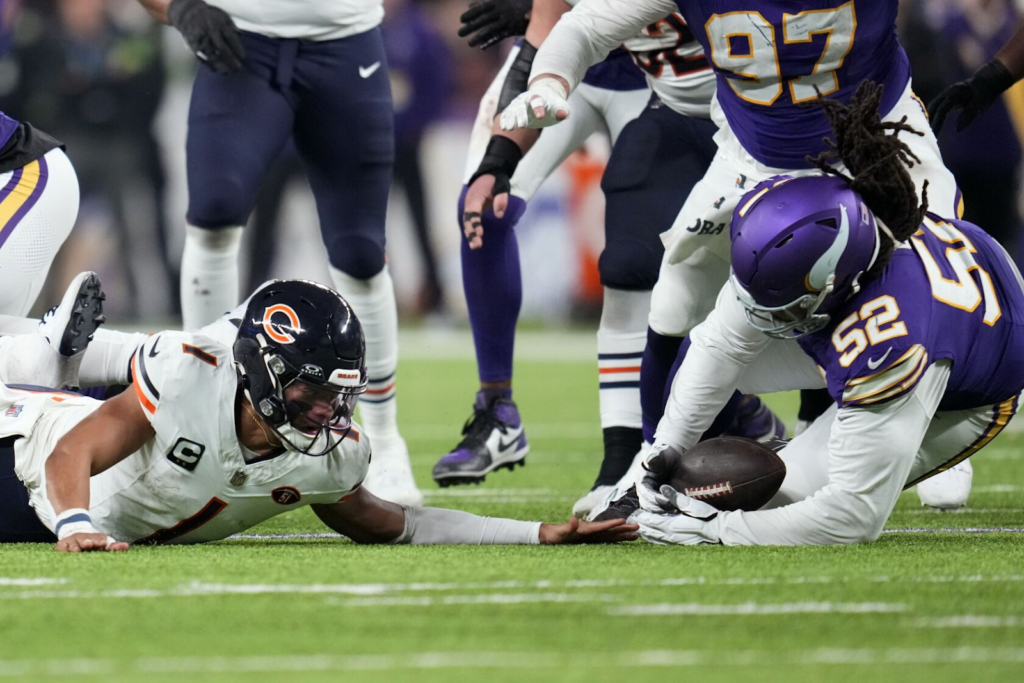
Stress Creates Turnovers, Penalties, and Errors
Why do disciplined teams suddenly make mistakes?
Because stress degrades execution.
Under pressure:
- Decision speed increases
- Precision decreases
- Discipline slips
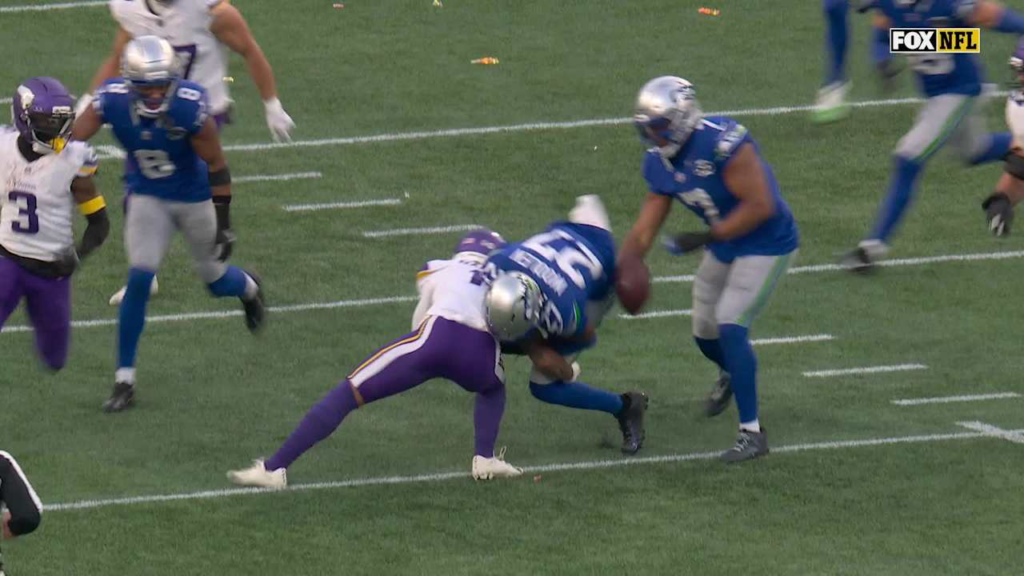
History shows that teams prone to failure often:
- Commit untimely penalties
- Turn the ball over late
- Miss assignments they never miss in low-pressure games
These are not anomalies. They are symptoms.
Momentum Is Psychological, Not Mystical
Why does momentum flip so fast against certain teams?
Momentum is belief.
Teams without historical baggage absorb adversity. Teams with it fear repetition.
Once doubt enters:
- Body language changes
- Aggression fades
- Errors multiply
History determines how teams respond when control slips.
Media Narratives Reinforce Pressure
Does media attention actually matter?
Indirectly, yes.
Persistent narratives about:
- “Choking”
- “Can’t win the big one”
- “This is their year”
Create an environment where:
- Mistakes feel catastrophic
- Confidence erodes faster
- Focus narrows
Teams don’t play in isolation. They play inside expectation.
Why Fans Are Always Shocked—and Shouldn’t Be
Every collapse feels surprising in the moment.
But in hindsight, fans recognize:
- The warning signs were there
- The pattern was familiar
- The pressure response was predictable
History didn’t guarantee failure. It warned of risk.
Warning Signs History Says Fans Should Never Ignore
- Repeated playoff losses in close games
- Conservative late-game decision-making
- Emotional reactions to adversity
- Media obsession with “proving it”
- Overconfidence masking adaptability issues
When these align, history becomes a forecast—not a footnote.
Practical Takeaways for Fans and Analysts
- History highlights risk, not certainty
- Pressure reveals behavior, not talent
- Structural flaws matter more than optimism
- Coaching tendencies rarely change under stress
- Confidence without adaptability is fragile
Understanding history doesn’t eliminate hope—it sharpens expectations.
Frequently Asked Questions (Trending Search Queries)
1. Why do great teams fail when it matters most?
Because pressure exposes psychological and structural weaknesses.
2. Does history really repeat itself in sports?
Not exactly—but patterns under pressure often reappear.
3. Can teams overcome a history of failure?
Yes, but usually only after deep cultural or leadership change.
4. Do expectations hurt performance?
High expectations increase pressure, which can reduce execution quality.
5. Why do favorites choke more than underdogs?
Underdogs play free; favorites play not to lose.
6. Is coaching history important in big games?
Yes. Coaches revert to instinct under stress.
7. Are turnovers linked to pressure?
Strongly. Stress increases mistakes and rushed decisions.
8. Can media narratives affect players?
Indirectly, sustained scrutiny increases mental load.
9. Should fans trust dominant regular seasons?
Only with context—dominance can hide flaws.
10. What’s the biggest sign of an upcoming collapse?
Fear of repeating past failures once adversity hits.
Final Thoughts: History Doesn’t Shout—It Whispers
History rarely announces outcomes loudly. It whispers patterns.
When a team has repeatedly shown that it struggles under the brightest lights, history isn’t cruel—it’s honest.
The biggest collapses in sports almost never come out of nowhere. They follow paths fans choose not to see.
Ignoring history doesn’t make it disappear.
It only makes the moment hurt more when it repeats itself.