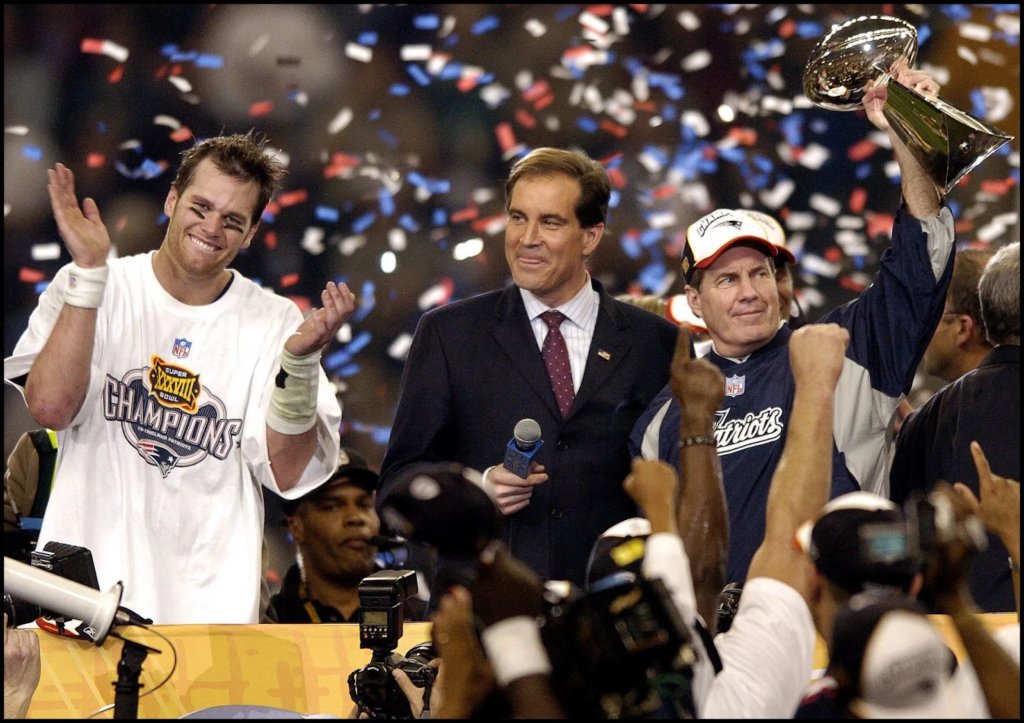
Every Super Bowl favorite looks unbeatable—until the pressure, matchups, and momentum of the biggest night expose hidden flaws. History shows that dominance in the regular season often creates blind spots that surface under championship stress. This in-depth analysis explains why a heavily favored team in Super Bowl LX could unravel, using real Super Bowl collapses, psychology, coaching trends, and situational football lessons.
Introduction: When Certainty Becomes the Greatest Weakness
Every Super Bowl week feels familiar. Analysts lock in their picks. Fans argue over stats. Betting lines harden. One team emerges as the favorite—dominant record, elite quarterback, explosive offense, or suffocating defense. The narrative forms quickly: This team is simply better.
But history has never been kind to certainty.
The Super Bowl is not a continuation of the regular season. It is a single, high-pressure event where preparation meets chaos, where emotion collides with expectation, and where the smallest cracks widen into defining failures.
Search trends in the United States consistently show fans asking:
- Why do Super Bowl favorites choke?
- What causes dominant teams to collapse in the Super Bowl?
- Is pressure more dangerous than talent gaps?
This article answers those questions with depth, clarity, and real-world context. It explains why this year’s Super Bowl favorite—no matter how dominant—might collapse on the biggest stage, and why that collapse is rarely accidental.
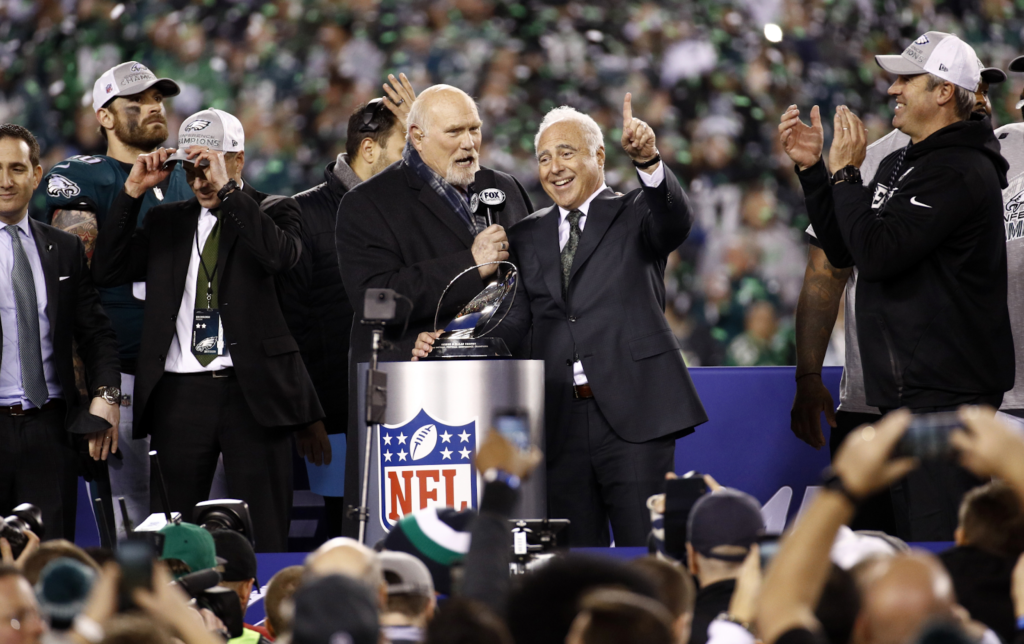
Regular-Season Dominance Creates a Dangerous Illusion
Why doesn’t regular-season success guarantee Super Bowl success?
The NFL regular season rewards consistency. The Super Bowl punishes predictability.
A dominant regular-season team usually excels because:
- Its system overwhelms average opponents
- Its weaknesses are rarely tested
- It controls game scripts early and often
But the Super Bowl is different. It is the only game where the opponent has two full weeks to study tendencies, isolate weaknesses, and design an entire strategy around one goal: breaking what worked all year.
History is filled with examples:
- A perfect season undone by relentless pressure
- A record-setting offense neutralized by physical defense
- A dominant team exposed once forced out of its comfort zone
Regular-season success can mask flaws instead of eliminating them. When those flaws surface in the Super Bowl, there is no time to recover.
Pressure Is Uneven—and Favorites Carry the Heaviest Load
Why does being the favorite increase psychological risk?
Pressure in football is not abstract. It affects breathing, reaction time, decision-making, and muscle tension. Sports psychology research consistently shows that expectation increases cognitive load, especially in high-stakes environments.
Super Bowl favorites face:
- Legacy narratives
- Media inevitability
- Fan expectation of domination
- Fear of becoming “that team” that blew it
Underdogs face something entirely different: permission to fail.
This imbalance matters. When adversity hits—as it always does in the Super Bowl—favorites often tighten up. Play-calling becomes conservative. Execution becomes careful instead of decisive.
History shows that many Super Bowl collapses begin not with a mistake, but with hesitation.
Coaching Rigidity: When Identity Becomes a Liability
Why do elite coaches struggle to adjust in Super Bowls?
Elite teams reach the Super Bowl by mastering an identity. That identity becomes sacred. The danger arises when coaches trust the system more than the moment.
In the Super Bowl:
- Opponents remove primary options
- Familiar looks disappear
- Game flow becomes unpredictable
When Plan A fails, some teams hesitate to pivot. Abandoning what worked all year feels like panic—even when adaptation is required.
This rigidity is especially dangerous for favorites because:
- They rarely need deep adjustments during the season
- Their confidence is built on repetition, not improvisation
- Deviating feels like admitting vulnerability
Super Bowls reward flexibility over brilliance. Favorites often learn that lesson too late.
Emotional and Mental Fatigue: The Hidden Cost of Being Elite
Can a dominant team be exhausted before kickoff?
Yes—and not physically.
Favorites spend the entire season under a microscope. Every opponent plays them like a playoff game. Every mistake becomes headline news. Every win reinforces pressure to be perfect again next week.
By Super Bowl week:
- Emotional reserves are lower
- Focus becomes harder to sustain
- Small distractions feel heavier
Underdogs peak late. Favorites endure all year.
This mental fatigue shows up subtly:
- Slower recognition on defense
- Slight hesitation in reads
- Missed assignments in high-leverage moments
In a game decided by inches, fatigue does not need to be dramatic to be decisive.
Matchup Blind Spots Decide Championships
Why does one weakness often determine the Super Bowl?
The Super Bowl is not about total strength—it is about specific conflict.
A favorite may dominate 95% of situations yet lose because of:
- One vulnerable cornerback
- A slow linebacker matched against speed
- An offensive line weakness under pressure
Opponents isolate and exploit these flaws relentlessly. They do not seek balance. They seek discomfort.
Favorites often miss these blind spots because:
- They rarely face sustained exploitation during the season
- Their overall talent compensates for weaknesses
- Metrics hide extremes behind averages
The Super Bowl removes the safety net.
Turnovers: Why Favorites Have Less Margin for Error
Why are turnovers more damaging to favorites?
Statistically, teams that win the turnover battle win roughly four out of five Super Bowls in the modern era. For favorites, turnovers are especially destructive because they:
- Validate the underdog’s belief
- Instantly flip momentum
- Force the favorite out of preferred game scripts
An early interception or fumble does more than cost points—it changes psychology. Confidence turns into urgency. Urgency turns into forcing plays.
Favorites are built to control games. When control disappears, discomfort follows.
The Quarterback Legacy Trap
Do star quarterbacks feel more pressure than others?
Super Bowl quarterbacks do not just play opponents—they play history.
Favorites often rely on elite quarterbacks whose legacies are already being debated. Every throw is scrutinized. Every decision is framed as defining.
This pressure creates risk:
- Quarterbacks press instead of trust reads
- Mechanics subtly break down
- Decision speed exceeds comfort
Some of the worst Super Bowl performances by great quarterbacks occurred not because of lack of talent, but because the moment demanded perfection—and punished impatience.
Momentum: Why Favorites Struggle Once It Shifts
Why do underdogs thrive when momentum flips?
Momentum in football is emotional, not statistical.
When an underdog lands the first punch:
- Sideline energy spikes
- Risk tolerance increases
- Confidence spreads rapidly
Favorites often respond differently:
- They wait for momentum to return
- They rely on talent instead of aggression
- They hesitate to take calculated risks
Super Bowls rarely allow patience. Once momentum shifts, it must be taken back, not waited out.
Halftime: The Most Misunderstood Turning Point
Why does halftime often favor the underdog?
Favorites usually enter halftime thinking about preservation. Underdogs think about reinvention.
Trailing teams adjust aggressively:
- Change tempo
- Alter coverage
- Increase risk
Favorites often stay close to the original plan, assuming quality will prevail.
Many Super Bowls are not decided in the fourth quarter—but in the first ten minutes after halftime.
Late-Game Situational Football Exposes Weaknesses
Why do favorites struggle in close Super Bowl finishes?
Close games neutralize talent. What remains is execution.
Late-game failures often involve:
- Clock mismanagement
- Conservative play-calling
- Poor timeout usage
- Protection breakdowns
Favorites accustomed to leading may lack repetition in desperation scenarios. Underdogs, accustomed to chasing, often execute with sharper urgency.
The Super Bowl magnifies every situational mistake.
Warning Signs Fans Ignore Before the Super Bowl
- Overreliance on one offensive identity
- Limited experience playing from behind
- Coaching staffs with low Super Bowl adaptability
- Regular-season blowouts masking situational flaws
- Media narratives framing victory as inevitable
None guarantee collapse—but together, they create vulnerability.
Practical Takeaways for Fans and Analysts
- Talent does not equal inevitability
- Pressure alters decision-making
- Flexibility beats perfection
- Matchups matter more than averages
- Super Bowls reward resilience, not dominance
Understanding these factors transforms prediction into insight.
Frequently Asked Questions (Trending Search Queries)
1. Why do Super Bowl favorites lose so often?
Because pressure, matchup exploitation, and one-game variance neutralize regular-season advantages.
2. Is being the favorite actually a disadvantage?
Psychologically, yes. Expectations increase stress and reduce creativity.
3. What is the most common reason favorites collapse?
Inflexibility—both mental and strategic.
4. Do turnovers matter more in the Super Bowl?
Yes. Momentum swings are amplified on the biggest stage.
5. Are underdogs more relaxed in Super Bowls?
Typically yes, which often leads to sharper execution.
6. How important are halftime adjustments?
Extremely. Many Super Bowls are decided early in the third quarter.
7. Do elite quarterbacks feel more pressure?
Yes. Legacy narratives intensify stress and scrutiny.
8. Is regular-season dominance overrated?
In one-game championships, often yes.
9. Can coaching outweigh talent in the Super Bowl?
Frequently. Strategy and adaptability often decide outcomes.
10. What should fans watch for early?
Body language, aggressiveness, and response to adversity.
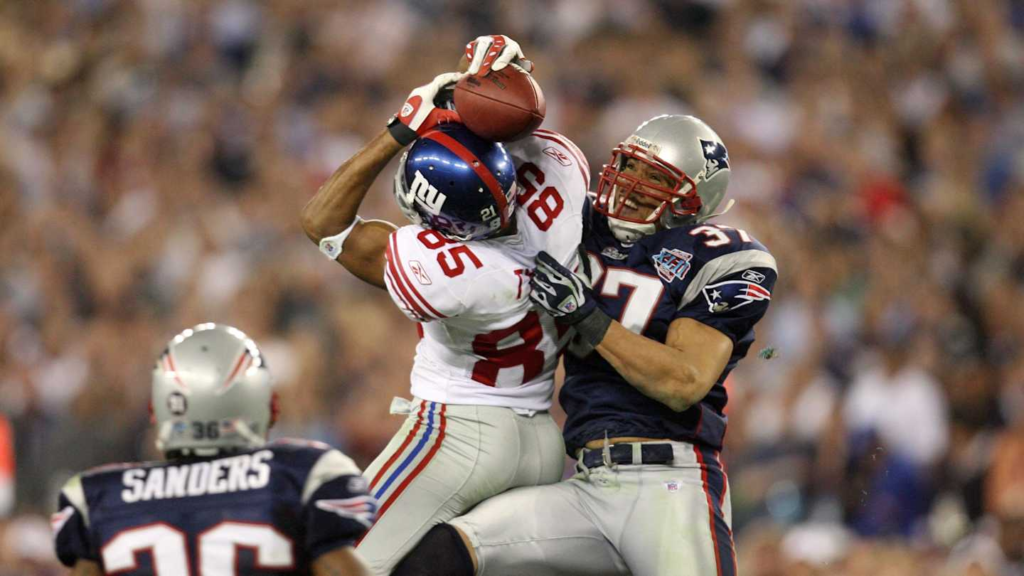
Final Thoughts: Dominance Is Fragile
Every Super Bowl favorite looks unbeatable—until the moment tests them. Collapse does not arrive loudly. It arrives quietly, through hesitation, rigidity, and the weight of expectation.
The Super Bowl does not reward the best team on paper. It rewards the team most willing to adapt, suffer, and remain fearless when inevitability disappears.
That is why the favorite—no matter how dominant—can fall.