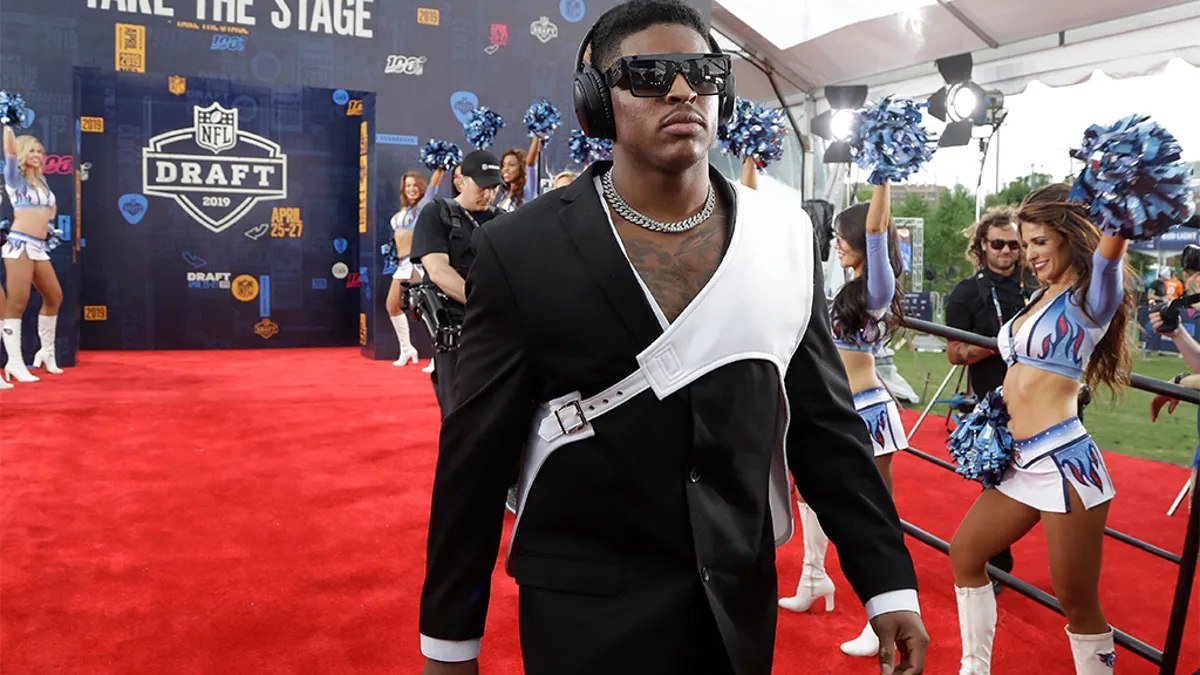
In the modern NFL, fame no longer waits for Pro Bowl seasons. One rookie’s rapid rise through social media, endorsements, and pop culture has made him a household name before his stat line catches up. This long-form analysis explains how NIL, branding, and digital culture created this moment, why teams are conflicted, and what it means for the future of NFL stardom.
Introduction: When Celebrity Arrives Before Credibility
Not long ago, NFL rookies entered the league in near anonymity. Even first-round picks spent months proving themselves before the spotlight truly found them. Fame was earned slowly, often painfully, and usually only after production made it unavoidable.
That timeline has collapsed.
Today, an NFL rookie can arrive already famous—recognized not for touchdowns or tackles, but for social media presence, fashion appearances, celebrity friendships, and endorsement campaigns. Fans see him everywhere: commercials, red carpets, viral clips. Then they check the box score and pause.
How did this rookie become more famous off the field than on it?
That question is now being asked repeatedly across American sports media, social platforms, and fan forums. It reflects something deeper than curiosity—it signals a structural shift in how NFL stardom is created.
At the center of this evolution is the National Football League, a league that still sells itself on toughness and tradition, but now operates inside a digital culture that rewards personality, access, and visibility faster than performance.
This article breaks down that shift—without hype, without moral panic—by explaining why this rookie’s off-field fame exists, how it was built, and what it means for fans, teams, and the future of football.
How the NFL Rookie Experience Has Fundamentally Changed
For decades, the NFL rookie experience followed a predictable arc:
- Draft night excitement
- Quiet training camp
- Minimal media exposure
- Gradual recognition through performance
That arc has been shattered by three forces: social media, NIL, and branding-first representation.
Modern rookies now arrive with:
- Established personal brands
- Professional content teams
- Endorsement experience from college
- Agents focused on visibility as much as contracts
In other words, football careers now begin inside an attention economy. The game is still the foundation—but it’s no longer the sole gateway to fame.
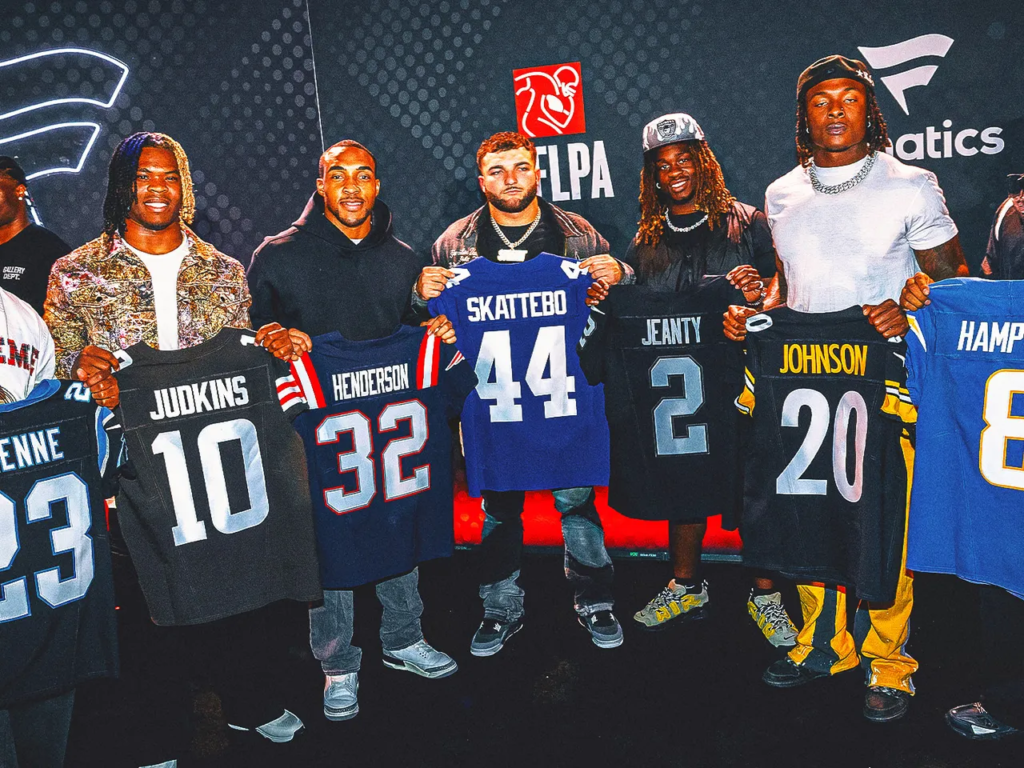
Why This Rookie’s Off-Field Fame Is Exploding
This rookie didn’t accidentally become famous. His visibility is the result of alignment between timing, personality, and platform.
His off-field popularity has been driven by:
- Viral short-form video clips
- Fashion and lifestyle coverage
- Celebrity cross-exposure
- Non-football brand endorsements
Unlike traditional NFL marketing, none of this requires Sunday success. Attention flows independently of the scoreboard.
The result is a paradox fans aren’t used to: recognition without résumé.
The NIL Era Changed the Pipeline Forever
Name, Image, and Likeness rules rewired college football—and the effects are now fully visible in the NFL.
Under NIL, elite college athletes learned to:
- Negotiate brand deals
- Curate social feeds strategically
- Speak to audiences beyond football fans
- Monetize personality, not just performance
By the time some rookies are drafted, they’ve already lived inside the spotlight. The NFL isn’t introducing fame—it’s inheriting it.
This rookie didn’t “blow up” after entering the league. He carried momentum with him.
Why Fans Are So Divided About This Rookie
Public reaction to this kind of fame tends to split down generational and philosophical lines.
Supporters argue:
- This is smart career management
- NFL careers are short—maximize value early
- Personality builds fan connection
Critics counter:
- Focus should come before fame
- Branding without production feels premature
- Football credibility should come first
Neither side is entirely wrong. They’re arguing from different versions of what NFL success used to mean versus what it’s becoming.
The Locker Room Perspective Fans Rarely Hear
Inside NFL locker rooms, fame isn’t automatically respected—or resented.
Veteran players generally evaluate rookies on:
- Preparation
- Accountability
- Willingness to learn
- Consistency
Followers, endorsements, and cameras don’t matter if the rookie shows up early, studies the playbook, and handles correction.
Problems only arise when off-field attention begins to interfere with on-field responsibility.
Why Teams Quietly Welcome Marketable Rookies
Publicly, teams stress “football first.” Privately, they understand economics.
A highly visible rookie can:
- Increase jersey sales
- Boost social engagement
- Attract sponsors
- Expand the franchise’s cultural footprint
In a league built on revenue sharing and brand growth, attention has value. Teams just prefer that value remain additive, not distracting.
The Risk: Fame That Outpaces Development
Here’s the concern coaches won’t say on record.
When a rookie becomes famous before becoming reliable:
- Pressure increases exponentially
- Mistakes are magnified
- Confidence can harden into entitlement
The NFL learning curve is already steep. Add constant cameras, and growth can slow—or fracture.
This is why some staffs quietly limit media obligations early, even when the league benefits from exposure.
When Off-Field Fame Actually Helps
History shows off-field visibility isn’t inherently harmful.
In some cases, it:
- Builds confidence
- Provides financial security
- Reduces anxiety about career length
- Allows players to control narratives
When paired with discipline and mentorship, fame can empower rather than distract.
When It Goes Wrong: The Cautionary Pattern
There are also clear cautionary patterns.
Problems tend to emerge when:
- Branding replaces preparation
- Entourages outgrow accountability
- Public image becomes more important than performance
In these cases, careers stall not because of talent—but because focus fragments.
NFL teams remember these outcomes vividly, which is why they’re cautious even when revenue is tempting.
Social Media Is the New Playing Field
This rookie’s rise wasn’t driven by interviews or press conferences. It was built on platforms.
Social media rewards:
- Authenticity
- Consistency
- Personality
- Access
Fans now feel like participants, not spectators. That connection builds loyalty—but also expectation. The rookie isn’t just performing for coaches; he’s performing for millions.
Why the NFL Can’t—and Won’t—Stop This
The league has no practical way to suppress off-field fame.
Players are independent contractors.
Platforms are global.
Fans reward content instantly.
Trying to control this would only backfire. Instead, teams now focus on guidance, structure, and boundaries.
How Coaches and Teams Try to Protect Young Stars
Successful organizations don’t fight fame—they manage it.
Common strategies include:
- Media training early in the rookie year
- Veteran mentorship pairings
- Clear time-management expectations
- Firm accountability standards
The message is consistent: Brand growth is fine—as long as football remains the priority.
The Financial Reality Fans Often Overlook
The average NFL career lasts just over three years.
For rookies, off-field income:
- Provides stability
- Reduces pressure to rush injuries
- Creates post-football options
From that perspective, branding isn’t vanity—it’s risk management.
Why Fans Feel Uneasy Watching This Happen
Fans invest emotionally in performance. When visibility arrives before production, it feels backwards.
Ads before touchdowns.
Interviews before impact plays.
Fame before proof.
But that discomfort reflects a shifting economy—not a lack of effort.
Is This Rookie a Glimpse of the NFL’s Future?
Almost certainly.
The next generation of NFL stars will:
- Arrive brand-ready
- Build audiences alongside playbooks
- Navigate fame as part of development
Football remains the core—but stardom now has multiple entry points.
What Real Success Looks Like for This Rookie
Long-term success doesn’t require choosing fame or football.
It requires:
- On-field growth catching up to visibility
- Fame amplifying performance, not replacing it
- Discipline anchoring opportunity
When those align, the result is a modern NFL superstar—one built for both eras.
Key Takeaways for Fans
- Off-field fame now begins before NFL success
- NIL permanently changed the pipeline
- Teams see branding as both asset and risk
- Discipline determines outcome
- This trend will accelerate, not fade
Understanding this context helps fans see modern rookies not as distractions—but as products of a new system.
Top 10 Trending FAQs Americans Are Asking
1. Why is this NFL rookie already so famous?
Social media, NIL exposure, and early brand strategy.
2. Is off-field fame bad for rookies?
Only if it interferes with preparation and accountability.
3. Do NFL teams encourage player branding?
Yes, but within structured boundaries.
4. Can fame hurt on-field development?
Yes, without discipline and mentorship.
5. How much can rookies earn off the field?
In some cases, millions through endorsements.
6. Do veterans resent famous rookies?
Only when fame replaces effort.
7. Is this becoming normal in the NFL?
Yes—and increasingly so.
8. Did NIL rules cause this shift?
Absolutely.
9. Will this trend slow down?
No—it will accelerate.
10. What matters most for long-term success?
On-field performance paired with off-field discipline.