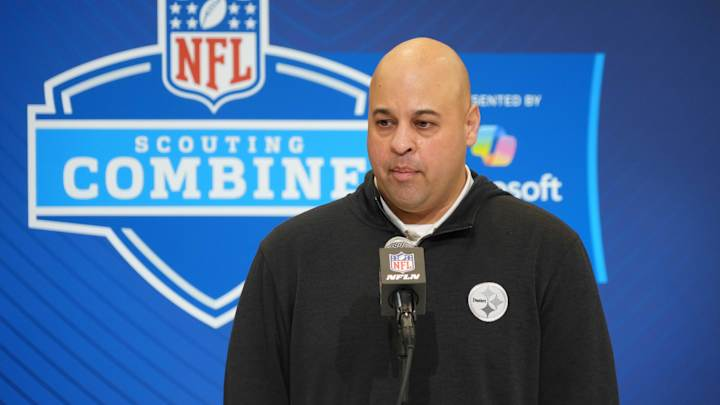
Behind the scenes, NFL teams are quietly locked in a high-stakes war to secure the next franchise quarterback. From covert scouting missions and misleading draft leaks to analytics-driven evaluations and strategic roster decisions, this in-depth exposé reveals how quarterback scarcity fuels secret competition—and why landing the right QB can define a franchise’s success for the next decade.
Introduction: The Quiet War Fans Rarely See
Every NFL season tells two stories. One unfolds on Sundays under stadium lights. The other happens in silence—inside front offices, draft rooms, and scouting departments long before kickoff.
Insiders across the league agree on one thing: NFL teams are secretly fighting for the next franchise quarterback.
This battle isn’t loud. It doesn’t trend on game day. It takes place through private workouts, coded language in press conferences, leaked rumors, and internal debates that can last for months.
Search behavior reflects growing fan awareness. Americans are asking:
- Which teams are desperate for a quarterback?
- Are NFL teams secretly tanking for a QB?
- Who will be the next elite franchise quarterback?
The answers lie within the modern National Football League, where the quarterback position has become the most valuable asset in professional sports.
Why the Franchise Quarterback Is the NFL’s Ultimate Currency
In the early 2000s, teams believed defense and coaching could overcome average quarterback play. That era is gone.
Rule changes now:
- Protect quarterbacks aggressively
- Favor passing offenses
- Penalize defensive contact
The result is a league where quarterbacks influence winning more than any other single factor.
Teams with elite QBs:
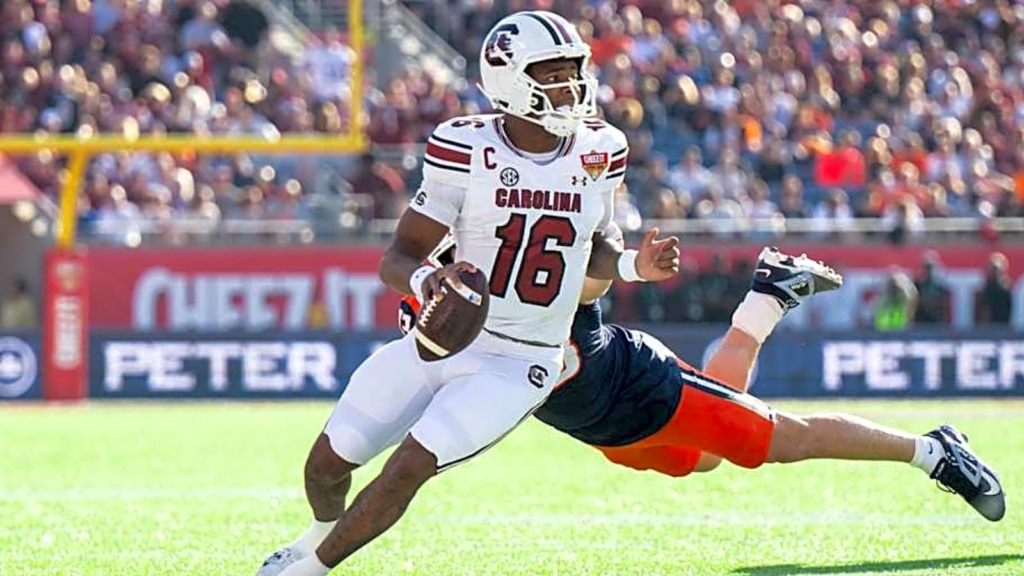
- Reach the playoffs more consistently
- Sustain success despite roster turnover
- Attract top coaches and free agents
Teams without them cycle endlessly through rebuilds.
This reality has made the franchise quarterback the NFL’s most scarce and valuable resource.
What “Franchise QB” Actually Means Inside NFL Front Offices
The term “franchise quarterback” is not a media buzzword inside NFL buildings. It has a strict definition.
Front offices generally believe a true franchise QB must:
- Start for 8–12 seasons
- Consistently elevate average rosters
- Win playoff games, not just regular-season matchups
- Justify massive guaranteed contracts
Arm talent alone isn’t enough. Teams look for durability, leadership, processing speed, and mental resilience.
Once a team identifies a quarterback who meets these criteria, everything else becomes secondary.
Why So Many Teams Are Targeting the Same Few Prospects
Each year, dozens of quarterbacks enter the draft. Yet insiders say only one to three are viewed as legitimate franchise candidates.
That scarcity drives competition.
Behind closed doors:
- Teams rank quarterbacks in rigid tiers
- Boards are guarded more closely than any other position
- Even coaches are sometimes kept in the dark
Public mock drafts often show five or six QBs in the first round. Internally, many teams may believe only one is truly worth the risk.
This gap between public perception and internal belief fuels the hidden arms race.
The Secret Scouting Battles Fans Never Hear About
What fans see—combine drills, pro days, highlight reels—is just the surface.
Behind the scenes, teams conduct:
- Multiple private workouts
- Cognitive and psychological testing
- Long-term injury risk assessments
- Background and character research
Executives attend college practices quietly. Scouts cross-check each other’s evaluations. Analysts rewatch the same throws frame by frame, debating footwork and decision timing.
Insiders describe these debates as some of the most intense discussions inside NFL buildings.
Why Teams Intentionally Spread QB Misinformation
One of the NFL draft’s worst-kept secrets is misinformation.
Teams routinely:
- Leak interest in quarterbacks they don’t want
- Downplay prospects they love
- Praise flaws publicly to manipulate draft stock
The goal is to control outcomes—either by coaxing a QB to fall or forcing another team to trade up.
When fans see conflicting reports, it’s often because teams want confusion.
Are Teams Secretly Tanking for a Quarterback?
The league officially denies tanking. Insiders say reality lives in the gray area.
Teams rarely lose on purpose. But they do:
- Delay veteran quarterback signings
- Start inexperienced players
- Trade productive veterans for draft capital
These moves quietly improve draft position without explicitly sacrificing competitiveness.
History shows teams picking at the top often reset their trajectory with a quarterback selection.
The Analytics Revolution in Quarterback Evaluation
Quarterback scouting used to be dominated by film and instinct. Today, analytics are deeply embedded.
Teams now measure:
- Time to decision under pressure
- Accuracy on non-scripted throws
- Performance against disguised coverages
- Injury probability based on biomechanics
Analytics departments sit in draft rooms alongside scouts and coaches. Numbers don’t eliminate risk—but they reshape how it’s managed.
Why Teams Fear Missing on a QB More Than Reaching
Passing on a franchise quarterback is often worse than drafting the wrong one.
A missed opportunity can:
- Cost coaches and GMs their jobs
- Set rebuilds back five years
- Destroy fan confidence
That fear explains why teams trade massive draft capital to move up. Insiders say teams would rather fail aggressively than be accused of “not trying.”
Real-Life Lessons from Recent NFL History
Recent seasons offer stark contrasts.
Teams that landed elite quarterbacks:
- Became instant contenders
- Extended winning windows
- Stabilized leadership
Teams that missed:
- Entered prolonged rebuilds
- Changed coaches repeatedly
- Lost national relevance
Front offices remember these outcomes vividly—and they guide every QB discussion.
Why Veteran Quarterbacks Are No Longer Long-Term Solutions
Free agency once offered stability. Now it rarely does.
Veteran quarterbacks:
- Are expensive
- Offer limited upside
- Rarely align with rebuild timelines
Most teams now view veteran QBs as bridges, not answers.
The real prize is a rookie QB on a cost-controlled contract.
The Rookie QB Contract Advantage
One of the biggest incentives driving this QB war is financial.
A successful rookie quarterback allows teams to:
- Spend aggressively on defense and weapons
- Absorb roster mistakes
- Build depth without cap collapse
This advantage can last five years—and it often defines championship windows.
Why Coaches Are Hired With Quarterbacks in Mind
Insiders say many coaching hires are QB-driven.
Teams increasingly ask:
- Can this coach develop a young QB?
- Does the scheme match the prospect’s strengths?
- Can they grow together long-term?
This alignment is intentional—and strategic.
Why Some “QB Busts” Aren’t Really Busts
Not every failed quarterback lacked talent.
Many were undone by:
- Poor offensive lines
- Coaching instability
- Rushed development timelines
Teams now emphasize environment and support as much as arm strength.
Why the QB Arms Race Is Only Intensifying
As college football becomes more pass-heavy, expectations rise.
Teams now demand:
- Mobility
- Rapid processing
- Leadership under chaos
The supply of quarterbacks who meet those standards remains limited—ensuring the secret war continues.
How Fans Can Spot a Team Targeting a Franchise QB
Clues often appear months in advance:
- Heavy QB scouting presence
- Delayed veteran extensions
- Accumulating draft picks
- Sudden coaching philosophy shifts
These signals usually precede aggressive draft moves.
What This Means for the Future of the NFL
Competitive balance increasingly hinges on quarterback distribution.
Teams with elite QBs dominate:
- Prime-time games
- Playoff brackets
- Media coverage
Those without them chase hope.
That’s why insiders say the NFL season truly begins long before Week 1—inside draft rooms.
Key Takeaways for Fans
- Franchise QBs drive modern NFL success
- Scarcity fuels secrecy and competition
- Draft narratives are often intentional smokescreens
- Analytics and psychology now shape decisions
- The QB arms race defines today’s league
Understanding this process changes how fans view drafts, trades, and rebuilds.
Top 10 Trending FAQs Americans Are Asking
1. Which NFL teams are searching for a franchise QB?
Teams without a long-term starter or with aging veterans.
2. Are teams tanking for quarterbacks?
Not openly, but roster decisions often favor draft positioning.
3. How many franchise QBs exist in each draft?
Typically one to three at most.
4. Why do teams leak false draft interest?
To manipulate draft boards and control outcomes.
5. Do analytics matter in QB scouting?
Yes—more than ever—but film still matters.
6. Why don’t teams rely on veteran QBs?
Cost, age, and limited upside.
7. Can bad teams ruin QB prospects?
Yes—organizational stability is critical.
8. Why do teams trade up for quarterbacks?
Fear of missing elite talent outweighs draft cost.
9. Are rookie QBs more valuable than veterans?
On cost-adjusted performance, often yes.
10. Will the QB arms race ever slow down?
Unlikely—the position is too important.