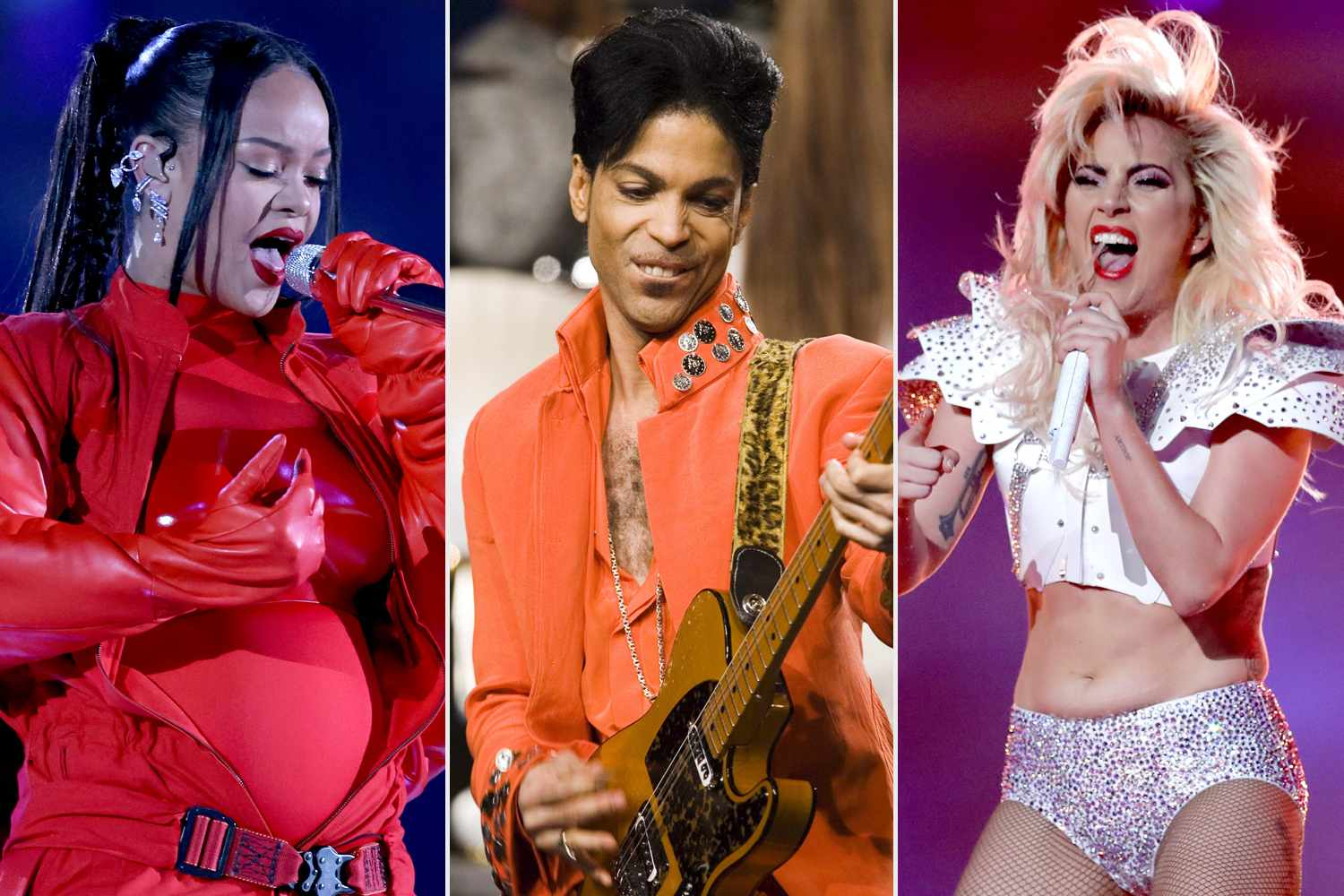
The Super Bowl halftime show has become one of the most powerful viral platforms in entertainment history. From shocking controversies and surprise reveals to unforgettable artistic triumphs, these moments transcended football and reshaped pop culture. This in-depth guide explores the craziest Super Bowl halftime moments ever, why they went viral, and how they permanently changed music, media, and cultural conversation.
Introduction: Why the Super Bowl Halftime Show Became a Viral Powerhouse
Every February, more than 100 million viewers tune in to the Super Bowl. While the game itself determines champions, the halftime show determines something else entirely: cultural dominance.
The Super Bowl halftime show is no longer a break between quarters. It’s a high-risk, high-reward performance window where careers are elevated, controversies explode, and the internet ignites in real time. In just 12 to 15 minutes, an artist can become immortal—or infamous.
What makes the halftime show unique is that it exists at the intersection of:
- Live television
- Music superstardom
- Social media immediacy
- Cultural identity
This article dives deep into the craziest Super Bowl halftime moments that went totally viral, exploring why they captured the world’s attention, how audiences reacted, and what they reveal about America’s biggest stage.
How Did the Super Bowl Halftime Show Become So Influential?
For decades, halftime entertainment was an afterthought. Early Super Bowls featured marching bands, patriotic themes, and safe, forgettable performances.
Everything changed in 1993.
Michael Jackson Changed the Rules Forever
When Michael Jackson performed at Super Bowl XXVII, he didn’t rely on flashy gimmicks. He stood motionless. He stared down the camera. He let silence build tension.
TV ratings increased during halftime—something that had never happened before.
From that moment on, the NFL understood that halftime wasn’t filler. It was appointment viewing.
The viral potential of the halftime show was born.
Janet Jackson’s Wardrobe Malfunction: The Moment That Changed Television
Super Bowl XXXVIII (2004)
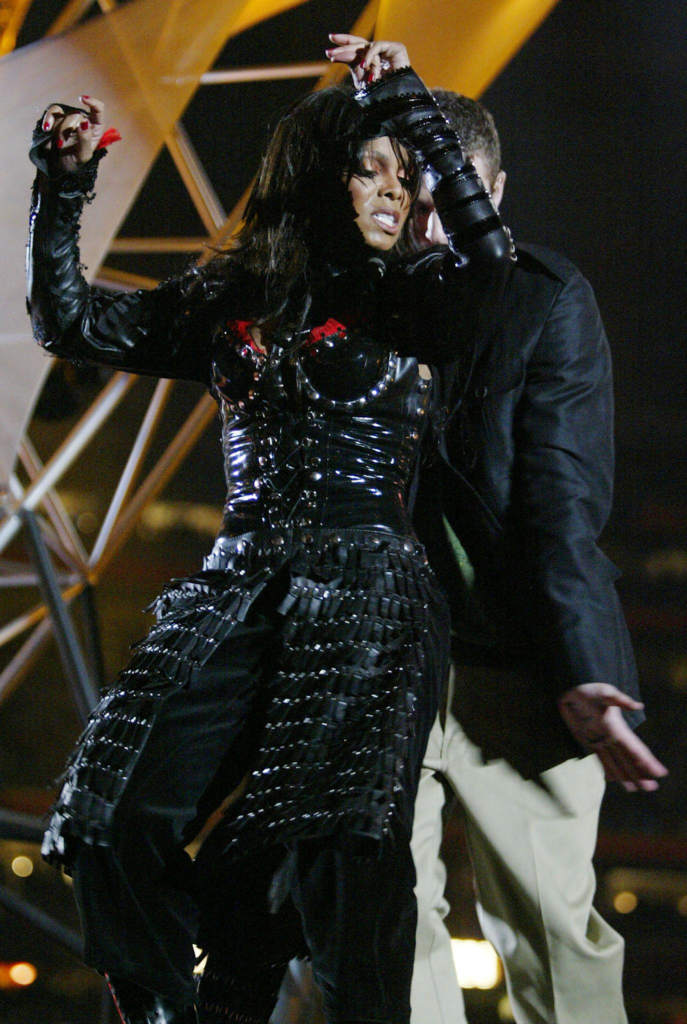
No halftime moment has ever had a bigger ripple effect than the performance featuring Janet Jackson and Justin Timberlake.
In the final seconds of the show, a brief on-air exposure—later labeled a “wardrobe malfunction”—sent shockwaves across American media.
Why This Moment Went Nuclear
At the time:
- Social media didn’t exist
- YouTube hadn’t launched
- Smartphones were uncommon
Yet the clip spread everywhere.
The aftermath included:
- FCC fines totaling millions of dollars
- Permanent broadcast delays for live TV
- Janet Jackson’s sudden disappearance from NFL stages
- A long-term chilling effect on live entertainment
This moment didn’t just go viral—it rewrote broadcast history.
Prince in the Rain: When a Halftime Show Became Legendary
Super Bowl XLI (2007)
If chaos defined 2004, perfection defined 2007.
Performing in heavy rain, Prince delivered what many critics consider the greatest halftime show ever. As he closed with “Purple Rain,” purple lighting illuminated real rain falling from the sky.
Why This Performance Went Viral
- Live vocals and instruments
- Weather that enhanced the drama
- Minimal choreography, maximum artistry
- No controversy—just brilliance
Rolling Stone and Billboard routinely rank Prince’s performance as the best in Super Bowl history. It went viral because it was undeniably iconic.
Beyoncé’s Halftime Shows That Sparked Cultural Conversation
Super Bowl XLVII (2013) & Super Bowl 50 (2016)
Whenever Beyoncé performs, the internet reacts—but her halftime shows took virality to another level.
In 2013, her Destiny’s Child reunion caused instant social media overload. In 2016, her performance of “Formation” sparked nationwide debate about race, identity, and politics.
Why Beyoncé’s Performances Exploded Online
- Precision choreography
- Surprise reunions
- Powerful symbolism
- Cultural confidence
Her shows proved that halftime performances could be both entertaining and meaningful—a rare combination.
Left Shark: The Accidental Meme That Stole the Show
Super Bowl XLIX (2015)
During Katy Perry’s performance, a backup dancer in a shark costume danced slightly off-beat.
That dancer—soon dubbed “Left Shark”—became one of the most unexpected viral stars in Super Bowl history.
Why This Moment Worked
- It felt unscripted
- It contrasted polished choreography
- It gave the internet humor instead of outrage
Left Shark proved that authentic imperfection is viral gold.
Shakira and Jennifer Lopez: A Global Viral Explosion
Super Bowl LIV (2020)
When Shakira and Jennifer Lopez co-headlined, the performance dominated social platforms worldwide.
Featuring high-energy choreography and surprise guest Bad Bunny, the show generated massive global engagement.
Why This Show Went Viral
- Cross-cultural representation
- Non-stop energy
- Visual spectacle
- International appeal
It proved the halftime show had become a global event, not just an American one.
The Weeknd’s Mirror Maze That Divided the Internet
Super Bowl LV (2021)
The Weeknd took a creative risk with a disorienting mirror-maze sequence filmed using handheld cameras.
Some viewers loved it. Others were confused. Everyone talked about it.
Why It Went Viral
- Artistic risk
- Polarizing visuals
- Immediate meme culture
In the social media era, confusion equals conversation.
Rihanna’s Pregnancy Reveal That Broke the Internet
Super Bowl LVII (2023)
When Rihanna returned to the halftime stage, fans noticed something different. Midway through the performance, it became clear—she was pregnant.
Why This Moment Dominated the Internet
- No advance announcement
- Calm, confident reveal
- Minimalist staging
Search traffic for Rihanna surged instantly, and the show became one of the most replayed halftime performances ever.
Hip-Hop Takes the Halftime Stage
Super Bowl LVI (2022)
For the first time, hip-hop fully headlined the halftime show.
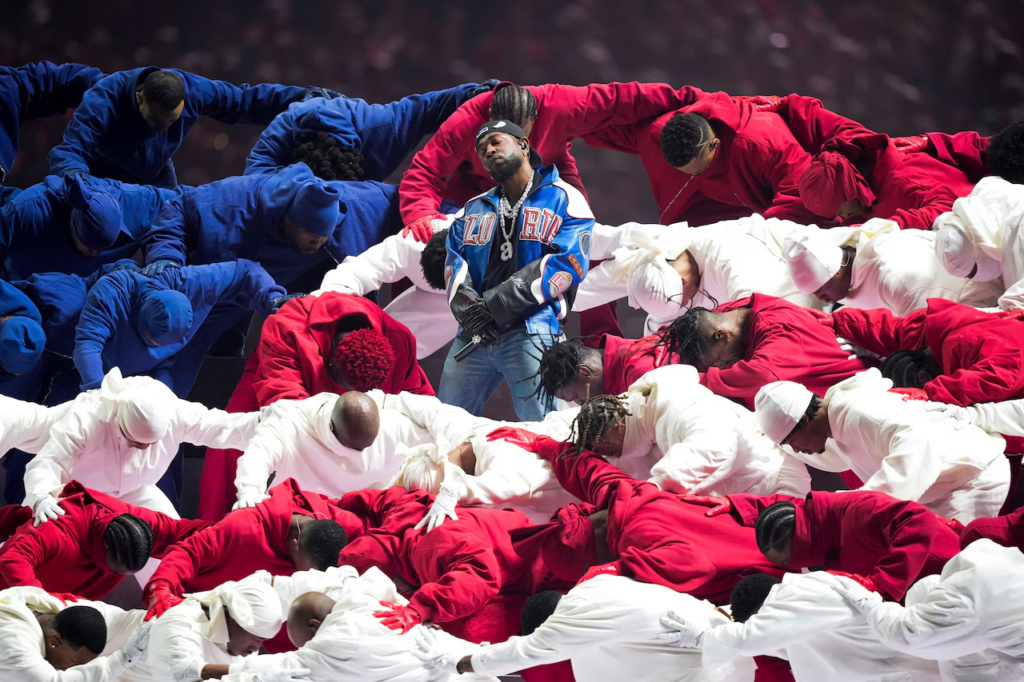
Featuring Dr. Dre, Snoop Dogg, Eminem, Mary J. Blige, and Kendrick Lamar, the performance was widely seen as cultural validation.
Eminem kneeling reignited conversation, proving halftime shows remain powerful platforms.
Why Do Super Bowl Halftime Moments Go Viral So Easily?
Several factors create the perfect viral storm:
- Massive live audience
- Real-time social media reactions
- Short, clip-friendly moments
- Cultural relevance
Unlike concerts or award shows, the Super Bowl creates shared national experiences, which the internet amplifies instantly.
What Artists Risk—and Gain—By Performing at Halftime
Artists are not paid to perform, yet competition to headline remains fierce.
Risks
- Career-defining mistakes
- Political backlash
- Unforgiving scrutiny
Rewards
- Streaming increases of 300–1000%
- Global exposure
- Cultural immortality
The Super Bowl halftime show is the ultimate high-stakes performance.
Key Takeaways From Viral Halftime Moments
- Authenticity beats perfection
- Surprise fuels virality
- Cultural relevance matters
- Controversy accelerates engagement
Frequently Asked Questions (10 Trending Searches)
1. What is the most controversial Super Bowl halftime show ever?
Janet Jackson’s 2004 performance remains the most controversial.
2. Which halftime show had the most viewers?
Recent shows by Rihanna and Katy Perry rank among the most watched.
3. Who is considered the greatest halftime performer?
Prince is widely regarded as the best of all time.
4. Why do halftime shows go viral?
Because of massive audiences, live reactions, and shareable moments.
5. Are artists paid to perform?
No. The NFL covers production costs only.
6. Which halftime show boosted music sales the most?
Prince and Beyoncé saw massive post-show streaming spikes.
7. Has any halftime show been censored?
Yes. Broadcast delays increased significantly after 2004.
8. Why are surprise guests important?
They create instant buzz and social engagement.
9. Do halftime shows influence pop culture?
Absolutely—from fashion trends to chart performance.
10. Will halftime shows keep getting bigger?
As long as virality drives attention, yes.
Final Verdict: Why These Halftime Moments Matter
The craziest Super Bowl halftime moments aren’t just entertainment—they’re cultural landmarks.
In a matter of minutes, these performances capture the mood of a nation, spark debate, create memes, and sometimes even change history.
That’s why the Super Bowl halftime show isn’t just watched—it’s remembered.