The NFL’s rise to dominance wasn’t built solely on competition and integrity. Behind the spectacle lies a history of hidden negotiations, suppressed scandals, labor battles, selective storytelling, and rule changes driven by business interests. This in-depth exposé reveals the untold truths league insiders rarely discuss—and why understanding them reshapes how fans see professional football today.
Introduction: Why the NFL’s Official History Tells Only Half the Story
The National Football League presents itself as the gold standard of professional sports—organized, competitive, and relentlessly fair. Every season is framed as a meritocracy where preparation meets opportunity and the best rise to the top.
But history is never that simple.
Behind the NFL’s carefully curated image lies a complex past shaped by power struggles, financial warfare, buried controversies, and strategic storytelling. Many of these moments are well known among owners, executives, longtime officials, and legal insiders—but rarely discussed openly with fans.
This article does not argue that football is fake or scripted. Instead, it explores a deeper truth: the NFL has always been a business first, a sport second, and a cultural institution always.
By understanding the league’s hidden history, fans gain clarity—not cynicism—about how the modern NFL truly operates.
How Did the NFL Really Become America’s Dominant Sports League?
Popular narratives suggest the NFL rose naturally through superior competition and fan appeal. In reality, dominance was achieved through calculated consolidation, financial maneuvering, and aggressive protection of market control.
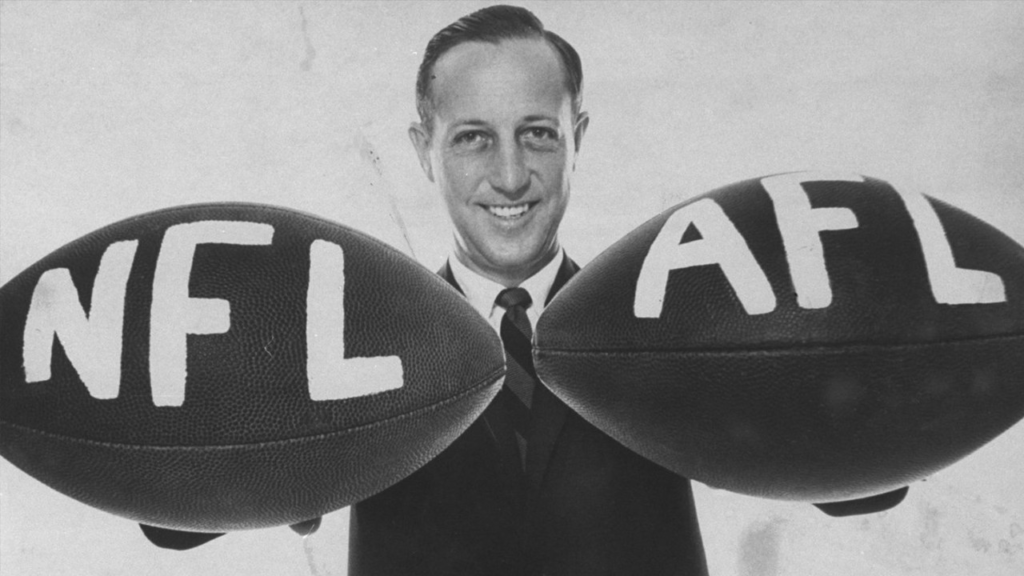
The AFL–NFL War That Changed Everything
The emergence of the American Football League in 1960 threatened the NFL’s monopoly. The AFL didn’t just compete—it disrupted.
The AFL:
- Paid higher salaries to attract talent
- Signed players the NFL undervalued
- Embraced wide-open offensive football
- Aggressively pursued television exposure
What followed was not healthy competition but economic escalation. Owners from both leagues feared financial collapse if bidding wars continued.
The eventual merger in 1970 is celebrated today as unity. Insiders know it was survival.
The Super Bowl itself was born not as a celebration—but as a truce.
What Role Did Television Really Play in NFL Power?
Television didn’t merely broadcast football—it reshaped the league’s DNA.
By centralizing media rights at the league level, the NFL ensured:
- Revenue sharing across markets
- Owner equality regardless of location
- Complete control over public narratives
This structure allowed the league to minimize exposure of internal disputes while maximizing spectacle. Controversial moments were often framed as anomalies rather than symptoms of deeper issues.
Television didn’t just show the NFL—it protected it.
Why Some NFL Scandals Exploded While Others Quietly Disappeared
Not all scandals receive equal attention, and that disparity is intentional.
Scandals That Stayed Quiet
Over decades, allegations emerged involving:
- Painkiller misuse in locker rooms
- Suppressed concussion research
- Racial discrimination in hiring
- Labor intimidation tactics
Many of these stories only surfaced through lawsuits, congressional inquiries, or investigative journalism—long after the damage was done.
Scandals That Went Public Fast
By contrast, the league swiftly highlighted:
- Individual player misconduct
- Gambling violations
- On-field altercations
Focusing on individuals protects institutions. League insiders understand that public outrage is easier to manage when blame is isolated.
What the NFL Didn’t Tell Fans About Player Safety
For years, former players warned about memory loss, depression, and neurological decline. The league’s public stance remained cautious—sometimes dismissive.
Internal research later revealed that the NFL had early awareness of long-term brain trauma risks. Committees often framed findings conservatively to reduce legal exposure.
Acknowledgment came only after lawsuits forced transparency.
Player safety reforms followed—but under pressure, not leadership.
How Rule Changes Quietly Shape Outcomes
Rule changes are often presented as safety initiatives. Many are. Others reflect a more subtle motivation: entertainment economics.
Why Offense Is Always Protected
Over time:
- Defensive contact rules tightened
- Quarterbacks received expanded protections
- Passing offenses benefited from enforcement emphasis
High-scoring games drive ratings, fantasy engagement, and casual viewership. League insiders openly admit that watchability influences rule enforcement priorities.
Football evolves—but not accidentally.
The Hidden Power of the NFL Commissioner
NFL commissioners are often described as caretakers of the game. In reality, they are corporate executives serving ownership interests.
From Pete Rozelle to Roger Goodell, commissioners have:
- Disciplined players with limited transparency
- Negotiated massive media deals privately
- Shielded ownership from public accountability
They are not independent arbiters. They are guardians of the league’s economic engine.
Why Labor Battles Shaped the Modern NFL
Labor disputes are often portrayed as interruptions. In truth, they are foundational chapters.
The 1987 Strike and Replacement Players
When players demanded fairer compensation, owners responded by fielding replacement players. The message was unmistakable: the brand mattered more than the workforce.
That precedent echoes today in:
- Non-guaranteed contracts
- Short career spans
- Roster churn
Player empowerment arrived slowly—and reluctantly.
The NFL Draft: Opportunity or Control Mechanism?
The draft is marketed as hope. Historically, it was also about restricting labor mobility.
Early drafted players had:
- No free agency
- Minimal negotiating power
- Limited career choice
Competitive balance benefited—but wages stagnated for decades. Only legal pressure forced reform.
The Myth of “Any Given Sunday”
Parity exists—but it is curated.
Revenue sharing helps smaller markets, but advantages still cluster around:
- Ownership stability
- Organizational investment
- Front-office competence
The NFL sells unpredictability while quietly managing inequality.
Why Officiating Controversies Never Go Away
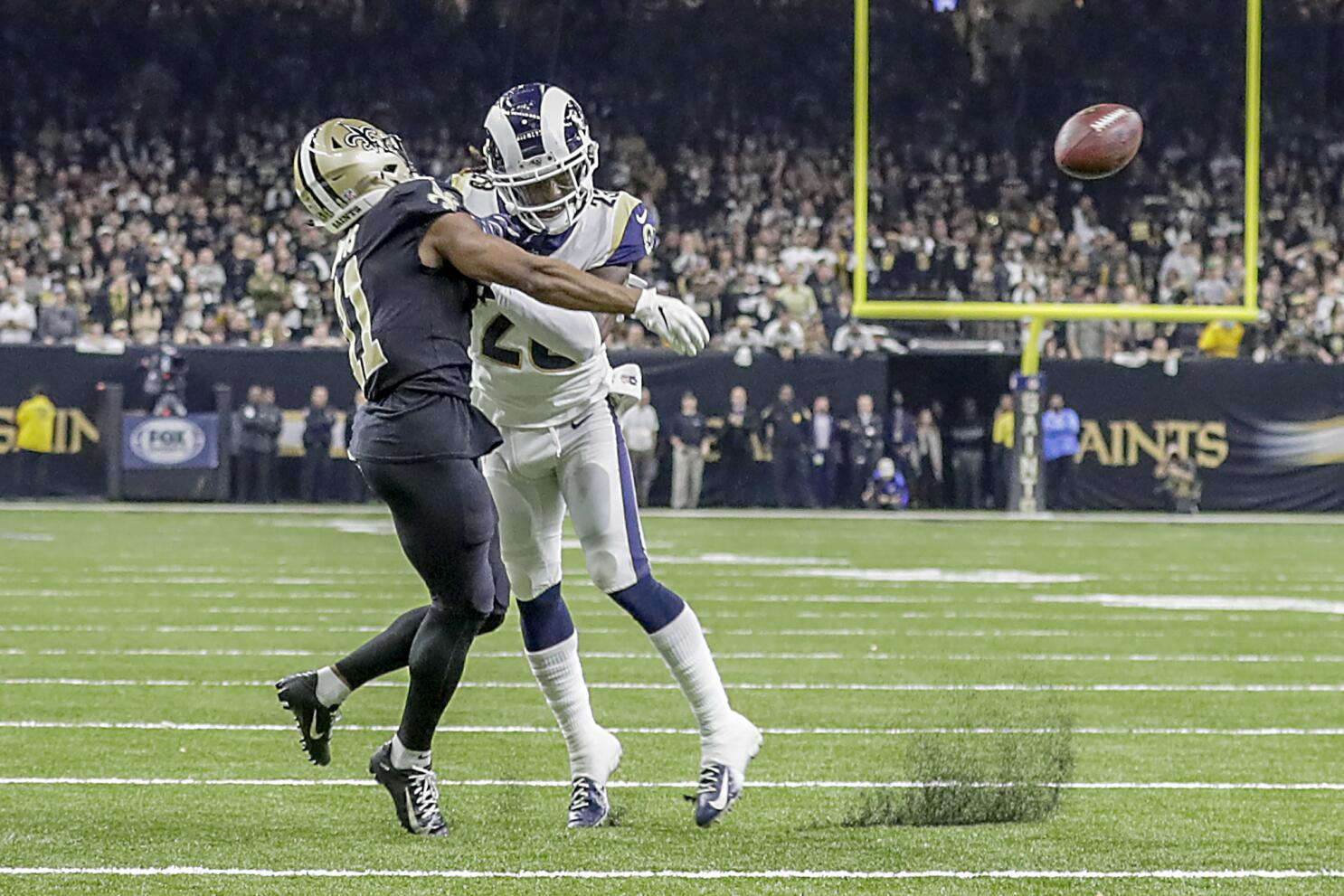
From the Tuck Rule to replay inconsistencies, officiating fuels endless debate.
Insiders acknowledge:
- Emphasis points shift weekly
- Rule interpretations evolve midseason
- Transparency remains limited
Fans don’t demand perfection. They demand honesty.
What the NFL Chooses to Remember—and Forget
NFL Films and Hall of Fame narratives celebrate:
- Dynasties
- Redemption arcs
- Iconic moments
Less visible are:
- Labor exploitation
- Medical suppression
- Ownership scandals
- Failed franchises
History isn’t fabricated—it’s curated.
What These NFL Secrets Mean for Modern Fans
Knowing the league’s hidden history doesn’t diminish football. It contextualizes it.
Fans can still cheer, analyze, and debate—now with a clearer understanding of why decisions sometimes feel unfair or opaque.
Football has always been more than a game. It’s a business, a culture, and a mirror of American institutions.
Key Insider-Level Takeaways
- NFL dominance was engineered, not organic
- Transparency often followed lawsuits
- Entertainment economics shape rules
- Commissioners protect ownership
- Player power was hard-won
Frequently Asked Questions (10 Trending NFL History Queries)
1. Is the NFL hiding parts of its history?
The league emphasizes positive narratives while downplaying controversies that threaten its image or legal position.
2. Why did the AFL–NFL merger really happen?
To stop financial escalation, control labor costs, and protect long-term profits.
3. Did the NFL know about concussions earlier?
Yes. Internal research existed years before public acknowledgment.
4. Are NFL rules influenced by business interests?
Yes. Entertainment value and ratings affect rule emphasis and enforcement.
5. Why is the commissioner so powerful?
The role centralizes authority to protect ownership interests.
6. Were early NFL players treated fairly?
By modern standards, no. Contracts heavily favored owners.
7. Is officiating intentionally biased?
There’s no proof of rigging, but inconsistency and opacity fuel distrust.
8. Why do some scandals disappear quickly?
Institutional issues are harder to market than individual blame.
9. Has the NFL improved player safety?
Yes—but largely due to legal and public pressure.
10. Should fans view the NFL differently knowing this?
With context, not cynicism. Knowledge enhances understanding.
Final Verdict: Why These NFL Secrets Matter
The NFL’s history isn’t a fairy tale—it’s a corporate saga filled with ambition, compromise, innovation, and moral gray areas.
League insiders don’t want fans to stop watching. They want them to stop asking uncomfortable questions.
But informed fans are better fans.
Understanding the full story doesn’t weaken football—it strengthens the conversation around it.