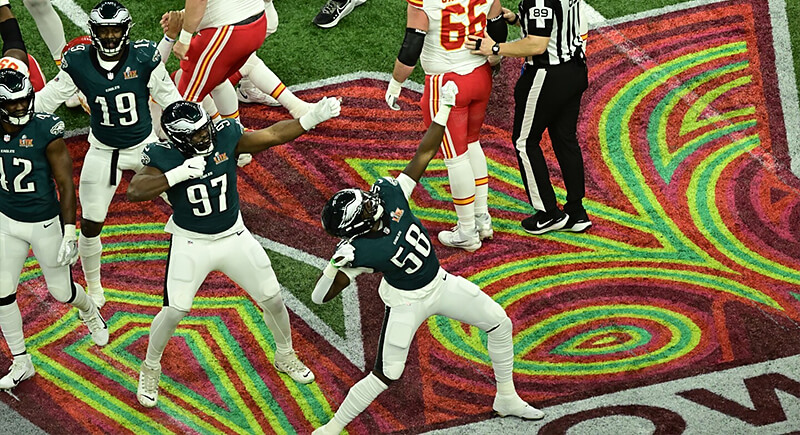
The NFL’s history with touchdown celebrations is filled with unforgettable moments—and costly mistakes. From dangerous goalpost stunts to humiliating taunts that sparked fights, many celebrations were banned for good reason. This in-depth guide explores the most infamous banned NFL celebrations, why the league outlawed them, and how those decisions shaped today’s more balanced, fan-friendly celebration rules.
Introduction: When Celebration Crossed the Line
Few moments in football are as electric as a touchdown. The crowd erupts, teammates sprint onto the field, and the player who scored gets a brief moment to express pure emotion. For fans, celebrations are memorable snapshots—replayed for decades, debated endlessly, and woven into NFL mythology.
But for the National Football League, celebrations have always been a double-edged sword.
Too little emotion, and the game feels robotic.
Too much emotion, and the game risks chaos.
Over the years, the NFL banned a surprising number of celebrations—some hilarious, some creative, and some downright reckless. While fans often complained about the “No Fun League,” hindsight reveals an uncomfortable truth: many of these celebrations deserved to disappear.
This long-form guide dives deep into the banned NFL celebrations that reshaped league policy, endangered players, inflamed rivalries, or embarrassed the sport—and explains why, today, we’re better off without them.
Why Does the NFL Ban Celebrations at All?
To understand the banned celebrations, you first need to understand the league’s mindset.
The NFL has historically restricted celebrations for four core reasons:
- Player safety – Avoiding injuries from stunts, props, or climbing structures
- Game flow – Preventing delays, confusion, and extended stoppages
- Sportsmanship – Limiting taunting, humiliation, and incitement
- League image – Protecting sponsors, broadcasts, and youth influence
Celebration rules weren’t created to suppress joy—they were created in response to real incidents with real consequences.
The Early NFL: When Celebrations Were Taboo
Before the 1980s, celebrations were almost nonexistent.
Players:
- Handed the ball to the referee
- Jogged back to the sideline
- Lined up for the extra point
Any kind of showboating was viewed as disrespectful. Football culture emphasized toughness, discipline, and humility. But as television expanded and player personalities became marketable, celebrations slowly emerged—and with them, controversy.
Terrell Owens and the Birth of Celebration Chaos
No player symbolizes banned celebrations more than Terrell Owens.
Owens didn’t just celebrate touchdowns—he weaponized them.
The Cowboys Star Celebration
While playing against Dallas, Owens sprinted to midfield and stood on the Cowboys’ star logo after scoring. It wasn’t subtle. It wasn’t accidental. It was a direct challenge.
The reaction was immediate:
- Teammates and opponents collided
- Tempers flared
- Officials lost control of the moment
Why it was banned:
- Direct taunting of the opponent
- Incited physical confrontation
- Delayed the game
- Risked bench-clearing fights
This moment became a defining example of why the NFL drew a hard line against celebrations aimed at opponents rather than celebrating with teammates.
Joe Horn’s Cell Phone Celebration: Iconic but Inevitable
Few celebrations are remembered as fondly as Joe Horn pretending to pull a cell phone from the goalpost padding and “call” someone after scoring.
Fans loved it.
Broadcasters replayed it endlessly.
The moment became legendary.
But the league saw a problem coming.
Why it was banned:
- Encouraged hiding props on the field
- Prompted players to climb goalposts
- Created equipment and injury risks
- Sparked copycat celebrations
The NFL responded with a blanket rule: no props, period. Funny or not, the potential consequences outweighed the entertainment.
Goalpost Dunking: When Fun Turned Dangerous
For years, dunking the ball over the goalpost was a fan favorite.
But behind the scenes:
- Players slipped while landing
- Goalposts bent or broke
- Officials had to reset equipment
In several cases, players narrowly avoided serious injury.
Why the NFL banned it:
- Unnecessary injury risk
- Game delays
- Equipment damage
What looked harmless on highlight reels became a liability in real time.
Chad Johnson and the Limits of Creativity
Chad Johnson (Ochocinco) treated celebrations like performance art.
He:
- Proposed to cheerleaders
- Put on jackets mid-celebration
- Mimicked dances and other sports
While many of his antics were harmless, they forced the NFL to define boundaries.
The league reacted by:
- Penalizing celebrations involving props
- Restricting interaction with non-players
- Issuing fines rather than flags
Johnson’s era proved that creativity is welcome—until it disrupts the game.
Taunting Celebrations That Crossed the Line
Some celebrations weren’t about joy—they were about humiliation.
Examples included:
- Standing over defenders
- Pointing inches from an opponent’s face
- Mocking first-down signals directly at defenders
Why these were banned:
- Escalated tempers
- Increased retaliation
- Frequently led to fights
The NFL concluded that celebrations must be inward-facing, not confrontational.
Group Celebrations That Took Too Long
At one point, entire offensive units would rush to the end zone to choreograph dances.
The issues:
- Extended delays before kickoffs
- Confusion for officials
- Increased chance of sideline confrontations
The league responded by limiting:
- Duration of celebrations
- Number of participants
- Sideline involvement
Religious and Political Celebrations: The Quiet Crackdown
Some celebrations blurred into prolonged religious or political displays.
While rarely discussed openly, the NFL enforced limits to:
- Keep broadcasts neutral
- Avoid sponsor backlash
- Maintain consistency across games
Rather than outright bans, these gestures were often quietly discouraged through fines or warnings.
Why the NFL Eventually Relaxed Celebration Rules
By the mid-2010s, fan sentiment shifted.
Celebrations:
- Drove social media engagement
- Made highlights more memorable
- Showcased player personality
The league responded by allowing:
- Group celebrations
- Choreographed dances
- Non-taunting expressions
But the old banned celebrations still define the boundaries today.
Celebrations Still Banned Today (For Good Reason)
Even now, the following remain illegal:
- External or hidden props
- Climbing goalposts
- Simulating violence
- Direct taunting of opponents
- Excessive delays
These bans exist because history proved they cause problems.
Why Fans Are Actually Glad Some Celebrations Are Gone
Looking back, many banned celebrations:
- Distracted from the game
- Created unnecessary drama
- Risked injury
- Sparked fights
Nostalgia is powerful—but safety and fairness matter more.
How Banned Celebrations Shaped Today’s NFL
Modern celebration rules strike a balance:
- Expression without humiliation
- Fun without danger
- Creativity without chaos
That balance exists because of the mistakes of the past.
Real-Life Fallout From Banned Celebrations
- Games swung by celebration penalties
- Players injured during stunts
- Suspensions following repeated taunting
- Rivalries intensified beyond control
The consequences weren’t theoretical—they were real.
Key Takeaways: Why These Celebrations Had to Go
- Safety outweighs spectacle
- Respect keeps games under control
- Creativity needs limits
- History informs better rules
Frequently Asked Questions (10 Trending FAQs)
1. Why did the NFL ban excessive celebrations?
To protect safety, sportsmanship, and game flow.
2. Are celebrations allowed in the NFL today?
Yes, as long as they’re safe, non-taunting, and brief.
3. What celebration caused the most controversy?
Terrell Owens’ Cowboys star celebration remains the most infamous.
4. Are props still banned in celebrations?
Yes—external or hidden props are illegal.
5. Why is taunting penalized so harshly?
Because it often leads to fights and escalations.
6. Can teams celebrate together now?
Yes, within time and conduct limits.
7. Are goalpost dunks still illegal?
Yes, due to injury and equipment risks.
8. Do celebration penalties still impact games?
Absolutely—especially in close matchups.
9. Why did fans hate the old celebration rules?
They felt overly strict and joyless.
10. Did banned celebrations help modern rules?
Yes—they showed the league what not to allow.
Final Thoughts: Why These Celebrations Were Better Left Behind
Celebrations are part of football’s soul—but unchecked, they can overshadow the game itself.
The NFL didn’t ban celebrations to kill fun. It banned specific behaviors because experience showed they caused harm, chaos, or disrespect.
Looking back, many of those moments are fun to remember—but even better to leave in history.
That’s why these banned NFL celebrations will ultimately make you glad they’re gone.