NFL superfans represent the most extreme, passionate, and influential side of American sports culture. From table-smashing charity heroes to costumed end-zone armies, these fan groups go far beyond cheering. They shape stadium atmosphere, team identity, media narratives, and even charitable movements. This in-depth guide explores the wildest NFL superfan groups, why they exist, and why they matter.
Introduction: When Being a Fan Turns Into a Lifestyle
Every NFL fan loves their team. But some fans don’t just support football—they live it.
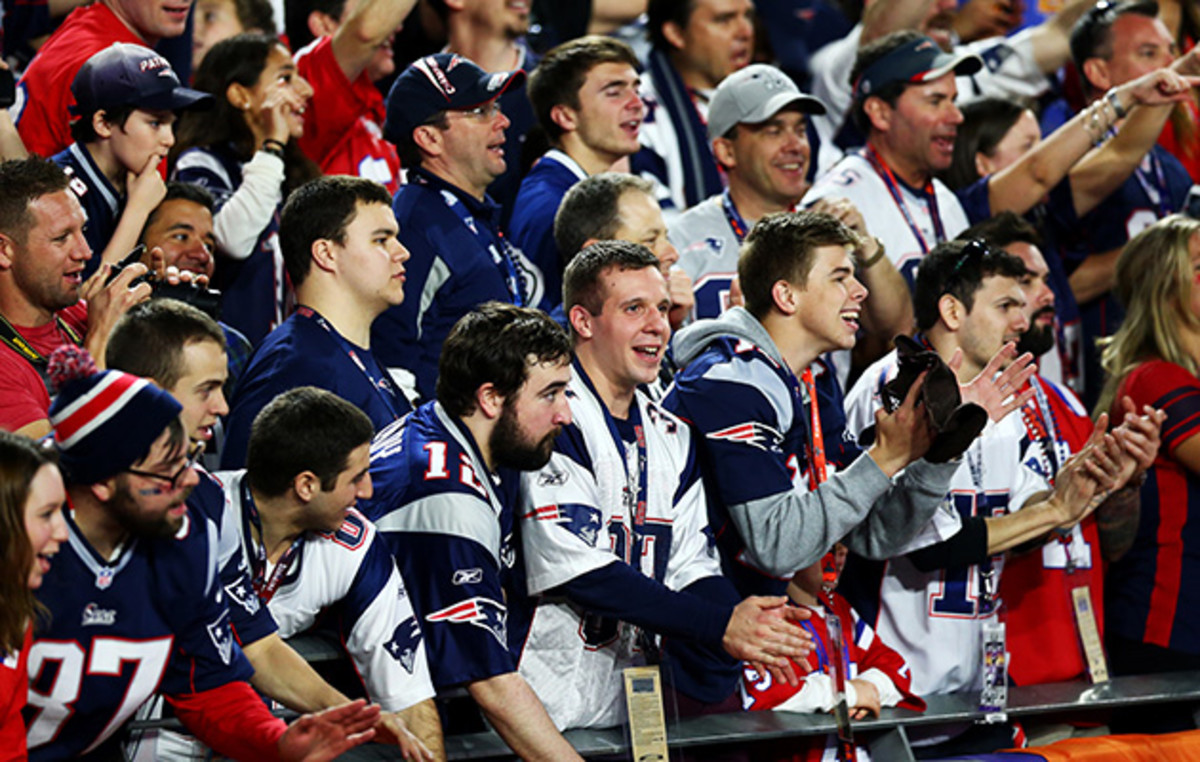
NFL superfans are not casual viewers. They are people whose schedules, wardrobes, friendships, travel plans, and even family traditions revolve around their team. They show up in snowstorms, heat waves, and losing seasons. They paint their faces, wear the same costumes for decades, and sit in the same stadium sections year after year.
In modern football, these superfans are no longer background noise. They are featured in broadcasts, referenced by players, celebrated by teams, and followed on social media. They are part of the spectacle that makes the National Football League the most powerful sports league in America.
This article takes you inside the wildest, most fascinating NFL superfan groups you won’t believe exist—how they formed, what drives them, and why they are essential to the game itself.
What Exactly Is an NFL Superfan?
An NFL superfan is not defined by how much money they spend or how many followers they have online. Superfans are defined by consistency, ritual, and identity.
Unlike casual fans, superfans:
- Attend games regardless of wins or losses
- Maintain strict game-day routines
- Wear recognizable outfits or costumes
- Belong to organized fan sections or groups
- Travel long distances for away games
- Tie personal identity to team loyalty
For many superfans, football is not entertainment—it’s a social structure and emotional anchor.
Why Do Superfan Groups Form in the First Place?
To understand NFL superfans, you have to understand football’s place in American life.
Football is:
- Regional and deeply local
- Generational and inherited
- Ritual-based and repetitive
- Community-driven rather than individual
Superfan groups form because people crave:
- Belonging in massive stadiums
- Recognition within huge fanbases
- A shared identity beyond everyday life
In many cases, superfan communities replace traditional social clubs, churches, or extended families. They provide connection in an increasingly fragmented world.
Bills Mafia: How a Fan Group Became a Cultural Movement
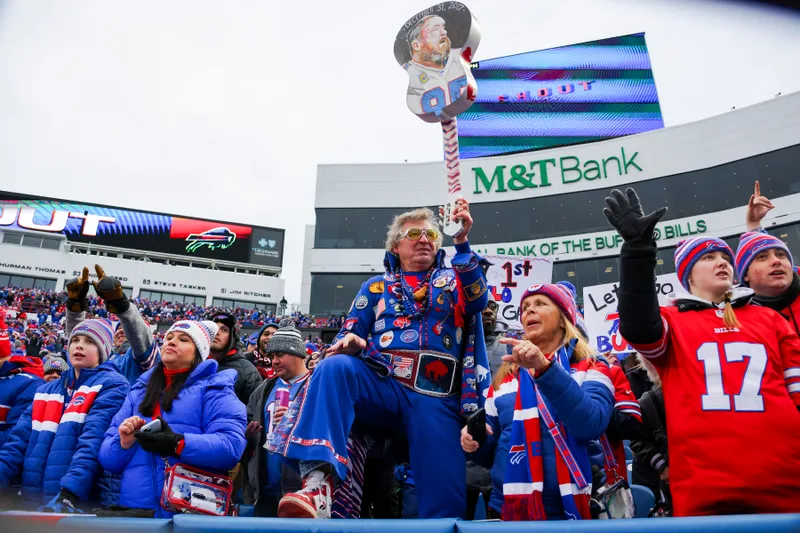
Perhaps the most famous superfan group in all of sports is Bills Mafia, the passionate fanbase of the Buffalo Bills.
What started as a joking phrase on social media evolved into a globally recognized identity.
Bills Mafia is known for:
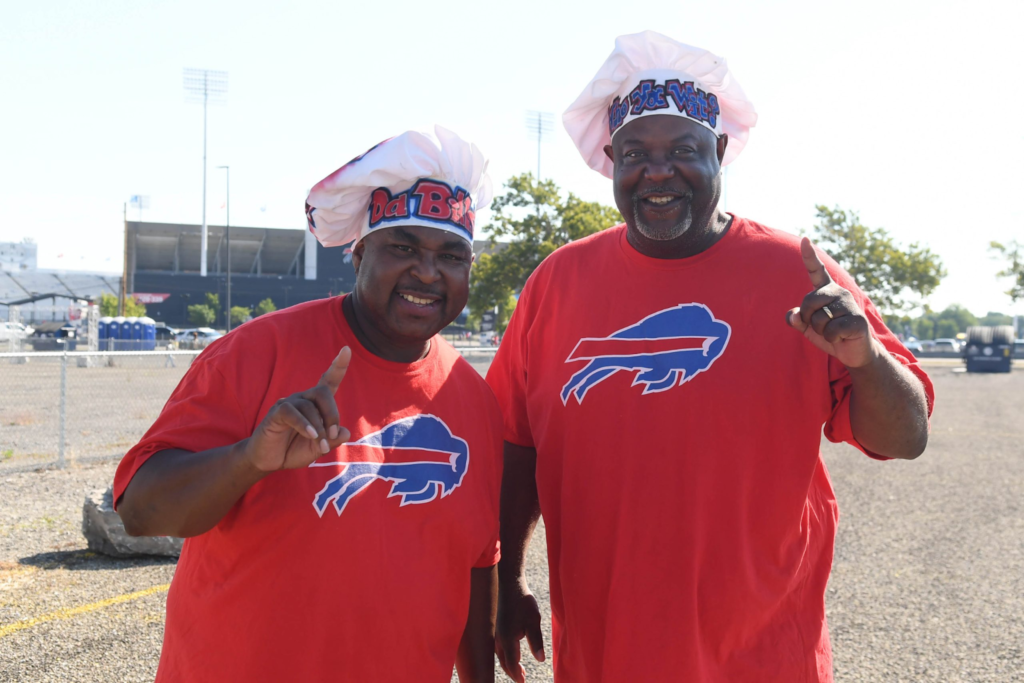
- Extreme tailgating, including table-smashing
- Showing up shirtless in freezing weather
- Viral fan moments during snow games
- Massive charity donations made in players’ names
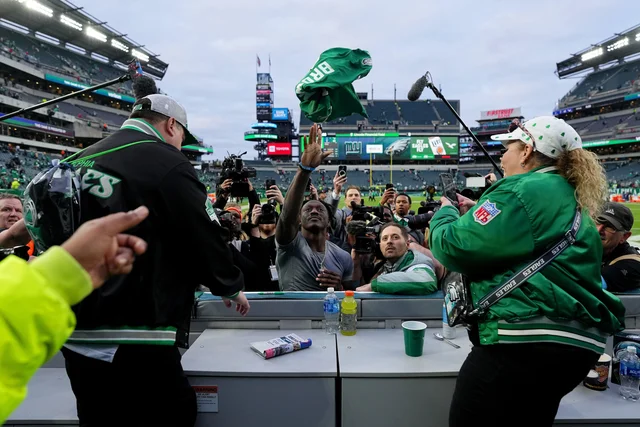
What truly separates Bills Mafia from other fan groups is philanthropy. After major plays or emotional moments, fans have collectively raised millions of dollars for charities connected to Bills players.
This transformed the image of superfans from “rowdy” to impactful, proving that extreme fandom can also be socially powerful.
The Dawg Pound: Loyalty Forged Through Losing
Few fan groups in professional sports embody resilience like the Dawg Pound, home of the most passionate supporters of the Cleveland Browns.
The Dawg Pound:
- Occupies a dedicated end-zone section
- Features fans wearing dog masks, spikes, and face paint
- Is famous for relentless barking throughout games
What makes the Dawg Pound remarkable is its history. Browns fans endured decades of losing seasons, relocations, and heartbreak—yet their superfan culture never disappeared.
Their message to the league has always been clear:
We are still here.
That kind of loyalty cannot be manufactured.
The Black Hole: The Most Intimidating Fans in Football
Few stadium sections are as visually striking as the Black Hole, historically associated with fans of the Oakland Raiders.
Black Hole superfans are famous for:
- All-black outfits
- Spiked shoulder pads
- Face paint and skull imagery
- Mad-Max-style homemade costumes
Even after the Raiders’ relocation to Las Vegas, the Black Hole culture followed. That’s because superfan identity isn’t tied to geography—it’s tied to people, rituals, and shared history.
For decades, opposing teams dreaded playing in front of this group.
Cheeseheads: How Packers Fans Became Global Icons
Fans of the Green Bay Packers may be the most recognizable superfans in the world thanks to the iconic cheesehead hat.
What began as a joke turned into:
- A global symbol of fandom
- A merchandising phenomenon
- A family-friendly superfan culture
Packers superfans represent:
- Small-town pride
- Community ownership
- Generational loyalty
In Green Bay, being a superfan isn’t extreme—it’s expected.
Why NFL Superfans Wear Costumes (And Never Change Them)
One of the most common questions Americans ask is:
“Why do NFL superfans dress like that?”
Costumes serve multiple purposes:
- Instant recognition on television
- Visual identity within massive crowds
- Tradition and superstition
- Personal branding inside the fanbase
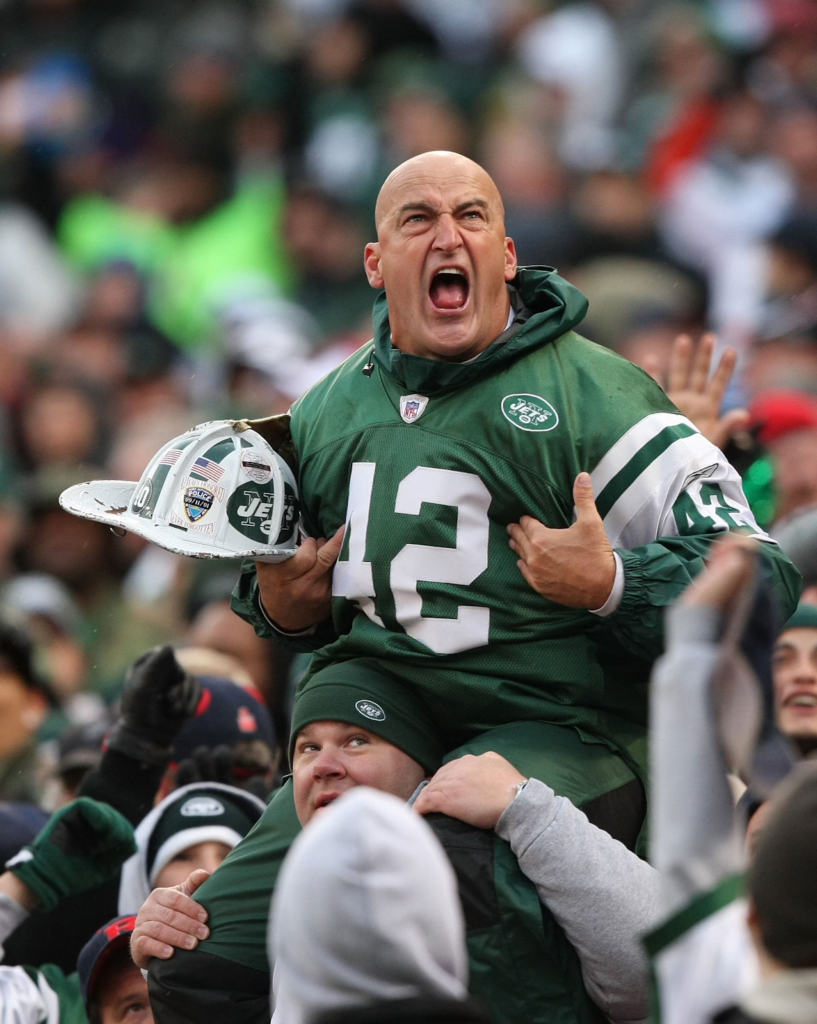
Many superfans wear the same costume for decades, refusing to change it even as trends evolve. These outfits become part of stadium history, often recognized by players and broadcasters alike.
Tailgating: Where Superfan Culture Truly Lives
For superfans, the game doesn’t start at kickoff.
It starts hours—or even days—earlier.
Superfan tailgates often include:
- Custom grills and signature dishes
- Team-themed decorations
- Music tied to rituals
- Reserved parking spots used for years
In cities like Buffalo, Cleveland, and Kansas City, tailgating functions like a neighborhood gathering. New fans are welcomed, stories are shared, and traditions are passed down.
Superfans on the Road: The Badge of Honor
True superfans travel.
They save money, plan vacations around schedules, and proudly wear team colors in hostile stadiums. Away games are badges of honor—proof of dedication.
Traveling superfans:
- Strengthen group identity
- Earn respect from players
- Create nationwide micro-communities
Players often acknowledge these fans publicly, reinforcing a powerful emotional bond.
Why NFL Teams Actively Support Superfans
NFL teams understand that superfans are unpaid brand ambassadors.
Teams benefit because superfans:
- Create TV-friendly visuals
- Enhance stadium atmosphere
- Drive merchandise sales
- Build long-term loyalty
Many franchises now offer:
- Dedicated superfan seating sections
- Social media recognition
- Early stadium access
- Invitations to team events
Superfans are part of the business model—even if unofficially.
Are NFL Superfans Extreme or Essential?
Some critics view superfans as excessive. But sports psychology research consistently shows that strong fan identity increases happiness, belonging, and emotional well-being.
For many superfans:
- Football provides structure
- Fan groups provide community
- Rituals provide stability
In an increasingly isolated society, superfan groups fill a real social gap.
Real-Life Stories That Explain Superfans Perfectly
- A Bills fan donating rent money to charity after a playoff win
- A Browns fan attending every home game for over 40 years
- A Raiders superfan hand-building costumes all offseason
- Packers families passing season tickets down through generations
These are not rare stories. They are the backbone of NFL fandom.
Traits Shared by All NFL Superfan Groups
- Emotional investment independent of success
- Strong rituals and routines
- Visual identity
- Tight-knit community bonds
- Long-term loyalty
Frequently Asked Questions (10 Trending FAQs)
1. What is an NFL superfan?
A fan whose lifestyle, identity, and routines revolve around their team.
2. Which NFL fan group is the wildest?
Bills Mafia is widely considered the most extreme and influential.
3. Do NFL teams officially recognize superfans?
Many teams actively support and promote them.
4. Why do superfans wear costumes?
For identity, tradition, recognition, and ritual.
5. Are NFL superfans paid by teams?
No. Their dedication is voluntary and self-funded.
6. Do NFL players know specific superfans?
Yes—many players recognize and interact with famous superfans.
7. Is being a superfan healthy?
Studies show strong fandom can increase happiness and belonging.
8. How much do superfans spend each year?
Many spend thousands on tickets, travel, and merchandise.
9. Are there female NFL superfans?
Absolutely—superfan groups are diverse and inclusive.
10. Can anyone become an NFL superfan?
Yes. Passion and consistency matter more than money.
Final Thoughts: Why NFL Superfans Matter More Than Ever
NFL superfans are not just loud fans in costumes.
They preserve tradition, create atmosphere, build community, and keep the emotional soul of football alive. In many ways, they represent the purest form of fandom left in American sports.
They don’t just watch football.
They are football.