One single moment in NFL history reshaped the league’s rules, culture, and destiny. The Immaculate Reception in 1972 was more than a miraculous touchdown—it launched a dynasty, exposed officiating flaws, influenced replay rules, and transformed how fans emotionally connect to football. This is the full, untold story of the play that permanently changed the NFL.
Introduction: Why One NFL Play Still Defines an Entire Sport
Every sport has a defining moment—a split second where history pivots and nothing is ever the same again. In basketball, it’s buzzer-beaters. In baseball, it’s walk-off home runs. But in American football, no single play has had a deeper, more lasting impact than the Immaculate Reception.
More than fifty years later, fans, analysts, players, and historians still debate it. Not because it was flashy—but because it fundamentally changed how football is played, officiated, consumed, and remembered.
This was not just a touchdown.
It was the birth of modern NFL football.
What Was the Immaculate Reception? A Simple Play With Complicated Consequences
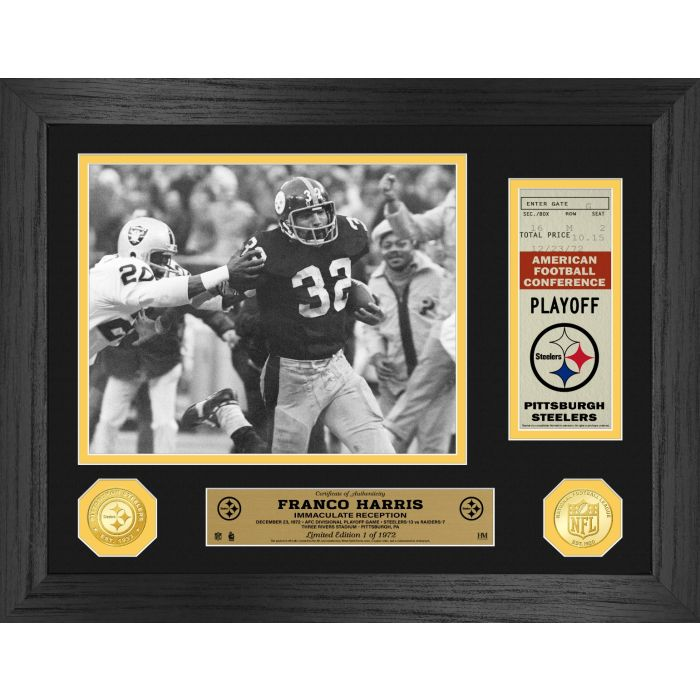
On December 23, 1972, the Pittsburgh Steelers faced the Oakland Raiders in an AFC Divisional Playoff game. With just 22 seconds remaining, Pittsburgh trailed 7–6 and faced 4th-and-10 from their own 40-yard line.
Quarterback Terry Bradshaw dropped back under intense pressure and threw a desperate pass toward the middle of the field. Raiders safety Jack Tatum delivered a crushing hit as the ball arrived. The football ricocheted backward, hovering momentarily in chaos.
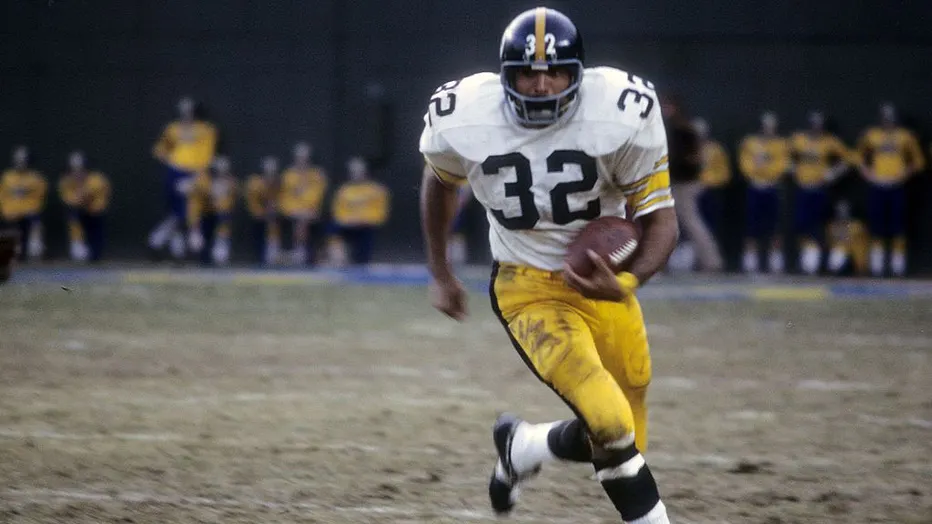
Then, running back Franco Harris scooped it inches before it hit the turf and ran it into the end zone for a touchdown.
The Steelers won 13–7.
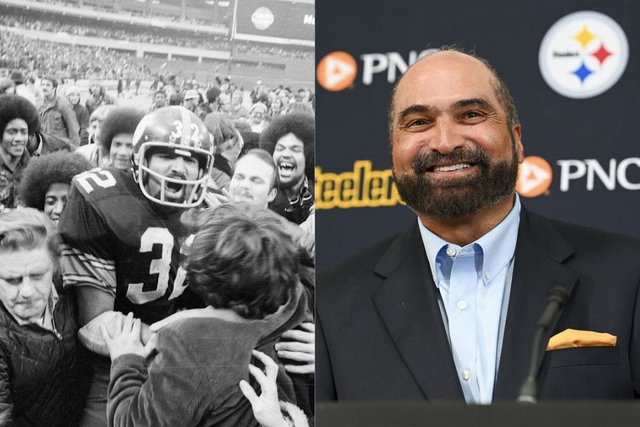
What followed was pandemonium, controversy, and a debate that still hasn’t ended.
Why Was the Play So Controversial at the Time?
Under the NFL rules in 1972, a forward pass could not be legally caught by a second offensive player if it touched the intended receiver first. If the ball had deflected off a Steelers receiver before Harris caught it, the play should have been ruled incomplete.
The problem?
- No instant replay
- No multiple camera angles
- No centralized officiating review
- No definitive visual proof
The officials ruled the catch legal.
That single decision altered the trajectory of professional football.
Why This Play Changed Football Forever (Not Just the Game)
Most iconic plays are remembered because they end games.
The Immaculate Reception is remembered because it rewrote the future.
It permanently influenced:
- NFL rule interpretations
- Replay and officiating standards
- Franchise dynasties
- Media coverage
- Fan trust and emotional investment
The ripple effects are still visible every Sunday.
How the Immaculate Reception Created the Steelers Dynasty
Before this play, the Steelers were one of the most irrelevant franchises in the league. They had never won a playoff game in their history.
After it?
- Four Super Bowl championships in six seasons
- The legendary Steel Curtain defense
- Hall of Fame players across the roster
- A global fanbase
Players later admitted the play changed how they viewed themselves—not as underdogs, but as inevitable winners.
Belief is contagious. Dynasties are born from moments like this.
Why Raiders Fans Still Call It “The Immaculate Deception”
From the Raiders’ perspective, the play was a miscarriage of justice. Many Raiders players and coaches have consistently claimed the ball touched the receiver first—making the play illegal under 1972 rules.
Hall of Fame coach John Madden repeatedly argued the call was wrong.
This unresolved controversy did something crucial for the NFL:
It taught the league that ambiguity damages trust.
That lesson shaped everything that followed.
Did the Immaculate Reception Lead to Instant Replay?
Not immediately—but it planted the seed.
The NFL realized that:
- Officials needed help
- Fans demanded transparency
- Television footage could not be ignored
Over the next decade, the league experimented with replay systems, eventually making them permanent.
Modern replay reviews, coach’s challenges, and centralized officiating all exist because moments like this exposed the league’s vulnerabilities.
Why This Wasn’t Just a Lucky Bounce
The most overlooked part of the Immaculate Reception is Franco Harris himself.
Most players stop when a collision happens.
Harris didn’t.
He:
- Read the deflection instantly
- Adjusted his body mid-stride
- Secured the ball cleanly
- Finished the play decisively
This moment became a teaching tool at every level of football:
Play until the whistle.
How This Play Changed NFL Fan Culture
Before the 1970s:
- NFL fandom was local
- Games weren’t endlessly replayed
- Controversy faded quickly
After the Immaculate Reception:
- Iconic plays became permanent cultural memory
- Fans debated history, not just outcomes
- Television highlights shaped narratives
Football evolved from a sport into a shared national drama.
The Media Revolution Sparked by One Play
The Immaculate Reception became one of the most replayed moments in sports history.
That repetition:
- Normalized slow-motion analysis
- Created anniversary programming
- Turned NFL moments into myth
Modern NFL documentaries, countdown shows, and viral clips all trace their DNA back to this era.
Quiet Rule Changes That Followed the Immaculate Reception
In the years after the play, the NFL:
- Simplified deflection rules
- Removed ambiguous language
- Prioritized visual clarity
- Designed rules fans could understand
The league learned a crucial truth:
If fans can’t explain a rule, the rule fails.
Why Players Still Study This Play Today
Coaches still reference the Immaculate Reception when teaching:
- Awareness
- Hustle
- Situational intelligence
- Mental resilience
It’s not about the catch—it’s about mindset.
Real-Life Lessons the NFL Learned From One Moment
- Chaos creates opportunity
- Belief can change franchises
- Controversy fuels engagement
- Transparency builds trust
- Iconic moments outlive seasons
These principles still guide league decisions today.
Why Americans Still Search for This Play
Search trends consistently show interest in:
- “Was the Immaculate Reception legal?”
- “What NFL play changed football forever?”
- “Why do Raiders fans hate the Immaculate Reception?”
- “What rule changed after the Immaculate Reception?”
The debate keeps the moment alive.
10 Frequently Asked Questions (Trending in the U.S.)
1. Was the Immaculate Reception actually legal?
By the officials’ ruling at the time, yes. By modern replay standards, it remains disputed.
2. Did the NFL ever admit the call was wrong?
No. The league has consistently upheld the decision.
3. Why wasn’t instant replay used?
Replay systems did not exist in the NFL in 1972.
4. Did this play directly create instant replay?
Not directly, but it heavily influenced its adoption.
5. Why is this play more famous than others?
Because it changed rules, culture, and franchise history.
6. How did it affect Franco Harris’s career?
It defined his legacy and helped secure Hall of Fame status.
7. Why do Steelers fans cherish it so deeply?
It represents the birth of their winning identity.
8. Are there monuments or exhibits for this play?
Yes, especially in Pittsburgh, where it’s celebrated annually.
9. Would this play be legal under today’s rules?
Likely not, due to clearer deflection and replay standards.
10. Why does the NFL still promote this moment?
Because mythology builds loyalty—and this is NFL mythology.
Final Thoughts: Why the Immaculate Reception Still Matters
The Immaculate Reception wasn’t perfect.
It wasn’t clear.
It wasn’t universally accepted.
It wasn’t fair to everyone.
But it was human, chaotic, and transformational.
That is why it didn’t just change a game.
It changed football forever.