One quarterback contract has quietly altered how NFL teams think about timing, trust, and long-term value. The Green Bay Packers’ extension of Jordan Love is not just about money—it’s about belief, patience, and organizational discipline. This long-form analysis explains why executives, agents, and fans across the league see this deal as a blueprint for the NFL’s next era of quarterback contracts.
Introduction: When One Contract Changes the Entire Conversation
Every NFL offseason produces its share of blockbuster quarterback contracts. The numbers grow larger, the guarantees louder, and the debates predictable. Fans argue over dollar figures, analysts compare cap hits, and social media declares winners and losers before training camp even begins.
But every once in a while, a contract lands differently.
It doesn’t explode across headlines for being the biggest.
It doesn’t reset the market overnight.
It doesn’t spark public tension between player and team.
Instead, it makes people pause.
That’s exactly what happened when the Green Bay Packers finalized a long-term deal with Jordan Love.
Across the league, front offices weren’t just looking at the final number. They were studying why it happened when it did, how it was structured, and what it signaled about the future of quarterback valuation in the NFL.
This contract is turning heads because it represents something rare in professional football: alignment.
Why This Contract Has Become a National NFL Talking Point
In the days following the announcement, search trends across the United States spiked around questions like:
- “Is Jordan Love worth his new contract?”
- “Why didn’t the Packers wait another season?”
- “Is this the smartest quarterback extension in the NFL?”
- “Will this change how teams pay young QBs?”
These aren’t casual fan questions. They reflect a deeper curiosity about process, philosophy, and risk management at the league’s most important position.
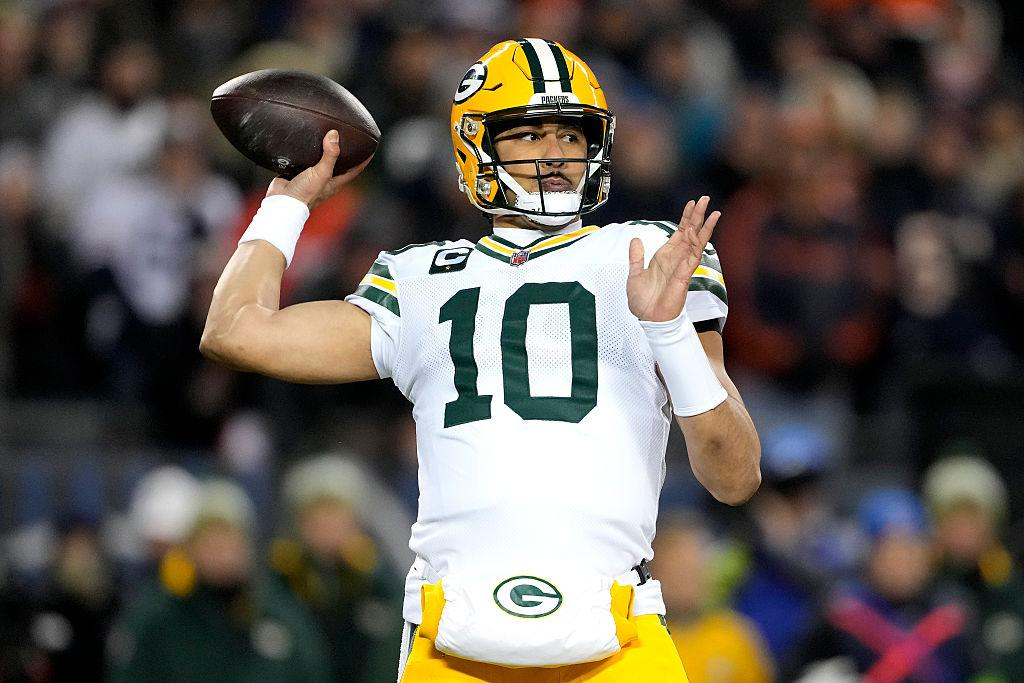
The obsession isn’t with the money alone.
It’s with the thinking behind the money.
The Historical Context: Life After Aaron Rodgers
To understand why this deal matters, you have to understand where Green Bay came from.
For nearly 20 years, the Packers were defined by Aaron Rodgers. He was not just the quarterback—he was the identity of the franchise. When Green Bay used a first-round pick on Jordan Love, the decision was met with near-universal criticism.
Fans were angry.
Media members were confused.
Former players openly questioned the logic.
But the Packers didn’t flinch.
Instead of rushing Love into the lineup, they committed to a development timeline rarely seen in the modern NFL:
- Multiple years behind a Hall of Fame quarterback
- Minimal public pressure
- Consistent coaching and system exposure
- Internal evaluation prioritized over outside opinion
By the time Love became the starter, the organization already understood his strengths, weaknesses, and growth curve. The rest of the league was still forming first impressions.
Why Jordan Love’s Contract Feels Different From Other QB Deals
At a surface level, this looks like another expensive quarterback extension in a league overflowing with them. But that view misses what makes it so influential.
Most quarterback contracts are driven by leverage and urgency. Teams wait until the last possible moment. Players wait until their value peaks. Negotiations become tense. Public narratives turn toxic.
This deal avoided all of that.
What Made This Contract Unusual
- No public standoff
- No trade rumors
- No “prove it or else” messaging
- No emergency market reset
Instead, both sides negotiated from a place of shared confidence and clarity.
That alone makes the deal rare.
Timing: The Most Underrated Part of the Contract
Perhaps the most important aspect of this contract isn’t the amount—it’s the timing.
The Packers chose to extend Love before several predictable things happened:
- A full playoff run that would inflate leverage
- A new wave of quarterback deals resetting the market
- Media pressure forcing a public deadline
By acting early, Green Bay preserved flexibility.
From a cap-management standpoint, this is enormous. Early extensions allow teams to smooth cap hits, avoid reactive decisions, and build multi-year rosters without financial panic.
This is why executives across the league are paying attention.
Real-Life Comparison: The Cost of Waiting
Around the NFL, multiple teams have chosen to “wait and see” with young quarterbacks.
The pattern is familiar:
- Player plays well
- Market inflates
- Team hesitates
- Negotiations become public
- Contract becomes more expensive
In nearly every case, waiting costs more—financially and culturally.
Green Bay chose certainty over brinkmanship.
Inside the Structure: Why Executives Love This Deal
Headlines focus on total value and guarantees. Front offices focus on structure.
Jordan Love’s contract emphasizes:
- Manageable early cap hits
- Flexibility in later seasons
- Incentives aligned with performance and team success
- Protection against catastrophic downside
This allows the Packers to build around Love without mortgaging future seasons.
It’s not just player-friendly or team-friendly—it’s reality-friendly.
How This Deal Redefines Quarterback Valuation
Traditionally, quarterbacks are paid based on résumé:
- Playoff wins
- Awards
- Statistical dominance
The Love contract reflects a shift toward trajectory-based valuation.
The Packers paid for:
- Development curve
- System mastery
- Decision-making growth
- Leadership progression
This approach has long been advocated by analytics departments but rarely executed with confidence.
Until now.
Fan Reaction: From Shock to Understanding
Initial fan reaction followed a familiar arc.
First came disbelief.
Then skepticism.
Then comparisons to other quarterbacks.
But as details emerged, the narrative changed.
Fans began to see the extension not as a gamble, but as the natural conclusion of a long-term plan that started the day Love was drafted.
Trust replaced doubt.
Why This Contract Is Turning Heads Across the League
NFL decision-makers see this deal as a challenge to three long-held assumptions:
- Quarterbacks must dominate immediately to get paid
- Waiting always protects the team
- Market-setting deals are unavoidable
Jordan Love’s contract proves none of those are universally true.
The Ripple Effect on Future QB Negotiations
Agents representing young quarterbacks have already taken notice.
This deal gives them new language in negotiations:
- Early trust
- Development investment
- Structure over spectacle
At the same time, it gives teams a precedent for acting decisively without overcommitting recklessly.
Key Strategic Elements of the Love Contract (Quick Scan)
- Early commitment instead of delayed leverage
- Structure-first negotiation approach
- Development-based valuation model
- Cap flexibility preserved
- Relationship-driven process
Each element alone is smart. Together, they’re transformative.
What Could Go Wrong—and Why the Packers Accept the Risk
No quarterback contract is immune to failure.
The risks include:
- Performance regression
- Injury uncertainty
- Scheme dependence
But the Packers mitigated these risks structurally rather than emotionally.
They didn’t wait for perfection.
They planned for variability.
That’s modern NFL thinking.
Why This Feels Like a “Next-Era” Quarterback Deal
The league is evolving.
Teams increasingly value:
- Stability over splash
- Growth over hype
- Flexibility over rigidity
Jordan Love’s contract aligns perfectly with that evolution.
It’s not about winning the offseason.
It’s about controlling the future.
Practical Takeaways for NFL Fans
When evaluating quarterback contracts, look beyond the headline number.
Ask yourself:
- When was the deal signed?
- How is the cap structured?
- What leverage existed?
- What message does the deal send internally?
Jordan Love’s extension answers all four questions convincingly.
Frequently Asked Questions (FAQ)
1. Why is Jordan Love’s contract such a big deal?
Because it prioritizes timing, structure, and trust over market pressure.
2. Is Jordan Love overpaid?
That depends on trajectory, not past accolades—which is exactly what this deal reflects.
3. Why didn’t the Packers wait another year?
Waiting would likely have increased cost and reduced roster flexibility.
4. Does this contract reset the quarterback market?
No, but it influences how future deals are structured and timed.
5. Is this risky for Green Bay?
All quarterback deals carry risk, but this one manages it intelligently.
6. How does this compare to other young QB extensions?
It’s more flexible and development-focused than most recent deals.
7. What do NFL agents think of this contract?
Many view it as a blueprint for earlier, cleaner negotiations.
8. Will other teams copy this approach?
Teams with stable coaching and ownership are likely to try.
9. What does this mean for the Packers’ future?
It signals long-term confidence and organizational alignment.
10. Could this deal look cheap in a few years?
If Love continues developing, yes—and that’s the point.

Final Thought: The Quiet Contracts Shape the League
Some quarterback contracts dominate headlines for weeks.
Others quietly reshape how the NFL thinks.
Jordan Love’s new deal belongs in the second category.
It’s not just about paying a quarterback.
It’s about trusting a process—and being brave enough to act on it.
And across the NFL, people are paying attention.