Some NFL predictions sound absurd at first glance—until data explains them. Advanced metrics, historical trends, and schedule dynamics consistently reveal why last year’s contenders regress, surprise teams rise, and Vegas projections clash with public opinion. This in-depth analysis shows how data-driven NFL predictions outperform narratives, why fans resist them, and how understanding the numbers leads to sharper expectations and better decisions.
Introduction: When “Crazy” NFL Predictions Start Making Sense
Every NFL season produces predictions that feel laughable. Analysts claim a playoff team will collapse. A last-place squad is projected to contend. A star quarterback is labeled overrated. Fans roll their eyes, social media explodes, and talk shows turn skepticism into entertainment.
Then the season unfolds—and the numbers quietly win.
The modern NFL is no longer dominated by gut instinct or reputation. It’s shaped by efficiency metrics, schedule structure, injury probability, coaching tendencies, and game-state data that most fans never see. What feels “crazy” is often just unfamiliar.
That’s why Americans are increasingly asking:
- Why do data-driven NFL predictions differ from expert opinions?
- How accurate are NFL analytics compared to traditional picks?
- Why does Vegas disagree with popular NFL takes?
- Which NFL stats actually predict wins?
This article answers those questions—showing why certain NFL predictions only look insane until you see the data behind them.
Why Fans Resist Data-Based NFL Predictions
Football fandom is emotional. Data is clinical.
Most fans build expectations using:
- Prime-time games
- Highlight plays
- Star power
- Last season’s record
Data-driven models care about:
- Play-by-play efficiency
- Down-and-distance success
- Opponent-adjusted performance
- Sustainability of results
When data contradicts emotion, emotion usually shouts louder—at least initially.
What Makes an NFL Prediction Seem “Crazy” in the First Place
Predictions feel outrageous when they challenge deeply held assumptions:
- Good teams stay good
- Bad teams stay bad
- Elite quarterbacks guarantee success
The data shows all three are unreliable over time.
Prediction Type #1: “This Playoff Team Will Miss the Playoffs”
Every season, multiple playoff teams regress. Fans call it shocking. Analysts call it unpredictable. Data calls it probable.
Why fans reject this prediction
- Strong win-loss record
- High-profile quarterback
- Confidence built from close wins
What the data reveals
- Overperformance in one-score games
- Turnover margin unlikely to repeat
- Average efficiency masked by situational luck
Teams that win many close games often regress because close-game outcomes are volatile.
Real-Life Pattern: The Illusion of Dominance
A team finishes 12–5 and earns national respect. Beneath the surface:
- Offensive efficiency ranks in the bottom half
- Defense allows high success rates
- Short fields inflate scoring
The next season, the luck fades. The team drops to 7–10. Fans call it a collapse. Data predicted it months earlier.
Prediction Type #2: “This Last-Place Team Will Compete for the Division”
Nothing angers fans faster than projecting a basement team to rise. But data often sees improvement before standings do.
Hidden drivers of rapid improvement
- Injuries concentrated in one season
- Young players gaining experience
- Coaching changes improving efficiency
- Easier upcoming schedule
Roster talent doesn’t change as fast as outcomes—but context does.
Why Schedule Strength Warps Fan Expectations
NFL schedules aren’t balanced. Teams face wildly different opponents.
Data models weigh:
- Opponent win projections
- Rest disadvantages
- Travel miles
- Short-week games
A team projected at 10 wins with an easy schedule might project closer to 7.5 with a tougher slate—even if the roster improves.
Prediction Type #3: “This Superstar Team Will Underperform”
Fans love stars. Data loves structure.
A roster full of big names can still disappoint if:
- Offensive line play declines
- Defensive efficiency regresses
- Coaching schemes lag league trends
Star power excites audiences. Efficiency wins games.
Why Quarterback Stats Often Mislead Fans
Quarterbacks matter—but not always in obvious ways.
Traditional stats like yards and touchdowns often lag behind predictive metrics such as:
- Expected Points Added (EPA)
- Success rate on early downs
- Pressure-to-sack ratio
A quarterback can look elite on TV while underlying metrics suggest average future performance.
Prediction Type #4: “This Rookie Will Outperform Veterans”
Fans distrust rookies. Data evaluates context.
Rookie success correlates strongly with:
- Scheme fit
- Offensive line stability
- Play-caller aggressiveness
- Early-down passing frequency
When conditions align, rookies can outperform veterans trapped in inefficient systems.
Why Vegas Often Supports These ‘Crazy’ Predictions
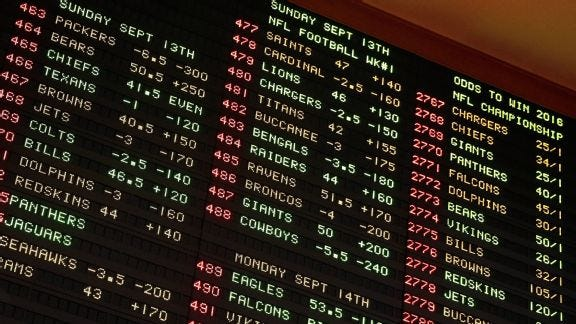
Sportsbooks don’t sell narratives—they price probability.
When win totals or futures contradict public opinion, it reflects:
- Injury-adjusted modeling
- Historical trend analysis
- Market behavior
Public outrage often highlights where data disagrees with perception.
Prediction Type #5: “This Defense Will Collapse”
Defense is far less stable year-to-year than offense.
Why?
- Defensive success depends heavily on opponent mistakes
- Turnovers fluctuate randomly
- Injuries disproportionately affect defenses
Top-five defenses frequently regress the following season—even with similar personnel.
Turnovers: The Most Overrated Indicator
Turnovers excite fans and swing games, but they’re inconsistent.
Teams that:
- Lead the league in takeaways
- Score defensive touchdowns
- Dominate turnover margin
Almost always regress. Data treats turnovers as partially random; fans treat them as repeatable skill.
Prediction Type #6: “This Team Will Start the Season Slowly”
Early-season struggles feel speculative—until data explains them.
Slow starts correlate with:
- New coaching staffs
- Rookie quarterbacks
- Rebuilt offensive lines
- Tough early schedules
September football is chaotic. Models that anticipate adjustment periods look wrong—until October.
How NFL Analytics Actually Works (Without the Jargon)
Modern NFL data prioritizes:
- Efficiency over volume
- Consistency over highlights
- Context over raw totals
Instead of asking “How many yards?”, analytics asks:
- Did the play succeed?
- Against whom?
- In what situation?
This explains why projections diverge from fan intuition.
Why Media Predictions Often Miss the Mark
Media incentives reward bold takes, not accuracy.
Narrative-driven predictions:
- Spark debate
- Generate clicks
- Fuel outrage
Data-driven predictions:
- Sound boring
- Challenge beliefs
- Age quietly—and accurately
The loudest predictions are rarely the best.
Prediction Type #7: “This Team Will Win Fewer Games Despite Improving”
Talent upgrades don’t guarantee more wins.
Why?
- Schedule difficulty shifts
- Close-game luck fades
- Chemistry takes time
A team can improve on paper and still regress in the standings.
The Emotional Barrier to Trusting Data
The hardest part of analytics isn’t understanding it—it’s accepting it.
Data forces fans to:
- Bet against favorite teams
- Question beloved players
- Admit last year’s success may be fragile
That discomfort preserves the edge.
How to Evaluate ‘Crazy’ NFL Predictions Smarter
When you see a shocking prediction, ask:
- Which assumptions does this challenge?
- What metrics support it?
- Is the backlash emotional or analytical?
Predictions don’t need to feel right to be right.
Why Data Wins Over a Full NFL Season
Short-term chaos favors narratives. Long-term outcomes favor numbers.
Over full seasons:
- Efficiency beats explosiveness
- Depth beats star power
- Stability beats hype
That’s why analytically driven teams and bettors outperform reactionary ones.
What This Means for the Future of NFL Predictions
As tracking technology and modeling improve:
- Fan narratives will diverge further from projections
- “Crazy” predictions will multiply
- Accuracy gaps will widen
The NFL isn’t more unpredictable—our intuition is outdated.
Frequently Asked Questions (Trending in the U.S.)
1. Why do NFL predictions based on data seem wrong early?
Short-term variance often hides long-term efficiency trends.
2. Are analytics-based NFL predictions more accurate than expert picks?
Over large samples, yes—especially for futures and win totals.
3. Why does Vegas disagree with public NFL opinion?
Because sportsbooks price probability, not popularity.
4. Which NFL stats actually predict wins?
Efficiency metrics outperform traditional box-score stats.
5. Why do good teams suddenly collapse?
Regression, injuries, and schedule difficulty usually explain it.
6. Can bad teams really become contenders quickly?
Yes, with health, coaching upgrades, and schedule relief.
7. Are quarterback stats overrated?
Traditional QB stats often lag behind predictive indicators.
8. Why do fans ignore efficiency metrics?
They’re less exciting and harder to visualize.
9. Should bettors trust data over gut feeling?
Over time, data consistently outperforms intuition.
10. Will NFL predictions ever stop sounding crazy?
Only when fans accept numbers over narratives.
Final Thoughts: When the Data Stops Being Shocking
NFL predictions don’t look crazy because they’re wrong. They look crazy because they challenge stories fans want to believe.
The data doesn’t care about reputations or emotions. It cares about probability, efficiency, and sustainability. Once you understand that, shocking predictions stop feeling outrageous—and start feeling inevitable.