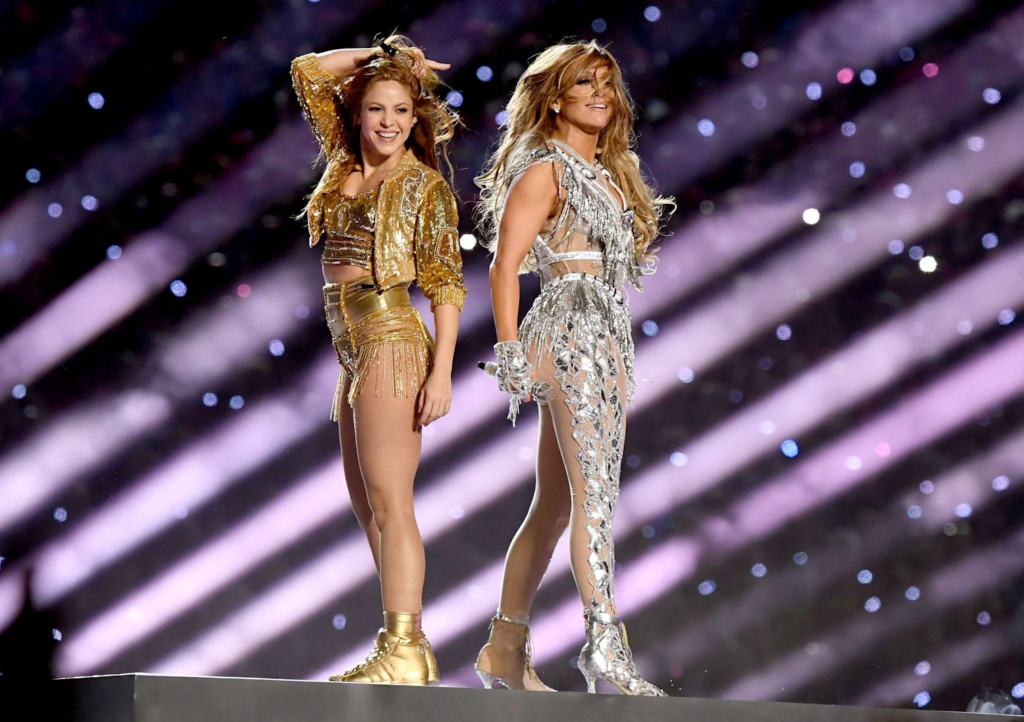
The Super Bowl is far more than a football championship—it is a meticulously engineered media, financial, and cultural machine. From officiating controversies and billion-dollar advertising strategies to player health risks and corporate power dynamics, this in-depth exposé reveals the lesser-known truths behind America’s biggest sporting event and why fans increasingly question what they’re really watching.
Introduction: Why the Super Bowl Inspires Both Awe and Suspicion
Every year, more than 110 million Americans gather around screens for one shared experience: the Super Bowl. Families plan parties weeks in advance. Advertisers stake entire annual strategies on 30 seconds of airtime. Cities spend years—and millions—preparing to host a single game.
Yet alongside the celebration, skepticism has grown.
Search trends show Americans increasingly asking:
- Is the Super Bowl rigged?
- Why do the same teams keep winning?
- How much money does the NFL really make?
- Are referees truly impartial?
These questions aren’t coming from fringe corners of the internet. They’re coming from everyday fans who love football but sense that something bigger is happening behind the scenes.
To understand the Super Bowl today, you must understand the modern National Football League—not just as a sports organization, but as one of the most powerful entertainment businesses in the world.
Is the Super Bowl Really Just a Game?
On the surface, the Super Bowl determines the NFL champion. Beneath that surface, it functions as a corporate mega-event involving broadcasters, advertisers, sponsors, city governments, and global brands.
The event officially known as the Super Bowl generates billions in direct and indirect revenue every year. Television networks pay enormous rights fees. Sponsors activate global campaigns. Streaming platforms fight for digital access.
For fans, this creates a strange dual reality:
- You’re watching a football game
- You’re also participating in one of the largest marketing events on Earth
This tension explains why the Super Bowl feels different from any other sporting event—and why questions about transparency continue to grow.
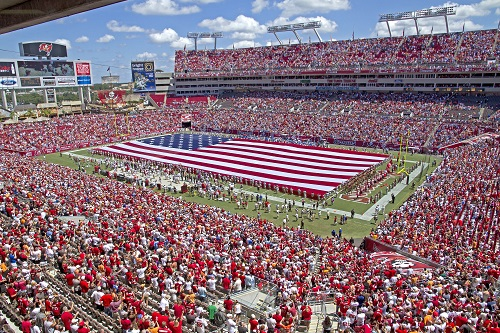
How Much Money Does the NFL Really Make From the Super Bowl?
The NFL does not publish a single, neat “Super Bowl profit” number. Instead, revenue flows through multiple channels:
Direct revenue sources include:
- Broadcast rights
- Sponsorship agreements
- Licensing and merchandise
- International media deals
Indirect revenue sources include:
- Increased season-long viewership
- Brand valuation growth
- Streaming subscriptions
- Gambling partnerships
Industry analysts estimate that the Super Bowl drives several billion dollars annually in total economic impact for the league—far beyond the ad revenue fans usually hear about.
Why Host Cities Rarely Win Financially
Cities compete fiercely to host the Super Bowl, often promising:
- Tax exemptions
- Publicly funded security
- Infrastructure upgrades
While projected economic impacts often exceed $400–$500 million, post-event audits frequently show much lower net gains. The NFL, meanwhile, assumes little financial risk while maintaining control over branding, ticket distribution, and sponsorships.
This imbalance is rarely discussed during broadcasts—but it’s well known among city planners.
Is the Super Bowl Rigged? Understanding the Truth Behind the Rumors
No credible evidence proves the NFL scripts Super Bowl outcomes. However, that doesn’t mean games are immune to influence.
What the League Admits
- Referees are human
- Rules are interpreted, not automated
- “Points of emphasis” change yearly
What Fans Experience
- Subjective penalties in critical moments
- Inconsistent enforcement of pass interference
- Roughing-the-passer calls that swing momentum
A single call can shift win probability by double digits. When that happens on the league’s biggest stage, suspicion is inevitable—even if manipulation isn’t proven.
The issue isn’t scripting. It’s opacity.
Why Certain Teams Dominate Super Bowl Appearances
Fans often notice that the same franchises seem to appear repeatedly. This isn’t favoritism—it’s structure.
Take the New England Patriots dynasty:
- Long-term coaching stability
- Quarterback development
- Advanced situational analytics
- Ruthless salary-cap efficiency
More recently, the Kansas City Chiefs have benefited from:
- Innovative offensive schemes
- Early adoption of quarterback mobility
- Aggressive play-calling philosophy
The NFL’s parity system limits spending advantages, but it cannot eliminate organizational excellence.
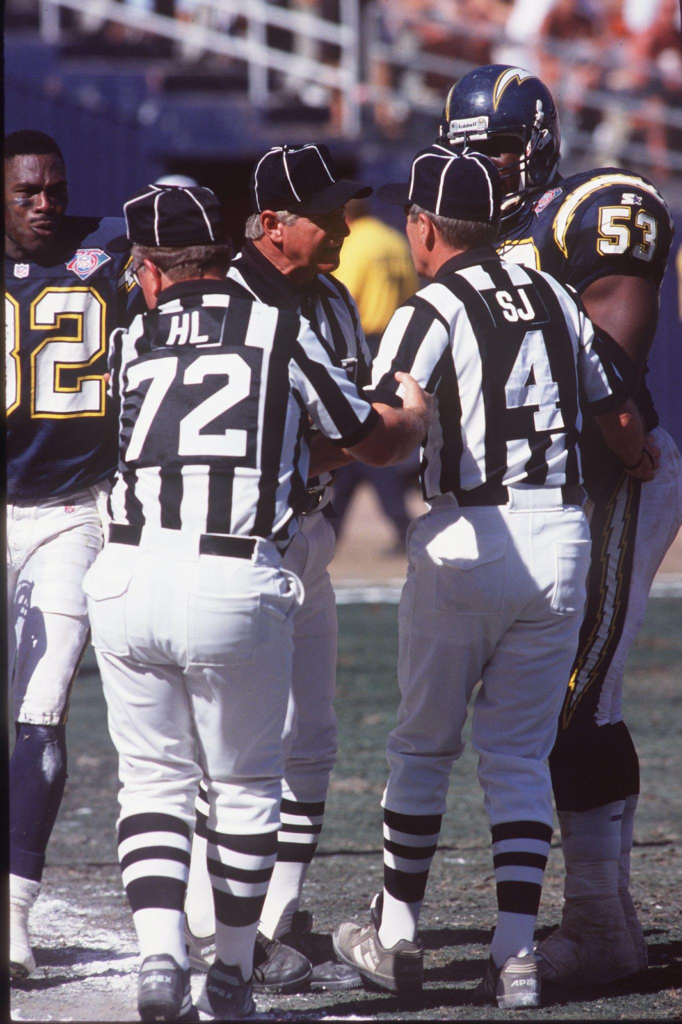
Officiating: The NFL’s Most Sensitive Topic
Officiating is the league’s greatest vulnerability.
Referees are not full-time employees. Many work other jobs during the season. While they are highly trained, they are also:
- Subject to human bias
- Influenced by crowd noise
- Required to interpret vague rules
The NFL rarely disciplines referees publicly, choosing instead to manage controversy quietly. This fuels the belief that accountability is lacking—especially during Super Bowls, when every call is magnified.
The Super Bowl Halftime Show: Image Control Disguised as Entertainment
The halftime show attracts more viewers than the game itself. Yet few fans realize:
- Performers are not paid
- Artists cover much of the production cost
- The NFL maintains final creative approval
Why would megastars agree?
Because the exposure is unparalleled. Streaming numbers spike instantly. Tour ticket sales surge. Artists rebrand themselves for new audiences.
From the league’s perspective, halftime shows serve another purpose:
- Maintaining cultural relevance
- Appealing to younger demographics
- Steering public conversation away from controversy
It’s entertainment—but it’s also strategic messaging.
The Psychology Behind Super Bowl Commercials
Super Bowl ads are not designed to sell products immediately. They are designed to:
- Create emotional memory
- Build long-term brand trust
- Dominate social media conversation
Research shows emotionally charged ads are remembered up to 40% longer than informational ones. That’s why humor, nostalgia, and sentimentality dominate Super Bowl advertising.
In essence, these commercials are behavioral science experiments disguised as entertainment.
Player Health: The Conversation the NFL Manages Carefully
Player safety has improved, but the risks remain severe.
Despite concussion protocols and rule changes:
- Careers average under four years
- Long-term neurological issues persist
- Contracts are rarely fully guaranteed
The league has paid more than $1 billion in concussion-related settlements, yet the Super Bowl still demands maximum physical output on the shortest recovery timelines of the season.
Players rarely speak openly—not because they don’t care, but because job security in the NFL is fragile.
Why Super Bowl Tickets Are Almost Impossible to Afford
Most fans never have a fair shot at Super Bowl tickets.
The majority are allocated to:
- Corporate sponsors
- Media partners
- League executives
- Team allotments
Public sales represent a tiny fraction of total tickets. This artificial scarcity drives resale prices well above $6,000—even before travel and lodging.
The exclusivity is intentional.
Sports Betting and the New Era of Suspicion
Legalized sports betting has transformed how fans watch the Super Bowl.
Positive effects include:
- Higher engagement
- Increased viewership
- More data-driven analysis
But it also brings:
- Greater scrutiny of officiating
- Heightened emotional reactions
- Persistent suspicion during close games
The NFL officially distances itself from betting influence—while simultaneously partnering with sportsbooks. This contradiction fuels mistrust, even without evidence of wrongdoing.
Why the Super Bowl Will Never Lose Its Power
Despite criticism, the Super Bowl remains untouchable because it offers:
- A shared national ritual
- Cultural relevance beyond sports
- Emotional storytelling at scale
Even people who dislike football tune in for commercials, halftime, or social participation. The Super Bowl isn’t just watched—it’s experienced collectively.
Key Takeaways for Fans
- The Super Bowl is both sport and business
- Transparency exists—but selectively
- Officiating inconsistency is real, not imagined
- Player sacrifice underpins the spectacle
- Understanding the system deepens appreciation
Loving football doesn’t require blind faith. Informed fandom is stronger fandom.
Top 10 FAQs: What Americans Are Asking About the Super Bowl
1. Is the Super Bowl scripted by the NFL?
No credible evidence supports scripting. However, subjective officiating can influence outcomes.
2. How much money does the NFL make from the Super Bowl?
Billions annually when advertising, licensing, and long-term brand value are included.
3. Do referees favor certain teams?
There’s no proof of favoritism, but inconsistency remains a valid concern.
4. Why do the same teams keep appearing in Super Bowls?
Organizational excellence, elite quarterbacks, and coaching continuity.
5. Do halftime performers get paid?
No. They perform for exposure, not a performance fee.
6. Why are Super Bowl tickets so expensive?
Limited public supply and heavy corporate allocation.
7. Is player safety improving in the NFL?
Yes, but long-term health risks still exist.
8. Does sports betting affect Super Bowl integrity?
It increases scrutiny, not proven manipulation.
9. Why are Super Bowl commercials so emotional?
Emotion increases memory, brand trust, and social sharing.
10. Will the Super Bowl ever decline in popularity?
Highly unlikely due to its cultural entrenchment.