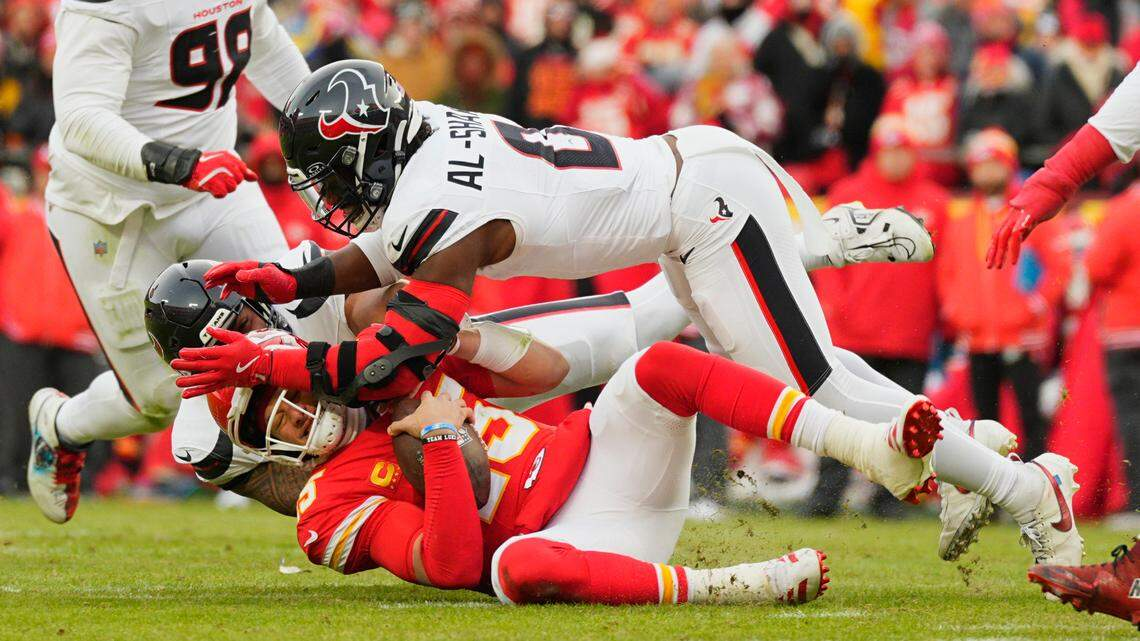
Across the United States, NFL fans are increasingly questioning the integrity of this season, citing inconsistent officiating, controversial replay decisions, and the growing visibility of legalized sports betting. While no evidence proves games are fixed, repeated high-impact calls, lack of transparency, and perception of narrative-driven outcomes have created a crisis of trust that the league can no longer ignore.
Introduction: Why “Rigged” Is No Longer a Fringe Complaint
Every NFL season includes controversy. Bad calls happen. Teams lose games they feel they should have won. Fans complain, sports radio explodes, and then the league moves on. That cycle has existed for decades.
What makes this season different is not the presence of controversy—it’s the scale, intensity, and persistence of it.
The word “rigged” has crossed a psychological threshold. It’s no longer limited to angry postgame rants or rival fanbases trolling each other online. It has become a recurring, serious accusation voiced by longtime fans, former players, analysts, and even casual viewers who once trusted the product without question.
Across social media, search engines, and sports forums, Americans are asking the same unsettling question:
Is the NFL still a fair competition—or has something fundamental changed?
This article explores why so many fans believe this NFL season feels “rigged,” what’s actually happening behind the scenes, and why perception alone may be enough to damage the league if trust is not restored.
What Fans Actually Mean When They Say the NFL Is “Rigged”
Most fans are not claiming that players are intentionally throwing games or that outcomes are scripted like professional wrestling. The modern accusation is more nuanced—and more dangerous.
When fans say the season feels rigged, they usually mean:
- Games feel manipulated at key moments
- Rules appear to be applied selectively
- Outcomes benefit league narratives
- Transparency is intentionally limited
- Critical calls consistently favor certain teams or stars
In other words, fans don’t feel the playing field is level.
That belief—whether true or not—cuts directly against the core promise of the National Football League: that every snap is earned, not influenced.
Officiating Inconsistency: The Biggest Fuel for Fan Distrust
Why Referees Are Under More Scrutiny Than Ever
Officiating has always been difficult. NFL rules are complex, plays happen at full speed, and officials must make judgment calls in real time. Fans understand that mistakes are inevitable.
What they don’t understand is why similar plays result in completely different outcomes depending on:
- The quarterback involved
- The score and time remaining
- Whether the game is nationally televised
This season, frustration has peaked around subjective penalties—especially those that extend drives or flip field position late in games.
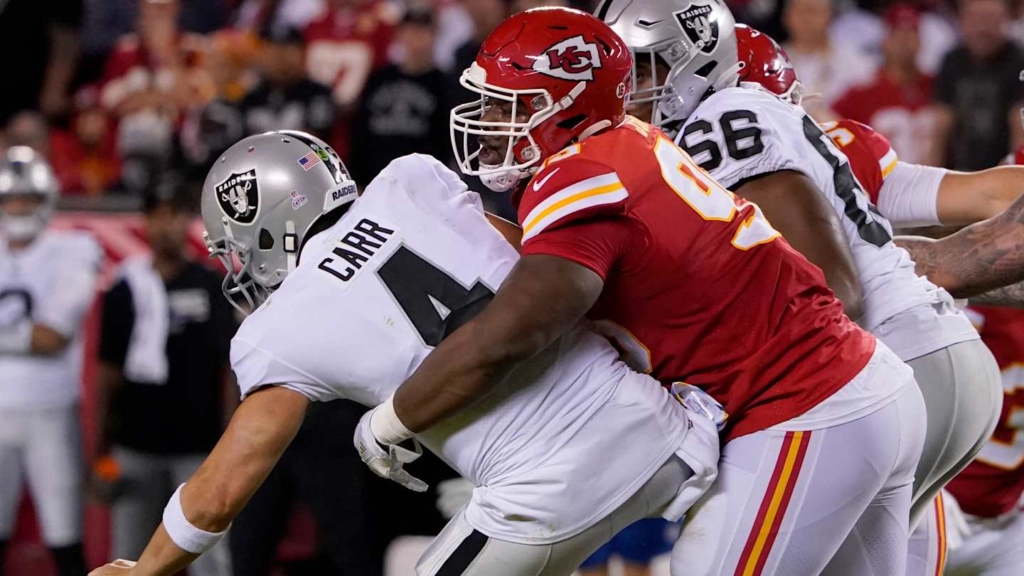
Roughing the Passer: A Rule Fans Believe Has Gone Too Far
No rule better represents modern NFL outrage than roughing the passer.
Fans point to repeated scenarios where:
- Minimal contact draws a flag on a star quarterback
- A harder hit on a lesser-known player goes unpunished
- The same technique is legal one week and illegal the next
Because these penalties often result in automatic first downs, they are seen as game-altering rather than corrective.
The perception isn’t that referees are malicious—it’s that the system prioritizes protecting narratives over competitive balance.
Replay Review: Designed for Clarity, Delivering Confusion
Instant replay was introduced to eliminate egregious errors. Instead, it has become one of the most criticized aspects of the modern game.
The “Clear and Obvious” Problem
Replay reviews hinge on a deceptively vague phrase: clear and obvious evidence.
Fans regularly see:
- A catch overturned in one game but upheld in another
- A fumble reversed despite inconclusive angles
- A touchdown standing even when slow-motion appears to contradict it
The issue isn’t that replay exists—it’s that fans cannot predict outcomes based on precedent.
When rules appear flexible, trust collapses.
Sports Betting Visibility: The Trust Multiplier Nobody Planned For
Legalized Betting Changed How Fans Interpret Games
Sports betting did not create controversy in the NFL—but it dramatically amplified suspicion.
Today’s broadcasts openly display:
- Point spreads and totals
- Live betting odds
- Sponsored betting segments
For fans, that creates a cognitive conflict. When a late penalty flips the spread or pushes a game over the total, even a legitimate call can feel financially motivated.
There is no evidence that betting companies influence officiating. However, perception does not require proof—only repetition.
Why Primetime Games Feel Different to Fans
A recurring complaint this season is that nationally televised games feel officiated differently.
Fans believe:
- Flags appear more frequently in close primetime games
- Star players receive additional protection
- Outcomes align with future broadcast value
When controversial calls repeatedly benefit high-profile teams, fans connect the dots—even if those dots don’t form a provable pattern.
In an era of constant media narratives, fans assume the league wants maximum drama and marketability, not just fairness.
Social Media’s Role in Amplifying the “Rigged” Narrative
Viral Clips Replace Full Context
Social platforms reward outrage, not nuance.
A single slow-motion clip of a missed call can reach millions of viewers within minutes—often stripped of:
- Rule explanations
- Alternate camera angles
- Game context
Once fans emotionally commit to the belief that something is wrong, confirmation bias takes over. Every future call becomes evidence, while contradictory examples are ignored.
This feedback loop turns isolated mistakes into perceived systemic failure.
Is There Real Evidence the NFL Is Rigged?
This is the most important question—and the answer matters.
There is no verified evidence that the NFL fixes games.
- No whistleblowers have provided proof
- No statistical analysis confirms systemic bias
- No credible investigations support the claim
What does exist is something just as damaging: erosion of trust.
Fans don’t need proof to disengage. They need confidence—and right now, confidence is fragile.
The Psychological Side of Fan Distrust
Sports are emotional by design. Fans invest identity, money, time, and pride into their teams.
When outcomes feel unjust, blaming officiating serves a psychological purpose:
- It protects loyalty
- It preserves belief in player effort
- It reduces cognitive dissonance
This doesn’t make fans irrational. It makes them human.
The danger arises when too many fans reach the same conclusion independently.
Why This Season Became the Breaking Point
Several forces converged at once:
- More subjective rules than ever
- Increased betting integration
- More nationally televised games
- Higher stakes on fewer plays
Individually, none of these break the league. Together, they create the perfect storm for skepticism.
What the NFL Could Do to Restore Trust
Fans are not demanding perfection. They are demanding accountability.
Common suggestions include:
- Full-time referees
- Public explanations for major calls
- Referee press conferences
- Transparent replay criteria
- Reduced betting emphasis during broadcasts
None of these admit wrongdoing. They acknowledge responsibility.
Why Perception Matters More Than Reality
A league doesn’t lose credibility when it makes mistakes.
It loses credibility when fans believe those mistakes are hidden, justified, or ignored.
Trust, once lost, is expensive to rebuild.
Final Verdict: Not Rigged, But Not Trusted Enough
The NFL does not appear to be rigged.
But it does face a legitimacy problem.
If the league continues to rely on silence and internal processes, fan skepticism will grow—not shrink. In modern sports, transparency is no longer optional. It is the cost of credibility.
Frequently Asked Questions (10 SEO-Optimized FAQs)
1. Is the NFL actually rigged?
No verified evidence supports the claim that the NFL is rigged, but perception issues remain significant.
2. Why do fans think this NFL season feels different?
Increased officiating controversy, betting visibility, and social media amplification have intensified distrust.
3. Do referees favor certain teams?
There is no statistical proof of favoritism, but inconsistency fuels the belief.
4. Does sports betting influence NFL outcomes?
No evidence proves influence, but its visibility increases suspicion.
5. Why are roughing-the-passer calls so controversial?
They are subjective, inconsistent, and often game-altering.
6. Has replay review made officiating worse?
Replay improved accuracy but reduced trust due to inconsistent standards.
7. Do referees face consequences for bad calls?
Yes, internally—but fans rarely see accountability.
8. Are primetime games officiated differently?
Fans perceive they are, especially in close, high-profile matchups.
9. Has any major sports league been proven rigged before?
Yes, historically in other sports—fueling modern skepticism.
10. What can the NFL do to rebuild trust?
Transparency, consistency, and public accountability are key.