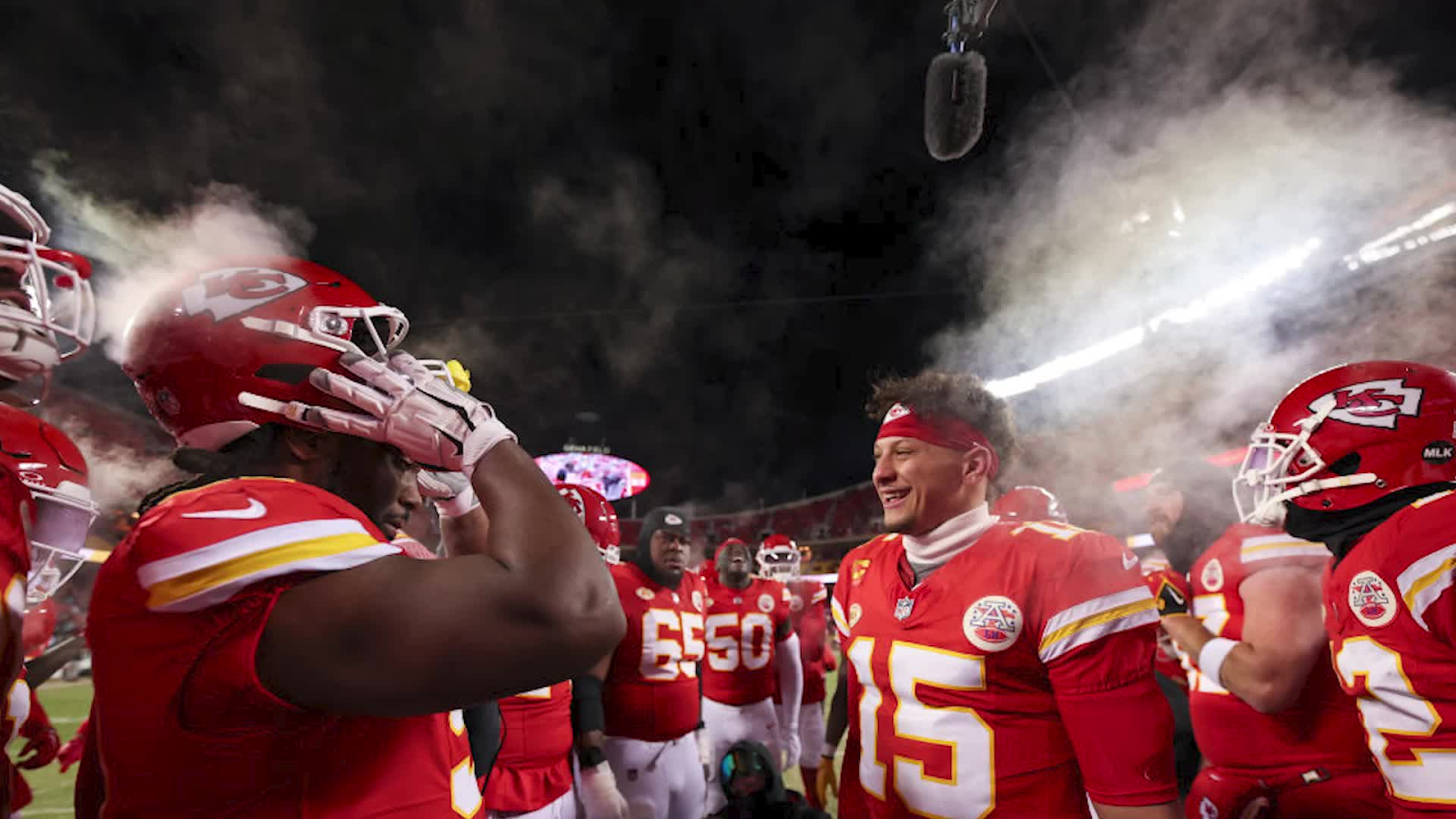
Late in the NFL season, games are rarely decided by star power alone. Injuries, fatigue, weather, motivation, depth, and coaching philosophy quietly shape outcomes from December through the playoffs. This in-depth analysis explores the late-season trends that consistently determine NFL games, explains why casual fans misread them, and reveals how experienced observers spot patterns that matter most when stakes are highest.
Why Late-Season NFL Football Is a Completely Different Game
By the time the NFL reaches December, the league no longer resembles what fans watched in September. Early-season football is optimistic, experimental, and energetic. Late-season football is survival-based, calculated, and unforgiving.
Players are no longer fresh. Coaches are no longer experimenting. Front offices are no longer pretending every goal is still possible. The physical toll of the season has accumulated, emotional pressure has intensified, and the margin for error has shrunk dramatically.
This is why late-season NFL games often confuse casual fans. Upsets increase. Scoring drops. Ugly wins become common. Teams that looked unstoppable in October suddenly struggle, while “boring” teams quietly stack wins.
None of this is random. These outcomes follow patterns that repeat every single year.
What Are Late-Season NFL Trends and Why Do They Repeat?
Late-season trends are recurring patterns that emerge during Weeks 13–18 and the postseason due to cumulative physical wear, strategic urgency, and environmental factors. They are not short-term narratives or media storylines. They are structural realities of professional football.
These trends repeat because:
- Human bodies fatigue the same way every season
- Weather affects performance predictably
- Coaching incentives change under pressure
- Roster depth is tested annually
- Motivation becomes uneven across teams
While players and teams change, these forces do not.
Why Late-Season Games Feel Chaotic but Aren’t
To casual fans, December football looks unpredictable. Underdogs win. Offenses stall. Elite quarterbacks have mediocre games. But beneath the surface, the chaos has logic.
Late-season NFL games are shaped by:
- Fewer healthy starters
- Lower scoring environments
- Conservative coaching decisions
- Tighter margins
- Situational football dominance
When you understand these forces, late-season results stop being shocking and start being explainable.
Trend #1: Line of Scrimmage Dominance Decides More Games
If there is one trend that never fails late in the NFL season, it is this:
teams that control the line of scrimmage win more often.
Speed and creativity matter early in the season. Strength, technique, and stamina matter late.
As fatigue sets in:
- Pass rushers win faster
- Protection breakdowns increase
- Running lanes matter more
- Blitzing becomes riskier
Teams that can generate pressure without blitzing and run the ball without perfect blocking gain enormous advantages.
Real-Life Example
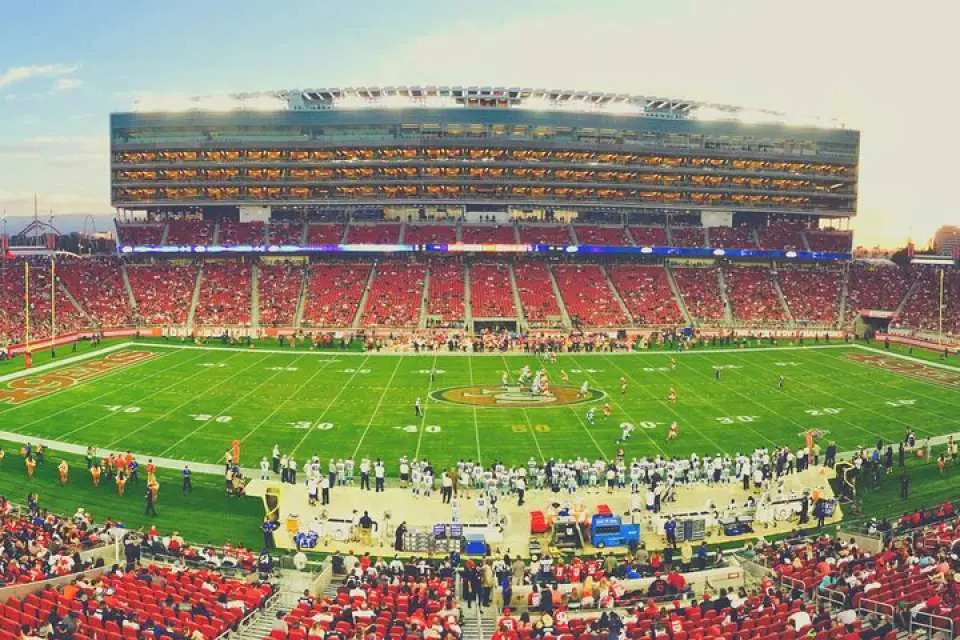
The San Francisco 49ers consistently perform well late in the season because their offensive and defensive lines allow them to impose physical control even when skill players are injured or limited.
Trend #2: Depth Quietly Becomes More Valuable Than Star Power
By December, every NFL team is injured. The difference is how those injuries are absorbed.
Top-heavy teams built around a handful of stars often fade late. Teams built with functional depth stabilize.
Late in the season:
- Backup offensive linemen start games
- Third-string cornerbacks play extended snaps
- Rotational defenders become full-time contributors
Depth determines whether a team collapses or adapts.
This is why front offices emphasize roster construction beyond the starting lineup—and why that philosophy pays dividends late.
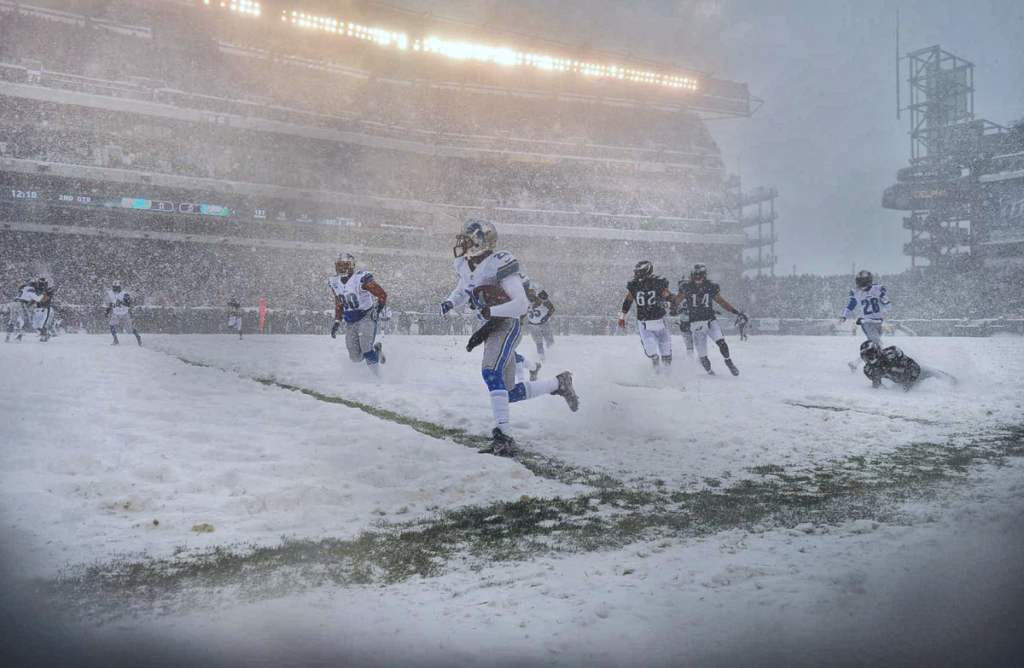
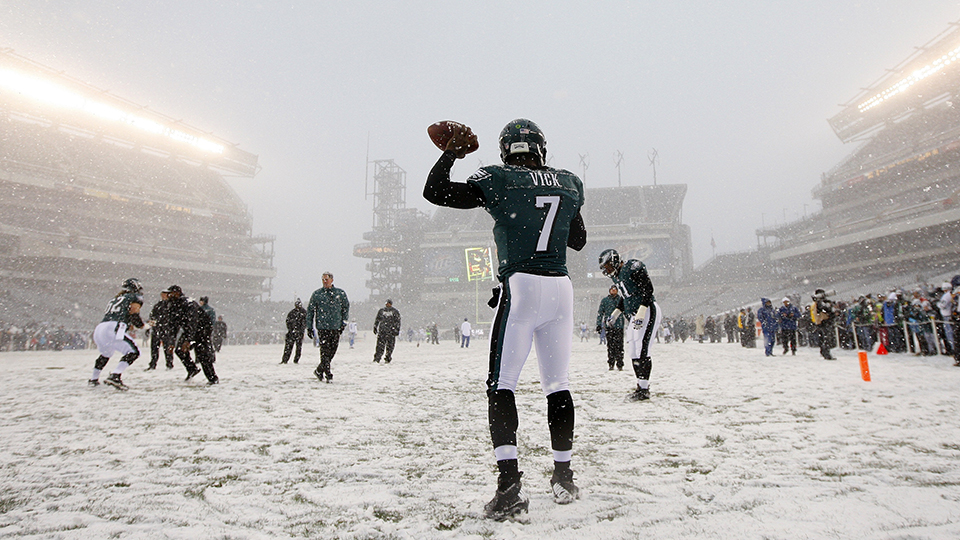
Trend #3: Cold Weather Compresses the Game
Cold weather doesn’t just make games uncomfortable. It fundamentally alters football.
As temperatures drop:
- Ball grip worsens
- Route timing slows
- Passing velocity decreases
- Cutting ability declines
- Defensive pursuit angles tighten
Explosive offenses lose efficiency. Physical teams gain leverage.
Historical Reality
Cold-weather home teams in December and January consistently outperform warm-weather or dome teams, especially when opponents rely heavily on timing-based passing attacks.
This advantage isn’t psychological. It’s biological and mechanical.
Trend #4: Coaching Conservatism Increases Dramatically
Early in the season, coaches test ideas. Late in the season, coaches protect outcomes.
Risk tolerance drops sharply as playoff implications rise.
Late-season play-calling typically features:
- Fewer fourth-down gambles
- More conservative red-zone decisions
- Increased rushing on early downs
- Reduced trick plays
This favors teams that can win methodically rather than explosively.
Trend #5: Motivation Gaps Become Game-Defining
Not all teams want the same things in December.
Some teams are:
- Fighting for playoff spots
- Chasing division titles
- Protecting postseason seeding
Others are:
- Eliminated from contention
- Evaluating young talent
- Managing injuries
- Quietly transitioning to offseason priorities
Effort gaps appear most clearly in:
- Blocking consistency
- Tackling intensity
- Late-game execution
- Special teams play
Motivation does not guarantee victory—but lack of motivation almost guarantees vulnerability.
Trend #6: Veteran Quarterbacks Gain a Meaningful Edge
Late-season football rewards experience.
Veteran quarterbacks:
- Adjust protections faster
- Manage weather conditions better
- Make fewer catastrophic mistakes
- Understand clock and score math intuitively
Younger quarterbacks often struggle with:
- Blitz recognition
- Cold-weather ball security
- Crowd noise in playoff atmospheres
This doesn’t mean young quarterbacks can’t win—it means the margin for error narrows significantly.
Trend #7: Turnovers Matter More Even If They Happen Less
Late-season games often feature fewer total turnovers, but each one carries greater impact.
Lower scoring environments mean:
- Fewer possessions
- Fewer comeback opportunities
- Less margin for recovery
A single interception or fumble can swing win probability dramatically.
Teams that protect the football gain disproportionate late-season advantages.
Trend #8: Special Teams Decide Games Quietly
Special teams rarely dominate headlines, but they dominate December outcomes.
Cold weather affects:
- Kicking accuracy
- Snap consistency
- Return footing
- Coverage discipline
Fatigue increases breakdowns. Field position becomes precious.
One blocked kick or long return can determine the outcome of a game where offenses struggle to move the ball.
Trend #9: Divisional Familiarity Reduces Variance
Late-season divisional games are often ugly—and close.
By December:
- Defensive tendencies are known
- Offensive wrinkles are limited
- Coaching adjustments are precise
Explosive plays decline. Execution matters more.
Divisional games late in the season often come down to:
- One missed tackle
- One coverage bust
- One special teams error
This is why divisional matchups produce some of the tightest finishes of the year.
Trend #10: Playoff-Bound Teams Change How They Win
One of the most misunderstood late-season trends is how good teams stop chasing style points.
Playoff-caliber teams:
- Simplify playbooks
- Protect key players
- Hide schematic wrinkles
- Prioritize health over dominance
A 20–13 win in December is often more valuable than a 38–35 shootout.
Casual fans misinterpret this as regression. In reality, it’s preparation.
Why Casual Fans Consistently Misread Late-Season NFL Games
Most fans rely on:
- Season-long statistics
- Fantasy football output
- Early-season impressions
- Highlight-driven narratives
Late-season football punishes this approach.
Common Fan Misinterpretations
- “They’re slumping” (often fatigue or weather)
- “They’re overrated” (often matchup-driven)
- “They lost to a bad team” (often motivation gap)
Without context, December results feel confusing. With context, they are logical.
How Smart Observers Identify Late-Season Edges
Experienced analysts shift priorities late in the season.
They focus on:
- Injury accumulation, not just reports
- Weather forecasts and field conditions
- Offensive line continuity
- Defensive depth usage
- Coaching behavior under pressure
These factors rarely appear in box scores—but they decide outcomes.
Late-Season NFL Myths That Refuse to Die
Myth 1: Momentum always carries over
Reality: Health and matchups matter more than streaks.
Myth 2: Cold-weather teams always win
Reality: Only teams built for physical football benefit consistently.
Myth 3: Playoff teams dominate late
Reality: They often win narrowly and strategically.
Practical Takeaways for Fans and Analysts
- December football rewards physicality
- Depth beats star power
- Weather compresses scoring
- Coaching becomes conservative
- Motivation gaps widen results
Understanding these truths transforms how you watch late-season NFL games.
Frequently Asked Questions (FAQ)
1. Why do NFL games look uglier late in the season?
Fatigue, injuries, weather, and conservative play-calling reduce explosiveness.
2. Do cold-weather teams really have an advantage?
Yes, especially against warm-weather or dome teams unaccustomed to conditions.
3. Why do underdogs win more late in the season?
Motivation gaps, compressed scoring, and familiarity increase variance.
4. Are late-season NFL trends reliable every year?
Yes. While rosters change, human and environmental factors remain constant.
5. Why does passing efficiency drop in December?
Cold temperatures and wind affect grip, timing, and accuracy.
6. How important is offensive line play late in the season?
Extremely important—trench control often decides close games.
7. Do veteran quarterbacks perform better late?
Generally yes, due to experience managing pressure and conditions.
8. Why do coaches become more conservative late?
Mistakes become season-ending, so risk tolerance drops.
9. Are divisional games tougher late in the season?
Yes, because familiarity reduces surprise and increases close finishes.
10. What’s the biggest mistake fans make analyzing late-season NFL games?
Ignoring context and relying on early-season assumptions.
Final Thought
Late-season NFL football is not about flash—it’s about endurance, discipline, and decision-making under pressure. Teams that survive December do so by design, not luck. Once you understand the trends that govern this phase of the season, NFL games stop feeling unpredictable and start revealing their hidden structure.